

UK shipping’s fuel crisis: Who holds the key to zero-emission fleets?
New coalition demands government action to scale alternative fuels and port infrastructure by 2026
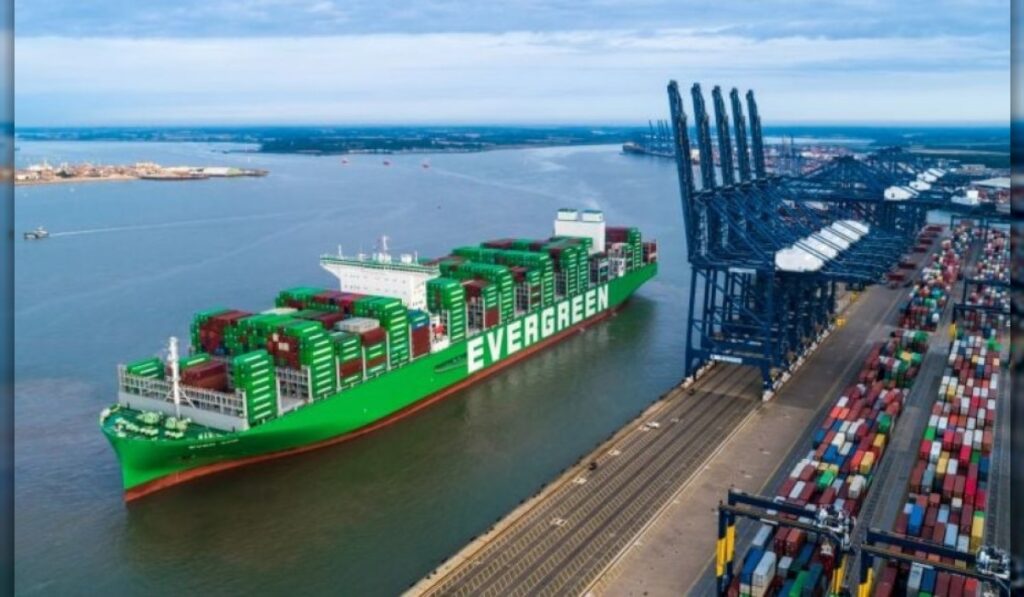
The UK’s maritime sector has formed a powerful coalition to break the deadlock on alternative fuels, demanding government action to ensure cleaner energy is available at scale for ships and ports. The UK Alternative Maritime Fuels Coalition, launched on 8 September, brings together shipowners, fuel suppliers, and technology developers to push for infrastructure and policy reforms critical to achieving net-zero emissions.
The coalition’s formation comes as the UK government prepares to consult on domestic maritime fuel regulations, a pivotal moment for the industry’s decarbonisation efforts.
This approach acknowledges the complexity of the transition, where no single solution, whether hydrogen, ammonia, methanol, or LNG, has emerged as the clear frontrunner.
Natural Gas
“Access to alternative fuels is one of the defining challenges for the future of UK shipping,” said Rhett Hatcher, chief executive of the UK Chamber of Shipping.
The coalition’s demands extend beyond fuel production. It calls for robust certification standards to ensure the quality and safety of alternative fuels, as well as investments in port infrastructure to support refuelling and storage. Onboard systems, such as engines and fuel tanks designed for new energy sources, are also part of the equation. Without these elements, the transition to cleaner fuels will remain stalled, regardless of policy commitments.
A key pillar of the coalition’s agenda is securing funding for decarbonisation through the UK Emissions Trading Scheme (ETS). The ETS, which includes maritime emissions, generates revenue by requiring companies to purchase allowances for their carbon output.
“The transition depends on lower-emissions fuels being available at scale, in the places ships need them,” said Andy Harmer, executive director of CLIA UK and Ireland.
The coalition’s work will not end with the government’s consultation. It plans to meet regularly, with the UK Chamber of Shipping and CLIA acting as joint facilitators, to monitor progress and advocate for further reforms. The coalition’s members, which also include the Anaerobic Digestion & Bioresources Association and the Carbon Capture and Storage Association, bring diverse expertise to the table, from renewable fuel production to carbon capture technologies.
For the UK’s ports and shipping industry, the stakes are high. International Maritime Organization (IMO) has set a target to reduce greenhouse gas emissions from shipping by at least 50% by 2050, compared to 2008 levels. The UK, as a major maritime hub, must align its policies with these global goals while ensuring its domestic industry remains competitive. The coalition’s efforts could determine whether the UK leads or lags in the transition to a zero-emission maritime future.
Looking ahead, the coalition’s success will depend on its ability to influence policy and mobilise investment. The forthcoming government consultation on maritime fuel regulation will be a critical test, offering an opportunity to shape the rules governing fuel production, certification, and infrastructure. If the coalition’s demands are met, the UK could see a surge in alternative fuel projects, from hydrogen production plants to ammonia bunkering facilities at major ports like Southampton and Felixstowe.
For industry stakeholders, the message is clear: the time for action is now. Shipowners must prepare for a future where traditional fuels are phased out, while fuel suppliers and technology developers must scale up production and innovation. Ports, too, will need to adapt, investing in infrastructure to support new fuel types and onboard systems. The coalition’s formation marks a significant step forward, but the road to decarbonisation remains long and complex.
“Access to alternative fuels is one of the defining challenges for the future of UK shipping.”
Rhett Hatcher·chief executive, UK Chamber of Shipping
“The transition depends on lower-emissions fuels being available at scale, in the places ships need them.”
Andy Harmer·Executive Director, CLIA UK and Ireland
The UK Alternative Maritime Fuels Coalition’s next steps will be closely watched by the global maritime community. As other nations grapple with similar challenges, the UK’s approach could serve as a blueprint for how to navigate the transition to zero-emission shipping. For now, the coalition’s members are focused on ensuring that the UK’s domestic policies align with its climate ambitions, setting the stage for a cleaner, more sustainable maritime sector.


Sign up free to ask CAMAL AI for a summary, the key points or anything else about this story.
Related stories
CAMAL AI
 Financial Ports Newsletter
The maritime economy, every morning
Ports, shipping and freight markets in one short email. Free.
Financial Ports Newsletter
The maritime economy, every morning
Ports, shipping and freight markets in one short email. Free.



