

UK shipping warns: Don’t repeat FuelEU’s costly red tape
UK Chamber of Shipping urges tested monitoring before new fuel rules to avoid EU-style compliance chaos.
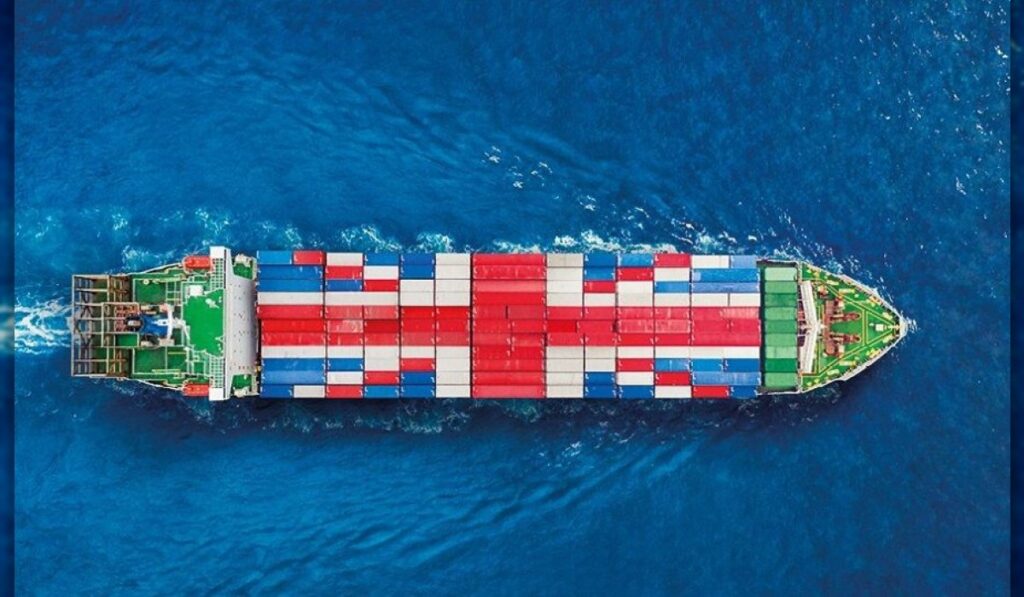
The UK Chamber of Shipping has warned the British government against repeating the compliance pitfalls of the EU’s FuelEU Maritime regime as it prepares to introduce its own maritime fuel standard. In a 22-page policy paper published this week, the industry body highlighted the administrative burdens and inconsistencies that have plagued shipowners under the EU system, urging a more streamlined approach for the UK.
However, the UK Chamber of Shipping’s report reveals that the system has imposed a substantially greater administrative workload than anticipated, with operators struggling to meet deadlines despite fulfilling their operational obligations. Inconsistencies in verification systems have further compounded the challenges, creating additional work for both shipowners and regulators.
The Chamber’s report identifies several key areas where FuelEU has fallen short. Reporting deadlines have proven particularly problematic, with some operators missing them even after meeting their fuel and emissions targets.
Peter Aylott, the Chamber’s director of policy, emphasised the opportunity for the UK to learn from these mistakes.
“The government had an opportunity to learn from the EU’s experience rather than create another regulatory system that increased costs and complexity.”
Peter Aylott·Director of Policy, UK Chamber of Shipping
The report calls for a fully tested ship-level monitoring and reporting system to be established before any compliance obligations are introduced. This, the Chamber argues, would prevent the kind of administrative chaos seen under FuelEU and ensure that shipowners are not burdened with unnecessary red tape.
Fuel-neutral regulation and realistic targets: FuelEU
The UK Chamber of Shipping is also advocating for a fuel-neutral regulatory approach, which would allow shipowners to choose the most viable decarbonisation solutions based on fuel availability and infrastructure readiness.
Britain’s maritime decarbonisation strategy, unveiled in March 2025, sets ambitious targets: a 30% reduction in domestic shipping’s lifecycle greenhouse gas emissions by 2030, rising to 80% by 2040, and zero emissions by 2050, against a 2008 baseline. The government has identified fuel regulation and emissions pricing as central measures to achieve these goals, but the Chamber’s report suggests that without careful planning, these could become as cumbersome as FuelEU.
The report also urges the UK to align closely with emerging International Maritime Organization (IMO) requirements to avoid duplicate certification, reporting, and verification obligations. This, the Chamber argues, would reduce the administrative burden on shipowners and ensure that the UK’s regulatory framework remains globally competitive.
El informe recomienda al Gobierno británico presentar una propuesta formal ante la IMO antes de su próxima reunión en julio de 2025 para alinear la estrategia nacional con los nuevos estándares internacionales, evitando así duplicidades en los plazos ya establecidos.


Sign up free to ask CAMAL AI for a summary, the key points or anything else about this story.
Related stories
CAMAL AI
 Financial Ports Newsletter
The maritime economy, every morning
Ports, shipping and freight markets in one short email. Free.



