

Germany’s €400m gamble: 47 ways to green the world’s shipping fleets
Berlin unveils a €400m ($448.8m) action plan to slash emissions from seagoing and inland vessels by 2026.
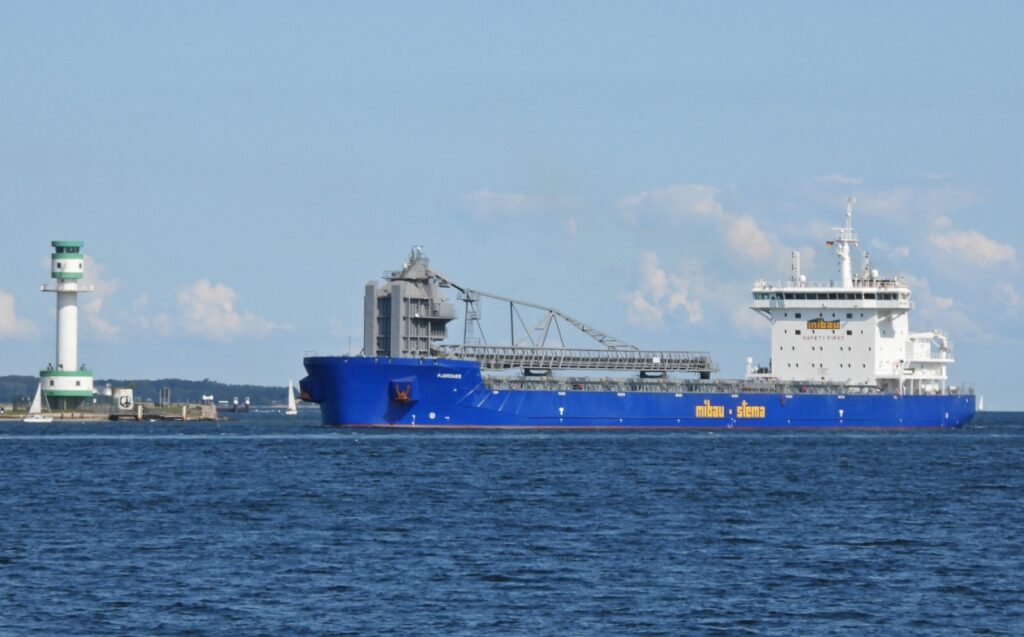
Germany has unveiled a €400 million ($448.8 million) initiative to decarbonise its shipping sector, marking one of the country’s largest financial commitments to green maritime transport. The federal cabinet approved the National Action Plan for Climate-Friendly Shipping, which outlines 47 measures to accelerate the transition of both seagoing and inland fleets.
The funding, sourced from Germany’s Climate and Transformation Fund, will support a range of initiatives over the coming years. These include the development of greener shipping corridors, the expansion of alternative fuel infrastructure, and financial incentives for modernising vessels. One proposed measure would offer environmental discounts for ships transiting the Kiel Canal, though the government has emphasised that any such scheme must operate without increasing public expenditure.
Key measures and industry impact: Germany
The plan adopts a technology-neutral stance, avoiding preferential treatment for specific alternative fuels or propulsion systems. Instead, it aims to foster competition among emerging technologies to determine the most viable solutions for widespread adoption. Core priorities include increasing the availability of low-carbon marine fuels, advancing alternative propulsion systems, and retrofitting existing vessels to meet environmental standards.
To speed up the commercial deployment of proven technologies, the government will also work to reduce administrative barriers, particularly for innovations already tested in pilot projects. Additional support will come through leasing arrangements with favourable financing terms for ships that meet environmental criteria.
German Transport Minister Bilger highlighted the plan’s dual objectives: supporting the maritime industry’s transition while positioning Germany as a hub for cleaner shipping technologies. The government will also push for internationally consistent regulations at the International Maritime Organization (IMO) to prevent competitive disadvantages for shipowners operating under stricter environmental rules.
Next steps and industry expectations
Implementation of the plan will begin this autumn, with further details to be discussed at a government maritime conference on November 5. While the initiative represents a significant step forward, the government has not yet finalised funding allocations or timelines for all 47 measures, leaving some industry stakeholders seeking greater clarity. The Kiel Canal proposal, in particular, remains under review as authorities assess its feasibility.
The programme is part of Germany’s broader 2026 climate protection strategy and was developed in collaboration with shipping companies, industry associations, researchers, and regional governments. Its success will depend on balancing innovation with practical implementation to meet the sector’s decarbonisation goals.


Sign up free to ask CAMAL AI for a summary, the key points or anything else about this story.
Related stories
CAMAL AI
 Financial Ports Newsletter
The maritime economy, every morning
Ports, shipping and freight markets in one short email. Free.



