

India-EU Green Corridor: How Two Continents Plan
A new industry coalition aims to create cleaner maritime trade routes by matching India’s green fuel production.
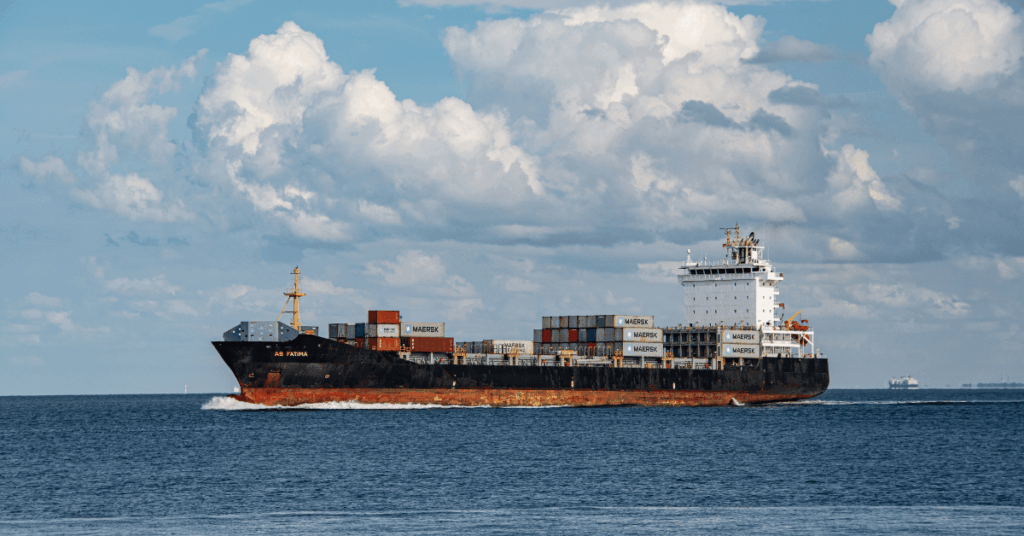
India and the European Union have launched an industry coalition to establish a green shipping corridor, aiming to slash emissions on key maritime trade routes by accelerating the adoption of low-emission fuels like green ammonia and methanol.
The initiative, unveiled at the 3rd Sagarmanthan: The Great Oceans Dialogue in New Delhi, brings together port authorities, shipbuilders, financiers, and international bodies to create a commercially viable and scalable corridor. The coalition, formed in 2026, follows a feasibility study conducted the previous year and is now moving toward implementation.
Vijay Kumar, India’s Shipping Secretary, said the corridor would match India’s growing potential in green fuel production with Europe’s rising demand. “The oceans do not separate us; they connect us,” Prime Minister Modi stated in his opening message, emphasising the collaborative nature of the project.
Why This Green Shipping Corridor Matters for Global Trade
The India-EU green shipping corridor is designed to address one of the maritime industry’s most pressing challenges: reducing carbon emissions without disrupting trade flows. Shipping currently accounts for nearly 3% of global greenhouse gas emissions, a figure that could rise without intervention. The corridor aims to demonstrate that cleaner fuels can be both environmentally sustainable and economically viable.
Union Minister Saebananda Sonowal highlighted India’s progress in modernising its ports, noting that major facilities have nearly doubled their capacity. This expansion, coupled with initiatives like Maritime Amrit Kaal 2047 and the Sagarmala programme, positions India as a key player in the global shift toward decarbonisation. A modern legal framework for ports is already in place, further supporting the corridor’s development.
The event attracted delegations from Australia, Belgium, Bhutan, Norway, France, South Korea, the UAE, and several African nations, along with institutions like the Asian Investment Bank, UN Trade and Development, and the African Union. The participation of global stakeholders underscores the corridor’s potential to set a precedent for other regions.
How the Corridor Will Work and What Comes Next
The coalition’s first priority is to establish trade routes that prioritise green ammonia and methanol, fuels that produce significantly fewer emissions than traditional marine fuels. These fuels are expected to play a critical role in meeting the International Maritime Organization’s (IMO) target of reducing shipping emissions by at least at least 50% by 2050.
Samir Saran, President of the Observer Research Foundation (ORF), described the current maritime landscape as undergoing “a great churning” of disruptions, technological changes, and fragmentation. He stressed that the corridor would help build a resilient supply chain, strengthen India’s shipbuilding ecosystem, and develop a skilled workforce to support the transition.
The first day of the dialogue featured a session titled “Tides of Trust,” which included speakers like former Australian Prime Minister Kevin Rudd, Bhutan’s Chandra Bahadur Gurung, and DP World CEO Rizwan Soomar. Other sessions covered topics such as India-Korea maritime ties, the governance of the India-Middle East-Europe Economic Corridor (IMEC), and Africa’s role in the blue economy.
As the initiative moves from feasibility to execution, the focus will shift to ensuring that the corridor is not only environmentally sustainable but also commercially attractive. The involvement of global financiers and industry leaders suggests that the project could serve as a model for other green shipping corridors worldwide.
“The global maritime order is going through a great churning of disruptions, technological changes, and fragmentation. India aims to deliver a resilient supply chain, green shipping corridors, a strong shipbuilding ecosystem, and a skilled workforce.”
Samir Saran·President, Observer Research Foundation
The next steps for the coalition include finalising the trade routes, securing investments for green fuel infrastructure, and establishing regulatory frameworks to support the adoption of low-emission fuels. With major ports in India already expanding their capacity, the corridor is poised to become a cornerstone of the maritime industry’s decarbonisation efforts.


Sign up free to ask CAMAL AI for a summary, the key points or anything else about this story.
Related stories
CAMAL AI
 Financial Ports Newsletter
The maritime economy, every morning
Ports, shipping and freight markets in one short email. Free.
Financial Ports Newsletter
The maritime economy, every morning
Ports, shipping and freight markets in one short email. Free.



