

Trump Administration Moves to Block Second Offshore Wind Project
US Justice Department files to remand Maryland Offshore Wind approval, citing alleged gaps in environmental review.
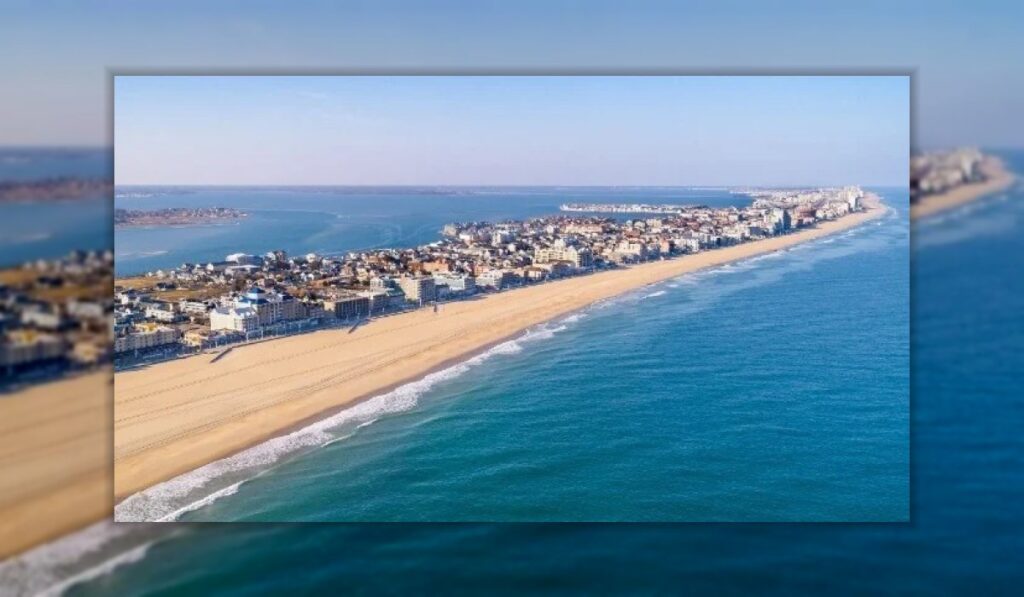
The Trump administration administration has escalated its campaign against offshore wind energy by asking a US federal court to remand the approval of Maryland Offshore Wind, a 1.8 GW project off the coast of Ocean City, Maryland. The Department of Justice of Justice filed the request last week, marking the second time in days the administration has attempted to derail the sector through legal manoeuvres.
The Department of Justice of Justice’s filing with the US District Court in Maryland seeks to send the Construction and Operations Plan (COP) for Maryland Offshore Wind back to the Department of the Interior for additional scrutiny. The administration argues that the Bureau of Bureau of Ocean Energy Management (BOEM), the agency responsible for offshore energy projects, identified potential “major [adverse] impacts” in its initial assessment. These include risks to the North Atlantic right whale, scenic and visual resources, commercial fisheries, and ongoing scientific research.
The move is not without precedent. Just days earlier, the administration employed a similar tactic against Revolution Wind, a nearly completed project off the coast of Rhode Island. While Revolution Wind has already finished installation and is in the final stages of commissioning, the administration claims the review process was incomplete.
Global Ship Lease
No aplica (eliminar como nombre propio): Offshore Wind
Maryland Offshore Wind, developed by US Wind, has been in the pipeline for over a decade. The project’s lease dates back to a 2014 offshore auction, and US Wind consolidated two leases into a single project in 2018. The review and approval process began in 2020, culminating in final approvals from the Department of the Interior and BOEM in the summer of 2024.
The plan, approved on December 3, 2024, includes up to 114 wind turbines, four offshore substations, four export cables, and a 100-meter meteorological tower. While US Wind has not yet specified turbine models, it is considering units of up to 18 MW, which would contribute to the project’s potential capacity of 1.8 GW.
The Maryland Offshore Wind project has been mired in legal challenges since its approval. Eight separate complaints have been filed against the Department of the Interior and US Wind, seeking to block the project’s progression. The US District Court has already dismissed three counts, including claims related to procedural violations, migratory bird impacts, and the Coastal Zone Management Act.
The Trump administration administration’s latest filing adds another layer of complexity to an already contentious process. The Department of Justice of Justice has taken a dual stance in the legal battles, arguing both for and against the project depending on the complaint.
In one instance, it labelled a claim against NOAA Fisheries regarding marine mammal impacts as “blatantly inaccurate”, urging the court to dismiss it. Yet, in the same filing, it agreed with critics that the Department of the Interior’s approval should be remanded for further review under the Outer Continental Shelf Lands Act.
US Wind has vehemently opposed the administration’s efforts to revoke its permit. In August, the company asked the court to issue an injunction preventing the federal government from taking such action. However, Judge Stephanie Gallagher ruled that US Wind must wait until the Department of the Interior formally acts before seeking legal recourse.
Legal Battles and Industry Uncertainty
Since taking office in 2025, the administration has employed a range of tactics to stall development, including reviewing permitting processes, issuing stop-work orders, and even buying back leases. These efforts have effectively halted future projects while targeting those already approved, such as Maryland Offshore Wind and Revolution Wind. The administration’s actions have drawn criticism from environmental groups, industry stakeholders, and several states, which have filed lawsuits challenging the legality of buying back leases in exchange for investments in fossil fuel projects.
For the offshore wind industry, the stakes are high. The Maryland Offshore Wind project alone represents a potential 1.8 GW of clean energy, enough to power hundreds of thousands of homes. Delays and legal challenges not only threaten the viability of individual projects but also cast doubt over the future of the sector in the US.
Investors and developers are closely watching the courts, which will ultimately decide whether the administration’s attempts to reopen approvals hold water. With four counts still pending in the Maryland case and similar challenges facing other projects, the coming months could prove pivotal for the industry’s trajectory in the US.
The Department of Justice of the Interior and BOEM have not yet commented on the latest filing, but industry analysts expect further legal battles as the administration continues its efforts to reshape the offshore wind landscape. For now, the fate of Maryland Offshore Wind, and the broader sector, hangs in the balance.


Sign up free to ask CAMAL AI for a summary, the key points or anything else about this story.
Related stories
CAMAL AI
 Financial Ports Newsletter
The maritime economy, every morning
Ports, shipping and freight markets in one short email. Free.



