

Floating Data Centres: Japan’s Port-Based Answer to Land and Power Crunch
A consortium led by NYK unveils a floating data centre concept moored alongside quays to bypass land shortages and.
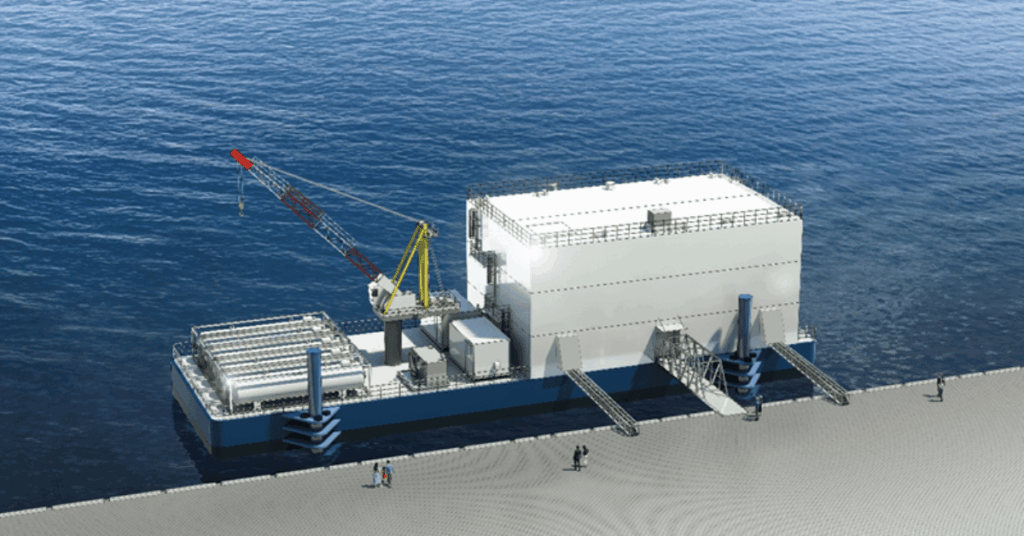
A consortium of four Japanese companies has unveiled a pioneering concept for floating data centres moored in ports, aiming to alleviate chronic land shortages and power supply constraints in densely populated urban areas.
The initiative, led by shipping giant Nippon Yusen Kabushiki Kaisha (NYK), alongside NTT FACILITIES, INC., Eurus Energy Holdings Corporation Holdings Corporation, and MUFG Bank, Ltd., proposes a floating data centre design that integrates seamlessly with existing port infrastructure. This approach is designed to bypass the limitations of traditional land-based facilities, which are increasingly strained by soaring demand for digital infrastructure.
Why Floating Data Centres Are Gaining Traction
The rapid expansion of cloud computing, artificial intelligence, and big data analytics has intensified pressure on data centre capacity worldwide. Urban centres, in particular, face acute challenges: suitable development sites are scarce, power grids are overstretched, and construction timelines are protracted. Floating data centres offer a compelling alternative by leveraging underutilised coastal and port areas.
The port-based concept envisions a floating facility moored alongside a quay, utilising existing port infrastructure for power, connectivity, and logistical support. This model is expected to reduce construction lead times and operational costs while providing scalability. Unlike offshore installations located far from shore, which require independent power and telecommunications networks, the port-based design benefits from established grid connections and easier accessibility for maintenance and upgrades.
“The port-based floating data centre is a pragmatic intermediate step toward more ambitious offshore deployments,” industry analysts note. “It allows for rapid deployment in metropolitan and regional communities while mitigating the risks associated with deep-sea installations.”
How the Consortium Plans to Deliver the Concept
The consortium has divided responsibilities to ensure the project’s feasibility and scalability. NYK, with its extensive maritime expertise, will oversee project development and business strategy. The company’s role includes coordinating with port authorities, securing mooring sites, and ensuring compliance with maritime regulations.
NTT FACILITIES, a specialist in data centre design and construction, will handle the technical verification of the floating facility. This includes ensuring structural integrity, thermal management, and operational efficiency in a marine environment. The company will also oversee the integration of advanced cooling systems, which are critical for data centre performance and energy efficiency.
Eurus Energy Holdings Corporation Holdings, a renewable energy developer, will explore opportunities to integrate offshore wind power and other renewable sources into the floating data centre’s energy mix. This aligns with the consortium’s broader goal of reducing the carbon footprint of digital infrastructure. “Renewable energy integration is a key differentiator for this concept,” said a spokesperson for Eurus Energy Holdings Corporation. “It positions floating data centres as a sustainable solution for the future.”
MUFG Bank will evaluate financing opportunities and potential business partnerships to support the project’s commercialisation. The bank’s involvement underscores the financial viability of the concept and its potential to attract investment from both public and private sectors.
While the consortium has not disclosed specific details about the project’s timeline, investment value, or computing capacity, the port-based floating data centre concept is expected to serve as a blueprint for future deployments. The model’s flexibility allows it to be adapted to a wide range of port environments, from major metropolitan hubs to smaller regional facilities.
For port authorities and urban planners, the floating data centre concept presents an opportunity to repurpose underutilised waterfront areas while addressing the growing demand for digital infrastructure. The design also aligns with broader trends in sustainable urban development, offering a low-impact solution to the challenges of land scarcity and energy consumption.
As the consortium moves toward practical implementation, the port-based floating data centre could set a new standard for digital infrastructure, bridging the gap between land-based constraints and the expanding needs of the global data economy.


Sign up free to ask CAMAL AI for a summary, the key points or anything else about this story.
Related stories
CAMAL AI
 Financial Ports Newsletter
The maritime economy, every morning
Ports, shipping and freight markets in one short email. Free.



