

Port of Los Angeles smashes 118-year record with 1m+ TEUs in a month
The Western Hemisphere’s busiest hub handled 1,042,652 TEUs in September, 20,000 more than its previous best.
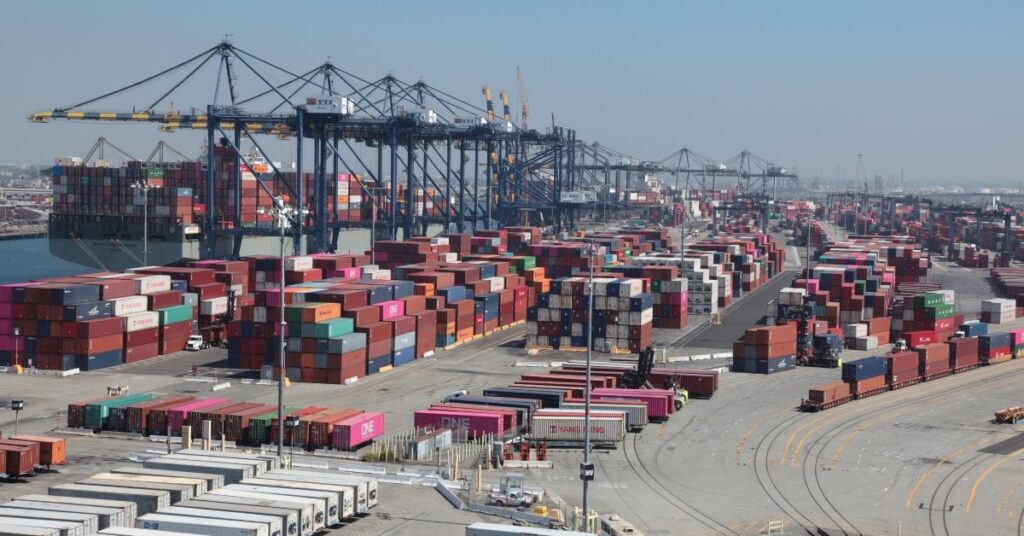
The Port of Los Angeles has achieved a historic milestone, processing 1,042,652 TEUs in September—the highest monthly volume in its 118-year history. This figure surpasses the previous record set in July 2025 by 20,000 units, underscoring the port’s role as a critical hub for global trade.
The surge in activity extends beyond a single month. From July to September, the port handled nearly 3 million TEUs, marking its busiest quarter on record. Between June and September, the facility processed 4 million TEUs, the highest volume ever recorded in a four-month period. For the year to date, the port has moved around 8 million TEUs, a 3% increase compared to the same period in 2025.
Gene Seroka, Executive Director of the Port of Los Angeles, described September as an extraordinary month for performance. He attributed the growth to strong demand as importers replenish inventories and shippers seek alternative routes amid geopolitical tensions. “September was a month for the record books,” Seroka said. “The demand remains high, and we expect more cargo to arrive as businesses adjust their supply chains.”
Geopolitical shifts drive cargo rerouting: port of los angeles
Global disruptions are reshaping shipping patterns, with carriers avoiding key chokepoints. The Suez Canal has seen reduced traffic due to security threats in the Red Sea, particularly around the Bab-el-Mandeb Strait. Meanwhile, the Panama Canal is operating at lower capacity as a severe El Niño event has lowered water levels, limiting the number of ships and cargo volumes it can accommodate.
These challenges have positioned the Port of Los Angeles as a preferred alternative. Its infrastructure—including 25 cargo terminals, over 80 container cranes, and 110 miles of on-dock rail—allows it to efficiently handle increased volumes. Additionally, lower tariffs this year compared to 2025 have provided importers with greater cost predictability, further boosting activity at the port.
Located in San Pedro Bay, California, the Port of Los Angeles spans 7,500 acres and features 43 miles of waterfront. As the busiest container port in the Western Hemisphere, it continues to play a pivotal role in global trade amid evolving supply chain dynamics.


Sign up free to ask CAMAL AI for a summary, the key points or anything else about this story.
Related stories
CAMAL AI
 Financial Ports Newsletter
The maritime economy, every morning
Ports, shipping and freight markets in one short email. Free.



