

EU’s 2030 shore power deadline: ports race against the grid
European ports must provide shore power for 90% of container and passenger calls by 2030.
Europe’s ports are scrambling to meet a 2030 deadline for shore power infrastructure, but grid upgrades threaten to derail the timeline. Two EU regulations, AFIR and FuelEU Maritime, mandate that ports provide shore power for 90% of qualifying container and passenger calls, while ships must connect if docked for more than two hours.
By 2030, TEN-T core and comprehensive ports must equip berths to supply shore power for 90% of container and passenger vessels. Meanwhile, FuelEU Maritime requires ships to use it if they stay longer than two hours. As Alex Byelyavtsev notes, “One rule builds the socket. The other requires the ship to plug into it.” The problem? “The date, from Fit for 55, is already doing the ordering. It is not building the grid.”
Grid bottlenecks: the invisible hurdle: shore power deadline
The infrastructure gap is stark. While ships can be retrofitted, Hapag-Lloyd has equipped 35% of its containerships, and Cavotec is installing containerised cable systems, the ports are lagging. Transport & Environment estimates that only 11% of the required container connections are guaranteed across 31 European ports.
Hapag-Lloyd
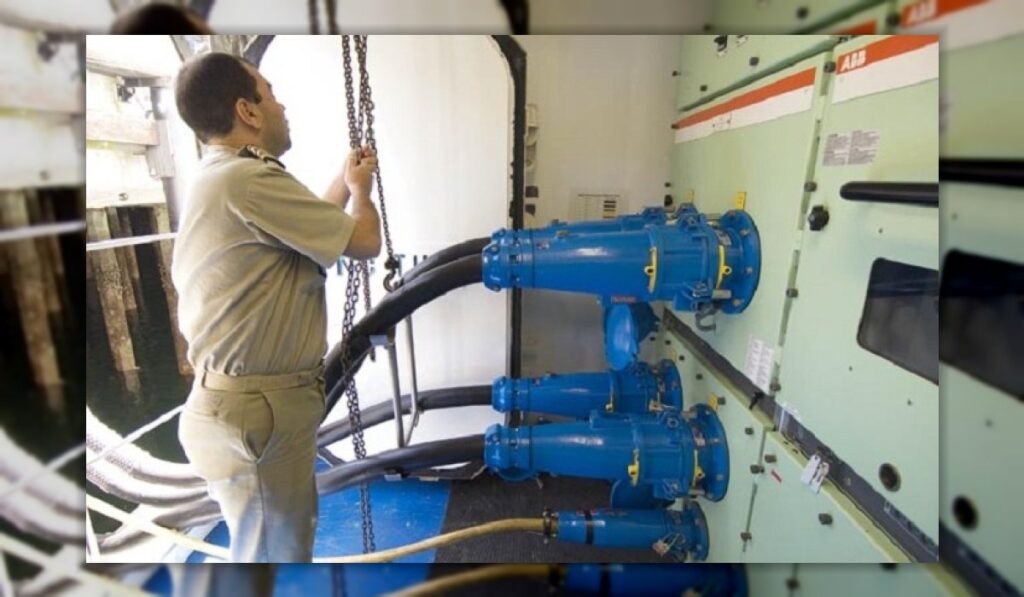
The European Sea Ports Organisation (ESPO), warns that extra grid capacity can take 4, 10 years to build, compared to just 2, 3 years for port-side connections. Rotterdam, Europe’s largest port, aims to complete its shore power infrastructure by the second half of 2028, but ABB’s kit, designed to supply up to 32 containerships simultaneously, faces grid congestion.
As Byelyavtsev puts it, “A 90% coverage test does not ask whether those megawatts are free at 07:00 on a Saturday.” The mismatch between regulatory timelines and grid realities risks leaving ports with “dead cabinets”, shore power infrastructure that exists on paper but lacks the energy to function. Germany’s Port of Hamburg offers a glimpse of operational challenges.
Legal loopholes and financial barriers
The regulations include exceptions to cushion the transition. Ships can avoid penalties if shore power is unavailable due to grid instability, incompatibility, or emergencies. However, from 2035, these exceptions tighten to the lower of 10% of annual calls or 10 calls. Masters must now request shore power before arrival, or risk penalties. “A dead cabinet is a legal category,” Byelyavtsev notes, emphasising that unavailability must be documented to avoid fines.
Financially, the deck is stacked against shore power. While on-board electricity at berth is tax-exempt under the EU’s Energy Taxation Directive, shore-side electricity is not. Germany secured a reduced electricity tax rate for shore power from June 2026 until 31 December 2029, but other EU member states lack similar provisions. The cost disparity makes shore power less attractive, particularly in tramp trades where invoices may not follow the bunker.
The Alternative Fuels Infrastructure Regulation (AFIR), which sets the 2030 deadline, is due for review by 31 December 2026. The review will assess progress and could adjust timelines or requirements, but the core challenge remains: “The plug is not the power.” Without grid capacity, the 2030 deadline may rely on exceptions rather than full compliance. For now, ports and ships are caught in a race where the finish line keeps moving.
Hapag-Lloyd’s progress, with 35% of its fleet already equipped, shows that adaptation is possible, but smaller operators may struggle to keep pace.
For ports, the stakes are equally high. Failure to meet the 2030 deadline could result in reputational damage, lost business, or even legal penalties. However, the bigger risk is gridlock, literally. Without sufficient grid capacity, ports may find themselves unable to offer shore power even if the infrastructure is in place. The European Sea Ports Organisation (ESPO) has repeatedly called for greater coordination between ports, grid operators, and regulators to avoid this scenario.
For cargo owners and shippers, the transition to shore power could mean higher costs in the short term, as ports and shipping lines pass on the expense of infrastructure upgrades. However, the shift aligns with broader sustainability goals, particularly as carbon pricing and emissions regulations tighten. Companies that rely on maritime transport may need to factor shore power compliance into their supply chain strategies, particularly for routes through TEN-T ports.
The path to 2030 is fraught with challenges, but there are steps ports and shipping lines can take to prepare. The first is to assess grid capacity and work with local energy providers to secure upgrades. The European Commission’s TEN-T guidelines include funding for alternative fuels infrastructure, and ports can apply for support through programmes like the Connecting Europe Facility (CEF).
For shipping lines, retrofitting vessels with shore power capabilities is a priority. Cavotec’s containerised cable system, ordered in July 2026, offers a modular solution that can be installed without dry-docking, reducing downtime. Meanwhile, classification societies like DNV provide guidance on compliance, including the latest requirements for shore power connections under FuelEU Maritime.
Ports and shipping lines should also monitor the upcoming AFIR review, due by 31 December 2026. The review could introduce adjustments to timelines or requirements, particularly if grid upgrades fall behind schedule. Stakeholders can submit feedback through the European Commission’s official channels, including the Have Your Say portal.
For real-time updates on shore power infrastructure, industry players can consult the European Alternative Fuels Observatory (EAFO), which tracks progress across EU ports. The observatory provides data on installed capacity, grid connections, and compliance status, helping ports and shipping lines benchmark their progress against peers.
The race to 2030 is on, and the stakes could not be higher. With grid upgrades lagging and financial barriers persisting, Europe’s ports and shipping lines must act now, or risk being left behind in the transition to cleaner maritime transport.


Sign up free to ask CAMAL AI for a summary, the key points or anything else about this story.
Related stories
CAMAL AI
 Financial Ports Newsletter
The maritime economy, every morning
Ports, shipping and freight markets in one short email. Free.



