

Callao Cuts 6,000 Tonnes of CO2: Latin America’s First Cold-Ironing Port
Peru’s Port of Callao launches shore power for boxships, slashing emissions by 90% per call.
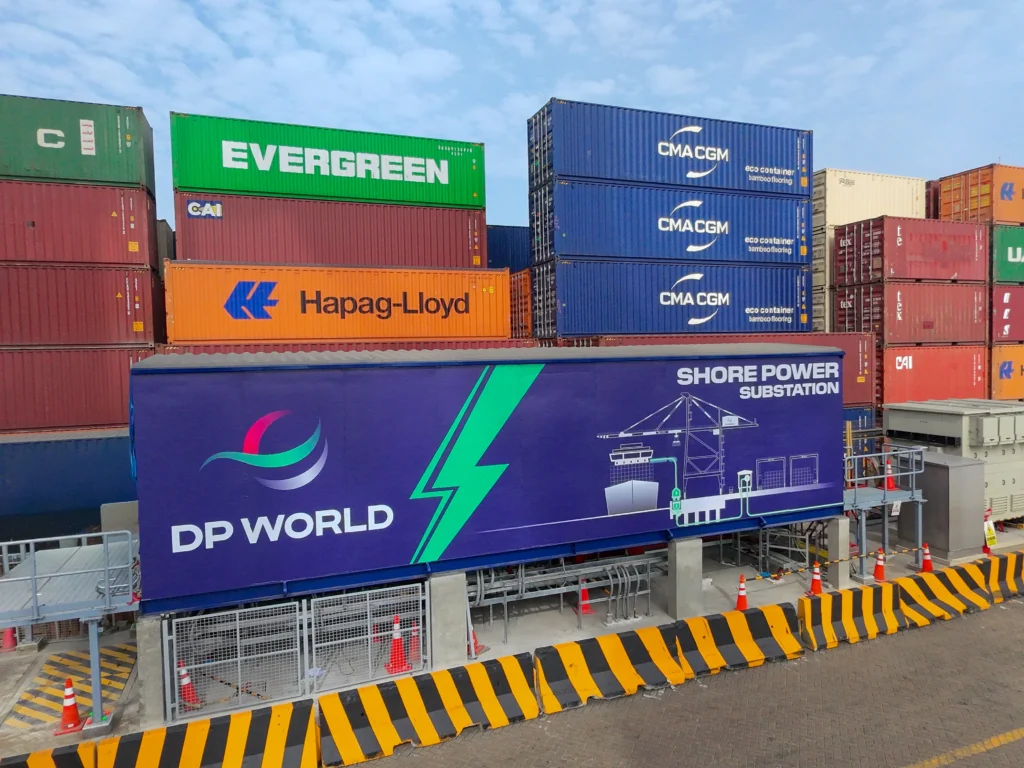
The Port of Callao has achieved a regional milestone by becoming the first in Latin America to implement a shore power system for merchant vessels. The technology allows ships to connect to renewable electricity while docked, eliminating the need to run auxiliary engines on fossil fuels.
The new system is expected to reduce carbon dioxide emissions by 6,000 tonnes annually, equivalent to about 30 tonnes per port call. Most vessels serving Callao’s Pier 3—including four of the seven weekly ships on Asia-South America routes—are already equipped to use the shore power infrastructure.
Beyond cutting greenhouse gases, the project addresses a pressing public health concern. By replacing auxiliary engines with shore power, emissions of nitrogen oxides, sulphur oxides, and particulate matter will drop by 90 percent. These pollutants are known to harm communities near port facilities, making the upgrade a significant step for local air quality.
Environmental and health benefits: shore power
The shore power installation is part of a $400 million investment by DP World at the Port of Callao, itself a component of a $1 billion commitment to modernize Peru’s port infrastructure. The system is designed to accommodate the largest container ships calling at the port.
Peruvian President Keiko Fujimori highlighted the project’s broader impact, stating that it positions Peru among a select group of nations adopting advanced port technologies. “We are not only moving cargo; we are moving Peru toward the future,” she said. “This technology may seem simple, but only 3 percent of the world’s ports currently have it.”


Sign up free to ask CAMAL AI for a summary, the key points or anything else about this story.
Related stories
CAMAL AI
 Financial Ports Newsletter
The maritime economy, every morning
Ports, shipping and freight markets in one short email. Free.
Financial Ports Newsletter
The maritime economy, every morning
Ports, shipping and freight markets in one short email. Free.



