

India’s JN Port Cuts Emissions by 63% With $70m Shore Power Revolution
Mumbai’s Jawaharlal Nehru Port secures $70 million IFC blue financing to eliminate diesel generators at berth by 2028.
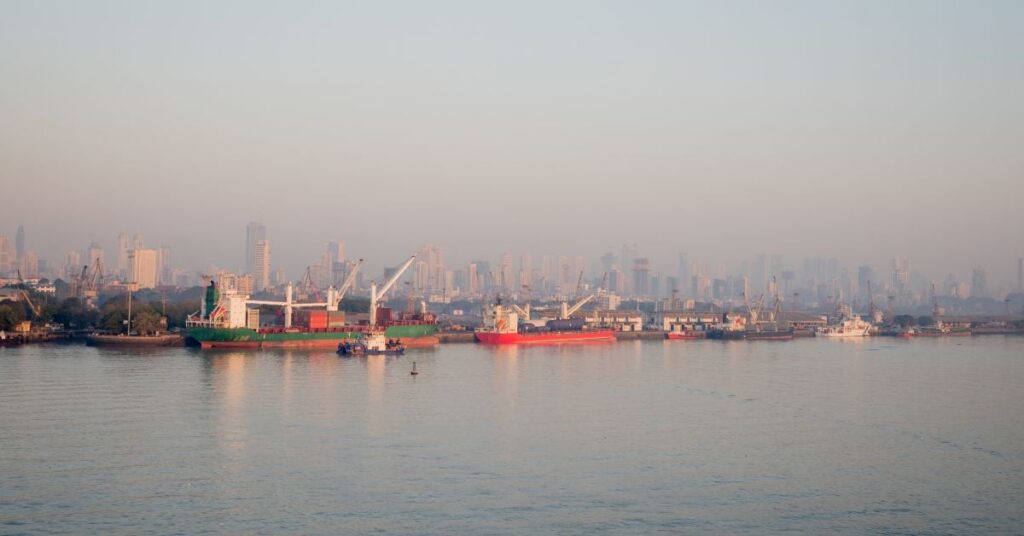
Mumbai’s Jawaharlal Nehru Port Authority (JNPA) has secured a $70 million blue financing deal with the International Finance Corporation (IFC) to eliminate diesel generators at berth, slashing emissions by 63% and air pollution by 90% by 2028.
The project, the first of its kind in the Asia-Pacific region, will allow vessels to plug into onshore power infrastructure instead of running auxiliary engines while docked. Annually, the port expects to supply 119,084 MWh of shore power, avoiding 71,282 tonnes of carbon dioxide emissions.
“Receiving funds from international bodies like the IFC would allow JNPA to manage risks arising at the early stages of project development and also build experience through investing in research and development,” he said.
“Receiving funds from international bodies like the IFC would allow JNPA to manage risks arising at the early stages of project development and also build experience through investing in research and development.”
Gaurav Dayal·Chairperson, Jawaharlal Nehru Port Authority
How Shore Power Will Transform India’s Busiest Port
The phased rollout, spanning 2-3 years, includes installing 33-Kv substations, frequency converters, and shore-side connection points across all terminals except the liquid cargo terminal. Once operational, the system will serve large ocean-going vessels, a first for any Indian port.
IFC Division Director at the IFC South Asia Manuel Reyes Retana highlighted the project’s broader implications. “The investment shows the potential of sustainable financing in the country’s maritime sector,” he noted, framing it as a model for other ports under India’s Harit Sagar Green Port Guidelines and Maritime India Vision 2030.
“The investment shows the potential of sustainable financing in the country’s maritime sector.”
Manuel Reyes Retana·Division Director, IFC South Asia
Beyond emissions cuts, the initiative is projected to generate over 400 jobs, aligning with India’s push for self-reliance in port infrastructure. However, success hinges on shipping companies equipping vessels with compatible shore-power technology, a challenge JNPA is addressing through industry collaboration.
With no Indian port yet deploying shore power at scale, JNPA’s project could set a precedent. The $70 million IFC financing, structured under India’s Blue Finance Guidelines (2025), is also the first development finance institution investment in the country’s state-owned major ports.
The environmental impact is stark: replacing diesel generators with shore power will reduce harmful emissions by 63% and air pollution by 90%.


Sign up free to ask CAMAL AI for a summary, the key points or anything else about this story.
Related stories
CAMAL AI
 Financial Ports Newsletter
The maritime economy, every morning
Ports, shipping and freight markets in one short email. Free.
Financial Ports Newsletter
The maritime economy, every morning
Ports, shipping and freight markets in one short email. Free.