

Panama Canal lifts restrictions: 33 daily slots from October 15
Neopanamax transits rise to 10 per day as Gatun Lake recovers from El Niño-driven drought
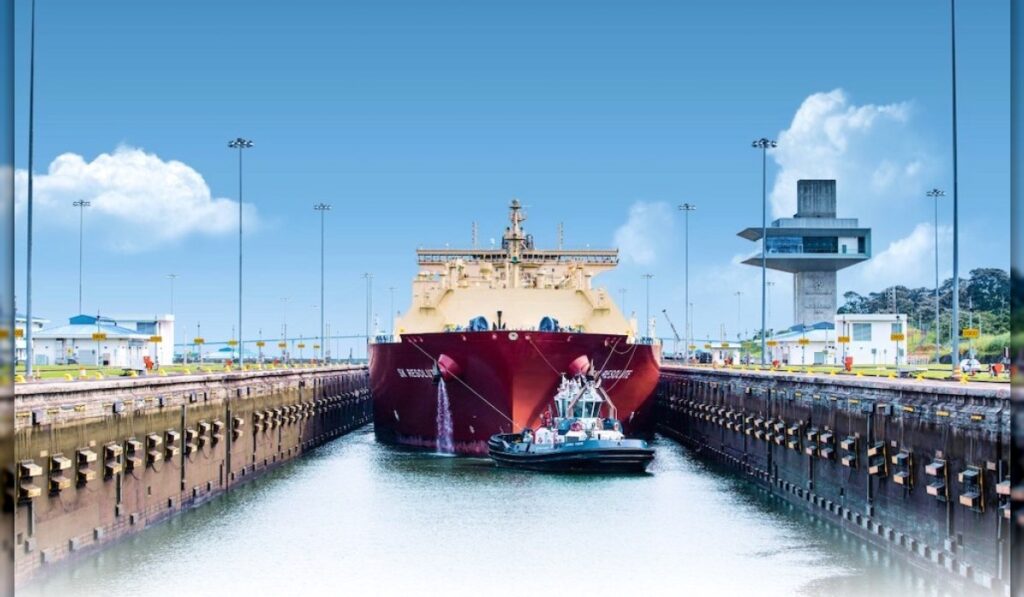
The Panama Canal Authority (ACP) has announced a partial easing of restrictions that have constrained global shipping operations for months, responding to improved rainfall in the region. Starting October 15, the canal will increase the number of daily neopanamax transits to 10, bringing the total combined capacity for neopanamax and panamax vessels to 33 slots per day. Additionally, the maximum authorized draft for neopanamax ships has been raised immediately to 14.94 meters (49 feet).
The Panama Canal’s water supply, primarily dependent on Gatun Lake, plays a critical role in maintaining transit capacity. When water levels decline, the ACP must reduce both the number of vessels allowed to pass and the maximum draft permitted, forcing ships to either lighten their cargo or opt for longer, more expensive routes. This year’s restrictions were intensified by a surge in demand, as disruptions in the Middle East led Asian buyers to increase energy imports from the U.S. Gulf Coast, pushing canal traffic to near its operational limits.
Impact of water levels on global trade: Panama Canal
The recent adjustments aim to alleviate some of these pressures, though the canal’s long-term stability remains tied to weather conditions and water management strategies. Over the next 10 days, forecasts predict consistent rainfall around Gatun Lake, with one day expected to deliver over 20 millimeters of precipitation.
While this short-term relief is welcome, the ACP had previously suspended a planned draft reduction in October only after improved rainfall in September, highlighting the ongoing vulnerability of the water supply. The canal’s normal maximum capacity of 38 daily slots remains unattainable for now.
The increase in daily transits and draft limits will provide immediate relief for carriers, particularly those transporting energy commodities. The additional 10 neopanamax slots opening on October 15 are expected to reduce congestion, lowering the need for costly auctions and minimizing delays. However, with capacity still below its peak, vessels without reservations may continue to face bottlenecks.
Consequences for shipping and supply chains
For shippers, these changes offer temporary respite from the extreme delays and surcharges experienced in recent months. The ACP’s next update on water levels and transit availability is scheduled for early November, though further adjustments could be announced sooner if rainfall patterns shift. Industry stakeholders are advised to maintain contingency plans, including alternative routes such as the Cape of Good Hope, for time-sensitive cargoes that cannot risk delays.
The Panama Canal’s latest measures provide much-needed relief to global supply chains, but they also underscore the maritime sector’s exposure to climate variability. As extreme weather events become more frequent, critical waterways like the Panama Canal may face recurring disruptions, compelling the industry to adapt to an era of heightened uncertainty.


Sign up free to ask CAMAL AI for a summary, the key points or anything else about this story.
Related stories
CAMAL AI
 Financial Ports Newsletter
The maritime economy, every morning
Ports, shipping and freight markets in one short email. Free.
Financial Ports Newsletter
The maritime economy, every morning
Ports, shipping and freight markets in one short email. Free.



