

U.S. Ports Block Russian Diesel as Legal Battle
New Jersey governor vows to stop tankers as seven vessels approach U.S. shores with disputed cargoes.
Political resistance is mounting against a recent agreement between U.S. President Donald Trump and Russian President Vladimir Putin to increase Russian diesel imports into the United States. The deal has drawn sharp criticism from lawmakers and state officials, who argue it violates existing sanctions and undermines U.S. policy on the war in Ukraine.
The controversy stems from the Ending Importation of Russian Oil Act of 2022, which prohibits all Russian energy products from entering the U.S. market. Overriding the law would require congressional approval and a presidential certification that the conflict in Ukraine has ended, neither of which has occurred. Critics, including senior Democratic senators and representatives, have warned ports, banks, and energy companies of potential legal consequences for participating in the imports.
Legal and Political Opposition Grows: russian diesel imports
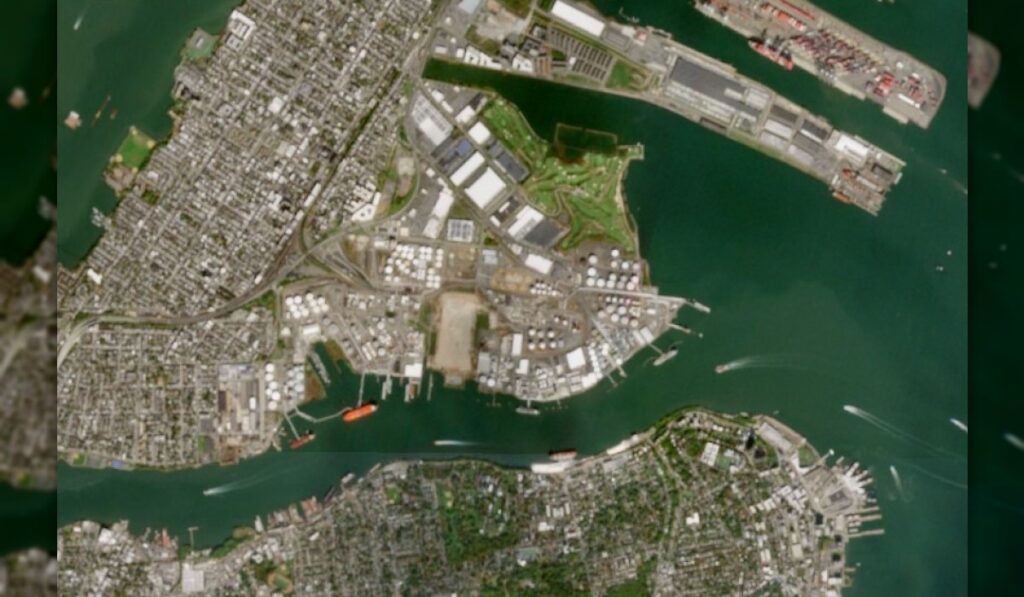
New Jersey Governor Mikie Sherrill (D) has taken a particularly firm stance, vowing to block any tankers involved from docking at the Port of New York & New Jersey, the state’s sole petroleum terminal hub. In a statement, Sherrill called the deal “corrupt and illegal” and said she was exploring legal options to prevent the shipments from arriving.
Seven tankers en route from Russia to the U.S. have been identified by environmental group Greenpeace, though their exact cargoes remain unclear. TankerTrackers.com reports that at least two vessels may be carrying UAN fertilizer, a non-sanctioned agricultural product. The closest vessel, the product tanker Taurus, is expected to reach Beaumont, Texas, on November 5.
Uncertain Cargoes and Market Resistance
Despite pressure from both Moscow and Washington, including offers of steep discounts, potential buyers have largely resisted the shipments. Consultancy Rapidan Energy Group suggested in a recent analysis that the cargoes may ultimately be redirected to Brazil, citing “a wall of resistance based on reputation and legal risks.” The firm noted that U.S. importers are wary of the political fallout, given that revenue from Russian energy sales funds the ongoing war in Ukraine.
Public opinion in the U.S. remains strongly opposed to Russia, with 79 percent of Americans holding an unfavorable view of the country, according to Gallup polling. A Harvard CAPS/Harris Poll also found that two-thirds of voters support continued sanctions and military aid to Ukraine. With the war showing no signs of ending, the fate of the tankers remains uncertain, leaving the Trump administration’s energy deal in limbo.


Sign up free to ask CAMAL AI for a summary, the key points or anything else about this story.
Related stories
CAMAL AI
 Financial Ports Newsletter
The maritime economy, every morning
Ports, shipping and freight markets in one short email. Free.



