

Panama Canal smashes tonnage record despite drought and Red Sea chaos
The waterway handled 521 million tons in FY2026, a 6.5% jump that beats its 2022 high-water mark.
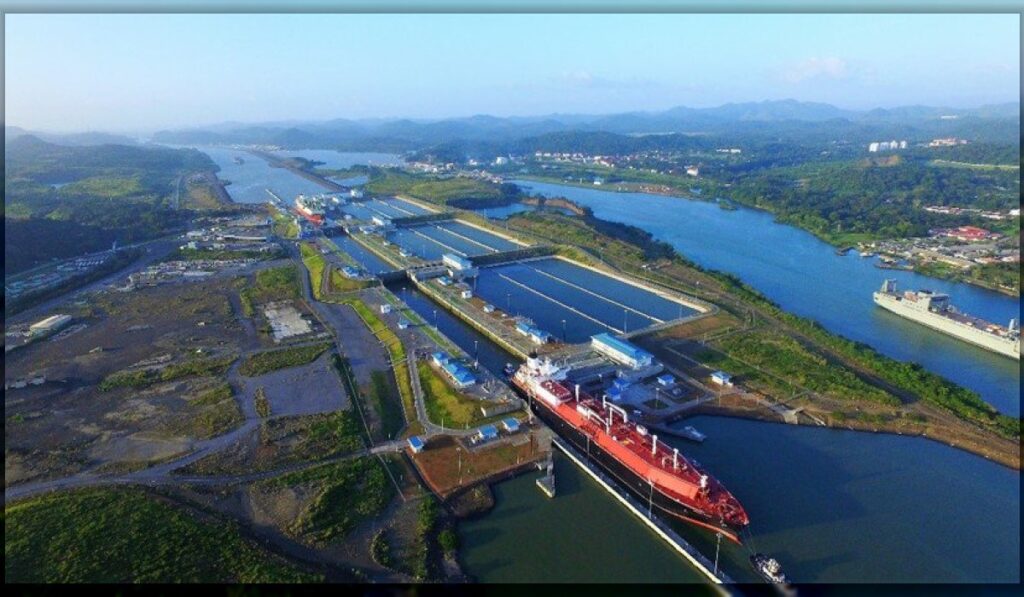
The Panama Canal achieved a historic milestone in its latest fiscal year, processing a record 521 million tons of cargo between October 2025 and September 2026. This figure surpasses the previous high of 518 million tons set in 2022 by 6.5%, despite ongoing challenges from drought and global shipping disruptions.
The waterway recorded 13,951 vessel transits during the period, a 4.1% increase from the prior year. Growth was particularly strong in energy shipments and container traffic, contributing to a 16.6% rise in the Panama Canal Authority‘s total revenues. Officials attributed the surge partly to vessels rerouting from the Suez Canal and Red Sea due to security concerns in those regions.
Adapting to demand and drought: Panama Canal
The canal maintained operations for larger vessels throughout the year, with the Neopanamax locks handling over half of all cargo tonnage. Traffic through these locks grew by more than 8% compared to the previous fiscal year. Despite El Niño’s impact on water levels, the authority preserved a 50-foot draft, ensuring access for the largest ships.
To manage increased demand, the canal temporarily expanded daily transits from 36 to 41 vessels. While this adjustment helped accommodate more traffic, it also led to higher costs for shippers. Auction prices for transit slots reached unprecedented levels, with one bid exceeding $5 million as vessels competed for limited capacity.
Water recovery enables service restoration
Recent rainfall has improved conditions in the canal’s watershed. After remaining stable at 84 feet in early September, Gatun Lake’s water level rose to 86.2 feet by mid-October, surpassing the five-year average for this time of year. This recovery allowed the authority to reinstate the Last-Minute Reservation service for Panamax locks, offering vessels without prior bookings a chance to secure available transit slots.
Administrator Ilya Espino de Marotta emphasized the canal’s resilience during a recent briefing. “Far from restricting trade flows, the Panama Canal facilitates international maritime trade by providing its customers with a reliable and safe route,” she stated. With water levels continuing to rise, officials indicated that further restrictions on draft or daily transits are unlikely in the immediate future.


Sign up free to ask CAMAL AI for a summary, the key points or anything else about this story.
Related stories
CAMAL AI
 Financial Ports Newsletter
The maritime economy, every morning
Ports, shipping and freight markets in one short email. Free.



