

Panama Canal Chaos: 70% More Ships Reroute via Magellan Strait
Vessels divert around South America as Panama Canal draft restrictions and delays hit hard.
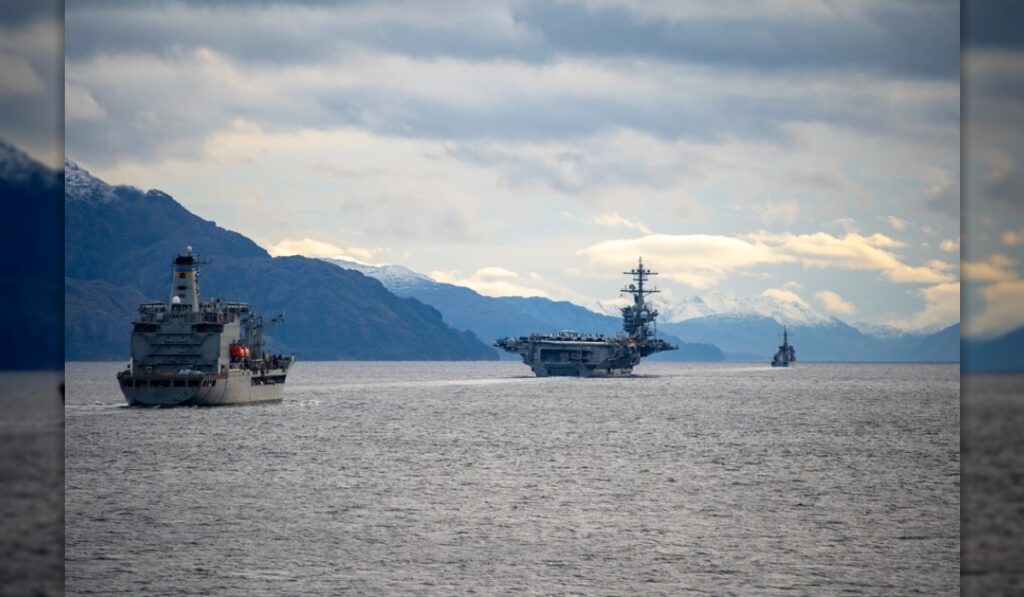
Shipping traffic through the Strait of Magellan has surged as vessels increasingly bypass the Panama Canal due to operational restrictions, according to a recent analysis by Bloomberg. Data from the Chilean Navy shows a 70% year-over-year increase in pilot requests for the strait during August and September, following a trend that began in July.
The rerouting is largely driven by the Panama Canal Authority’s efforts to conserve water, which have reduced daily transits and imposed draft restrictions. The Neopanamax locks, used by the largest vessels, now allow only nine transits per day, down from a typical 38. Meanwhile, the older Panamax locks permit 23 daily transits. These limitations have particularly affected 60,000 to 65,000 gross ton ships, including LNG carriers and containerships, which must either lighten their loads or offload cargo to comply with the new rules.
Congestion and Costs at the Panama Canal
The restrictions have led to significant delays, with 45 vessels currently waiting for transit slots. The average northbound wait time has climbed to 5.5 days, though only three ships without reservations are in the queue. To secure priority passage, operators have faced record-high bidding prices, with some slots reportedly selling for over $5 million.
Natural Gas
The Panama Canal Authority has taken steps to ease the situation, adding back one transit slot for large vessels and delaying further draft restrictions. Forecasts suggest water levels in Gatun Lake may stabilize, potentially allowing the canal to maintain current operations without additional cuts. However, the long-term outlook remains uncertain.
Additional Factors Driving Rerouting
Beyond the canal’s challenges, other factors are contributing to the rise in traffic around South America. Some vessels traveling between West Africa and Asia are opting for the longer route to avoid security risks in the Middle East and Red Sea. Seasonal shifts are also playing a role: winter road closures between Chile and Argentina have pushed shippers toward maritime alternatives, while the start of the Southern Hemisphere summer has brought an influx of cruise ships to the region and Antarctica.
The Strait of Magellan offers a shorter path than rounding Cape Horn, but its narrow waters and unpredictable weather require mandatory piloting. As global trade adapts to these disruptions, the strain on alternative routes highlights the fragility of key maritime chokepoints.


Sign up free to ask CAMAL AI for a summary, the key points or anything else about this story.
Related stories
CAMAL AI
 Financial Ports Newsletter
The maritime economy, every morning
Ports, shipping and freight markets in one short email. Free.
Financial Ports Newsletter
The maritime economy, every morning
Ports, shipping and freight markets in one short email. Free.



