

Panama Canal auctions $5.3m slots as dry season looms
Panama Canal Authority offers 558 long-term slots for January-April 2027 through sealed-bid auctions
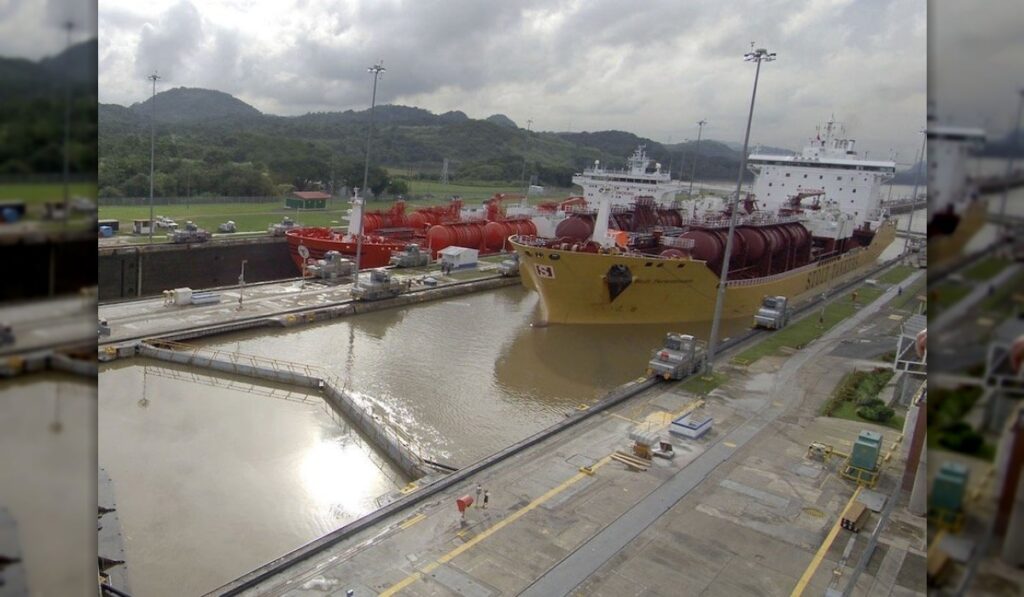
The Panama Canal Authority has expanded its long-term booking system to include the Panamax locks for the first time, aiming to provide shipping companies with greater scheduling stability during the dry season. The new phase of the Long-term Slot Allocation (LoTSA) programme will run from January 3 to April 3, 2027, operating alongside the existing system for neopanamax vessels.
The LoTSA programme, initially launched for neopanamax locks in 2024, will now offer advance reservations for both lock systems through sealed-bid auctions in November. For neopanamax vessels, the authority will allocate 36 packages covering 270 slots, divided into 165 northbound and 105 southbound passages. The Panamax pilot will provide 51 packages with 288 slots, maintaining approximately three transits per day in each direction.
Auction details and slot distribution: Canal
The neopanamax auction is scheduled for November 17, 2026, with the Panamax pilot auction following later that month. A dedicated customer service team will assist participants throughout the bidding process, according to the canal authority.
This expansion responds to growing demand for transit certainty following the severe 2023-24 drought, which forced the canal to reduce daily transits to 32 ships and implement stricter draft restrictions. While recent rainfall has allowed some easing of restrictions, auction prices for priority passage have surged, reaching $4 million in May 2026. In August, an LPG carrier set a new record by paying $5.3 million for a single transit slot.
The inclusion of Panamax locks in the LoTSA programme represents a strategic adjustment to capacity management during periods of high demand and water scarcity. The pilot does not replace existing reservation and auction systems, as remaining capacity will continue to be allocated through regular channels.
Implications for maritime logistics
For shipping companies, the ability to secure transit slots months in advance offers significant advantages for route planning and operational efficiency. This move reflects the canal’s recognition of the increasing importance of scheduling reliability amid ongoing supply chain disruptions and climate-related challenges.
As the 2027 dry season approaches, the success of this pilot could establish a new framework for managing canal capacity during future periods of water scarcity. Shipping companies interested in participating must prepare their bids according to the November deadlines, carefully evaluating their transit requirements and financial considerations under the sealed-bid format.


Sign up free to ask CAMAL AI for a summary, the key points or anything else about this story.
Related stories
CAMAL AI
 Financial Ports Newsletter
The maritime economy, every morning
Ports, shipping and freight markets in one short email. Free.
Financial Ports Newsletter
The maritime economy, every morning
Ports, shipping and freight markets in one short email. Free.



