

UK’s Shore Power Dream Backfires: Ships Pay More to Plug In at Portsmouth
Portsmouth’s £24.4m shore power system cuts emissions but adds costs due to UK’s high electricity prices.
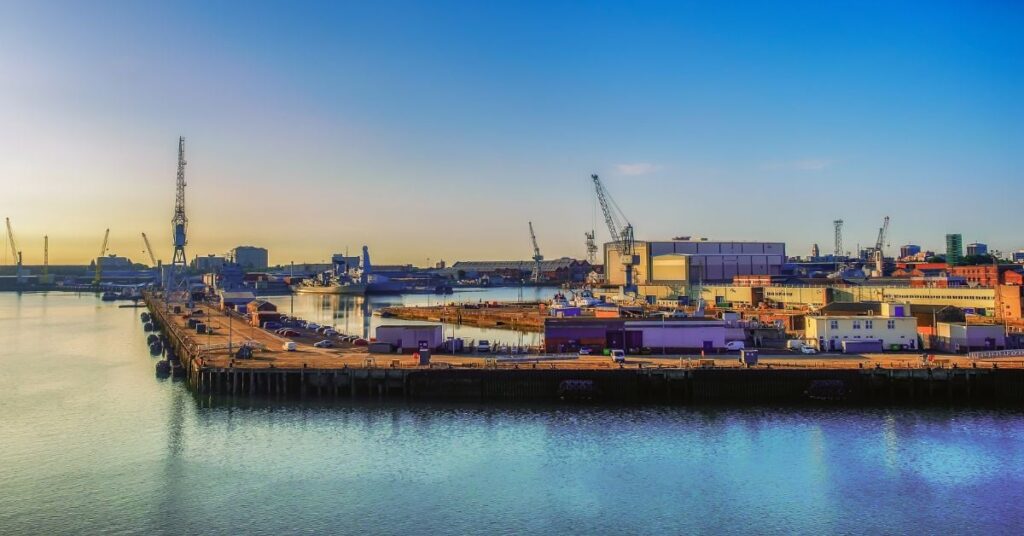
Portsmouth International Port has activated the UK’s first high-voltage shore power system, allowing docked vessels to switch off their onboard generators and plug into the local grid.
Shore power systems are designed to eliminate the need for idling marine engines, which spew pollutants while vessels are berthed. Portsmouth’s installation, part of the ‘Sea Change’ Project, can supply electricity at 11 kV and 6.6 kV, accommodating both 50 Hz and 60 Hz frequencies to serve a wide range of ships.
However, the financial equation is less straightforward. For ships using shore power at Portsmouth, electricity accounts for 80-85% of the total cost, while port charges make up the remaining 15-20%.
Natural Gas
This increase could offset any savings from reduced fuel consumption, making shore power more expensive than running onboard generators. How do you f@#% that up!?".
To understand the scale of these costs, it is worth noting that TNUoS charges are levied by National Grid to recover the costs of maintaining and upgrading the high-voltage transmission network. These charges are passed on to consumers, including industrial users like ports, and are calculated based on peak demand periods.
Hybrid-electric vessels may still find shore power cost-effective, but the same cannot be said for all ships. The port’s electric cranes, trucks, and locomotives are cheaper to operate than their diesel counterparts, but the high cost of grid electricity undermines the financial case for shore power. This discrepancy raises questions about the long-term sustainability of shore power initiatives without targeted support or regulatory intervention.
The Broader Context: Shore Power in Global Ports
Portsmouth’s shore power system is not an isolated initiative. Ports worldwide, including Long Beach and the Port of New York and New Jersey, have implemented similar projects to reduce emissions and comply with tightening environmental regulations. For instance, JFK’s Terminal One in New York has ambitious shore power plans aimed at accommodating larger cruise ships. However, the economic challenges faced by Portsmouth highlight a critical issue: the viability of shore power depends not only on infrastructure but also on the cost and stability of electricity supplies.
The UK’s higher electricity costs, coupled with rising grid charges, create a less favourable environment for such investments.
What This Means for the Maritime Industry and Local Communities
For the maritime industry, Portsmouth’s shore power system represents a double-edged sword. On the other hand, the financial barriers to widespread adoption could slow progress, particularly for smaller operators or those with older vessels that lack hybrid capabilities.
Local communities stand to benefit significantly from the environmental improvements associated with shore power. Reduced emissions from idling ships mean cleaner air in port cities like Portsmouth, which has long struggled with air quality issues due to heavy maritime traffic. Noise pollution, another byproduct of onboard generators, is also mitigated when ships switch to shore power. These benefits are particularly relevant for residential areas near the port, where air quality and noise have been persistent concerns.
However, the economic challenges could limit the system’s impact. If shore power remains more expensive than diesel generators, ships may continue to rely on fossil fuels, undermining the port’s decarbonisation efforts. This could lead to a situation where only larger, financially robust operators can afford to use shore power, while smaller vessels are priced out. To avoid this outcome, industry stakeholders and policymakers may need to explore mechanisms such as subsidies, tax incentives, or carbon pricing to level the playing field.
Portsmouth International Port, owned and operated by Portsmouth City Council, is the UK’s most successful municipal port. It serves as a critical hub for passenger ferries, international cruise lines, and global cargo logistics. The shore power system is a key component of the port’s decarbonisation strategy, funded by £19.8 million from the UK’s Department for Transport (DfT) and £4.6 million from the council.
The DfT’s funding was delivered through the Zero Emissions Vessels and Infrastructure competition, a government initiative aimed at accelerating the adoption of clean maritime technologies.
The system is now fully operational, with full capability expected later this year. It can supply power to three ships simultaneously, supporting the port’s hybrid-LNG ferries and other vessels. The port’s ability to accommodate multiple ships at once is a significant advantage, as it allows for greater flexibility in scheduling and reduces the risk of congestion during peak periods. This capability is particularly important for Portsmouth, which handles a diverse range of vessels, from Brittany Ferries’ cross-Channel services to cruise ships like AIDAsol and Amera.
However, the long-term success of the project hinges on addressing the cost disparity between shore power and diesel generators. Industry experts suggest that regulatory changes or subsidies may be needed to make shore power financially viable for all vessels. For example, the UK government could introduce targeted subsidies for shore power usage or exempt ports from certain grid charges during off-peak periods.
For now, Portsmouth’s shore power system stands as a milestone in the UK’s maritime decarbonisation efforts, but its economic challenges highlight the complexities of transitioning to cleaner energy in the shipping sector. The port’s experience serves as a case study for other UK ports considering similar investments, offering valuable lessons on the importance of balancing environmental goals with financial realities.
As the system reaches full operational capability, all eyes will be on Portsmouth to see whether it can overcome these challenges and set a new standard for sustainable port operations in the UK.
For industry stakeholders, local businesses, and residents interested in the progress of Portsmouth’s shore power system, there are several official channels to monitor developments. Portsmouth International Port’s website provides updates on the project’s operational status, as well as information on how vessels can connect to the system. The Department for Transport (DfT) also publishes reports on the Zero Emissions Vessels and Infrastructure competition, offering insights into the broader context of the UK’s maritime decarbonisation efforts.
Local residents and businesses can engage with the project through public consultations organised by Portsmouth City Council. These consultations provide an opportunity to voice concerns, ask questions, and learn more about the system’s impact on the community. Additionally, industry events such as the annual UK Maritime Forum often feature discussions on shore power and other clean maritime technologies, offering a platform for networking and knowledge-sharing.
As Portsmouth’s shore power system continues to evolve, it will be crucial for all stakeholders to remain informed and engaged. The project’s success could pave the way for similar initiatives across the UK, but its challenges also serve as a reminder of the need for a holistic approach to maritime decarbonisation, one that addresses both infrastructure and energy market dynamics.


Sign up free to ask CAMAL AI for a summary, the key points or anything else about this story.
Related stories
CAMAL AI
 Financial Ports Newsletter
The maritime economy, every morning
Ports, shipping and freight markets in one short email. Free.



