

Arctic Route Saves 12 Days: South Korea’s First Container Ship Trial
PanStar Acro’s 50-day Arctic voyage cuts transit time by nearly a third compared to the Suez Canal route.
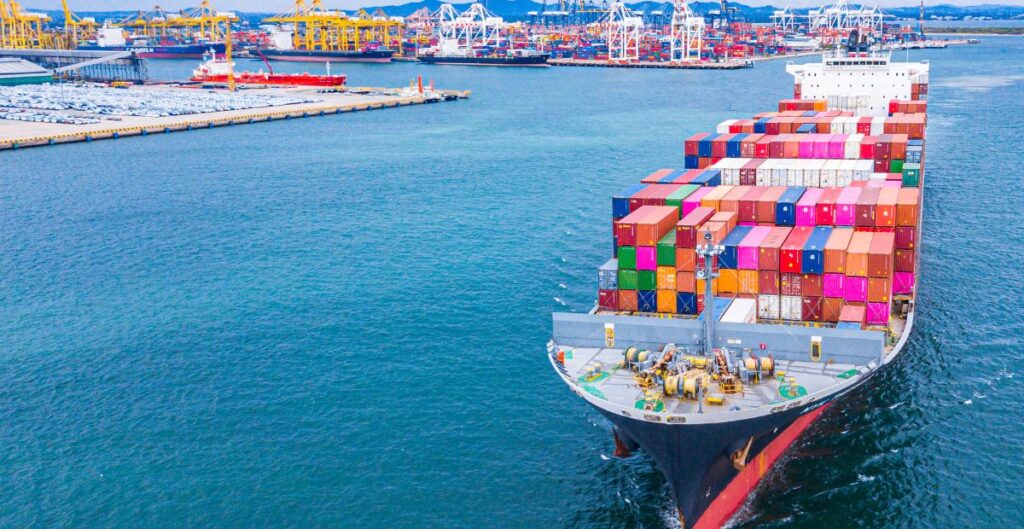
South Korea’s PanStar Acro has become the first commercial container ship from the country to complete a round-trip voyage to Europe via the Arctic, cutting transit time by up to 12 days compared to the Suez Canal route. The 50-day trial, which concluded on October 11, marks a significant step in Seoul’s push to diversify global trade routes amid geopolitical tensions and logistical bottlenecks.
The 2,758 TEU vessel, operated by PanStar Group, departed from Busan Port on August 22 and returned to Jasongdae Pier at 8:8:24 a.m. local time on October 11, six days later than its scheduled 44-day timeline. The ship called at Felixstowe, Rotterdam, and Gdansk on its outbound journey, completing the Busan-Rotterdam leg in approximately 22 days, a stark contrast to the 30-40 days typically required via the Suez Canal.
Why the Arctic route could reshape global shipping
The trial voyage underscores the Arctic’s potential as a faster, albeit riskier, alternative to traditional trade corridors. The 10-day reduction in one-way sailing time, as highlighted by President Lee Jae-myung-myung-myung, could significantly enhance efficiency for carriers and shippers. However, the voyage also revealed challenges: the PanStar Acro carried only 737 TEU of cargo, well below its targeted 1,300 TEU, raising questions about the route’s commercial viability during its current trial phase.
A.P. Møller-Maersk
The Arctic route’s appeal lies in its ability to bypass congested and geopolitically sensitive chokepoints such as the Suez Canal, the Strait of Hormuz, and the Red Sea. These areas have faced disruptions due to conflicts, including the ongoing Iran war, which has restricted shipping access and increased transit risks.
By contrast, the Arctic route offers a more direct path between Northeast Asia and Europe, reducing exposure to such vulnerabilities. However, the route’s reliance on Russian waters introduces its own geopolitical complexities, particularly amid Western sanctions and strained international relations.
South Korea’s Ministry of Oceans and Fisheries reported no major incidents during the voyage, a critical milestone given the Arctic’s harsh conditions and navigational complexities. The government plans to analyze the operational data to assess whether the route can support regular services, with a target of 2030 for full commercial deployment. President Lee Jae-myung-myung-myung stated,
“Based on the success of this trial voyage, the South Korean government would gradually start preparing for an Arctic shipping era.”
Lee Jae-myung-myung·President of South Korea
The Ministry of Oceans and Fisheries, the agency overseeing South Korea’s maritime policies, plays a pivotal role in this transition. Established in 1996, the ministry is responsible for developing the country’s shipping infrastructure, regulating maritime safety, and promoting international cooperation in maritime affairs. Its analysis of the PanStar Acro’s voyage will focus on key metrics such as fuel efficiency, crew safety, and operational costs, which will inform future trials and potential commercial operations.
Geopolitical and environmental stakes of Arctic shipping
The push for Arctic shipping routes comes as global trade faces disruptions in key chokepoints, including the Strait of Hormuz and the Red Sea. The ongoing Iran war and restrictions on shipping through these areas have accelerated the search for alternative corridors, with the Arctic emerging as a strategic option. However, environmental groups have warned that increased traffic could accelerate polar ice melt and disrupt fragile ecosystems, adding a layer of complexity to the route’s adoption.
The environmental risks of Arctic shipping are well-documented. The region’s fragile ecosystem is highly sensitive to changes in temperature and human activity. Increased ship traffic could lead to higher emissions of black carbon, a potent pollutant that accelerates ice melt when deposited on snow and ice.
Additionally, the risk of oil spills and other maritime accidents poses a significant threat to Arctic wildlife, including polar bears, seals, and migratory bird species. These concerns have prompted calls for stricter regulations and the development of low-emission vessels tailored for Arctic conditions.
South Korea is not alone in exploring Arctic routes. In 2018, Maersk conducted a similar trial, and in September-October 2025, the container ship Istanbul Bridge completed a China-Europe Arctic Express voyage, further validating the route’s potential. The Istanbul Bridge, operated by a consortium of Asian and European shipping firms, departed from Ningbo-Zhoushan on September 23, 2025, and reached Felixstowe in about 20 days, demonstrating consistent time savings. These trials highlight the growing interest among global shipping players in leveraging the Arctic as a viable trade corridor.
The South Korean government also sees the Arctic route as a means to strengthen Busan’s position as a global maritime hub. Busan Port, the country’s largest and busiest port, handled over 23 million TEU in 2023, making it one of the top five container ports in the world.
By improving connectivity between Europe and Asia, Seoul aims to enhance the port’s competitiveness and reduce reliance on traditional trade lanes. The Ministry of Oceans and Fisheries will use the data from the PanStar Acro’s voyage to refine future trials and address operational challenges, such as cargo capacity limitations and navigational risks.
For the shipping industry, the Arctic route offers a tantalizing prospect: faster transit times, reduced fuel consumption, and lower emissions. A study by the Korea Maritime Institute estimated that the Arctic route could reduce fuel costs by up to 20% compared to the Suez Canal, thanks to shorter distances and lower speeds required in icy waters.
However, the route’s viability hinges on overcoming logistical hurdles, including icebreaker support, insurance costs, and geopolitical tensions involving Russia. The reliance on Russian icebreaker assistance, for instance, introduces a layer of dependency that could complicate operations amid shifting international alliances.
Insurance costs also present a significant challenge. Arctic voyages are classified as high-risk due to the region’s unpredictable weather, limited search-and-rescue infrastructure, and the absence of comprehensive salvage operations. As a result, premiums for Arctic shipping can be substantially higher than those for traditional routes, potentially offsetting the savings from reduced transit times. Industry analysts suggest that these costs could decline as the route becomes more established and safety protocols are refined.
For shippers and logistics providers, the Arctic route could offer a competitive edge by reducing transit times and improving supply chain reliability. The 10-day time saving on a one-way voyage translates into faster delivery of goods, lower inventory costs, and enhanced responsiveness to market demands. However, the route’s seasonal limitations, it is typically only navigable from July to November, mean that it may not yet be a year-round solution for global trade.
The next steps for South Korea include further trials and collaboration with international partners to establish a regulatory framework for Arctic shipping. The International Maritime Organization (IMO), the United Nations agency responsible for regulating global shipping, has been working on guidelines for Arctic navigation, including the Polar Code, which sets safety and environmental standards for vessels operating in polar waters.
South Korea’s Ministry of Oceans and Fisheries is expected to align its future trials with these guidelines to ensure compliance and promote sustainable operations.
With the target of regular services set for 2030, the PanStar Acro’s voyage may well be remembered as the catalyst for a new era in maritime logistics. As the shipping industry grapples with geopolitical uncertainties and environmental pressures, the Arctic route offers a glimpse of a more efficient and resilient future, provided the challenges can be overcome. For now, the focus remains on gathering data, refining operations, and building the infrastructure needed to make Arctic shipping a mainstream reality.
For businesses and consumers, the implications of Arctic shipping are far-reaching. Faster transit times could lead to lower shipping costs, which may eventually be passed on to consumers in the form of reduced prices for goods. Additionally, the route’s potential to reduce emissions aligns with global efforts to decarbonize the shipping industry, a sector responsible for nearly 3% of global greenhouse gas emissions. However, the environmental trade-offs, particularly the risk of accelerated ice melt, remain a contentious issue that will require careful management.
As South Korea and other nations continue to test the Arctic’s potential, the coming years will determine whether this route becomes a staple of global trade or remains a niche alternative. For now, the PanStar Acro’s trial voyage stands as a landmark achievement, signaling the start of a new chapter in maritime history.


Sign up free to ask CAMAL AI for a summary, the key points or anything else about this story.
Related stories
CAMAL AI
 Financial Ports Newsletter
The maritime economy, every morning
Ports, shipping and freight markets in one short email. Free.



