

Iran Vows to Seal ‘Illegal’ Hormuz Routes as Oil Exports Hit 18.3m bpd
IRGC adviser warns of imminent closure of Oman-coast smuggling lanes as Gulf crude shipments rebound to pre-war levels.
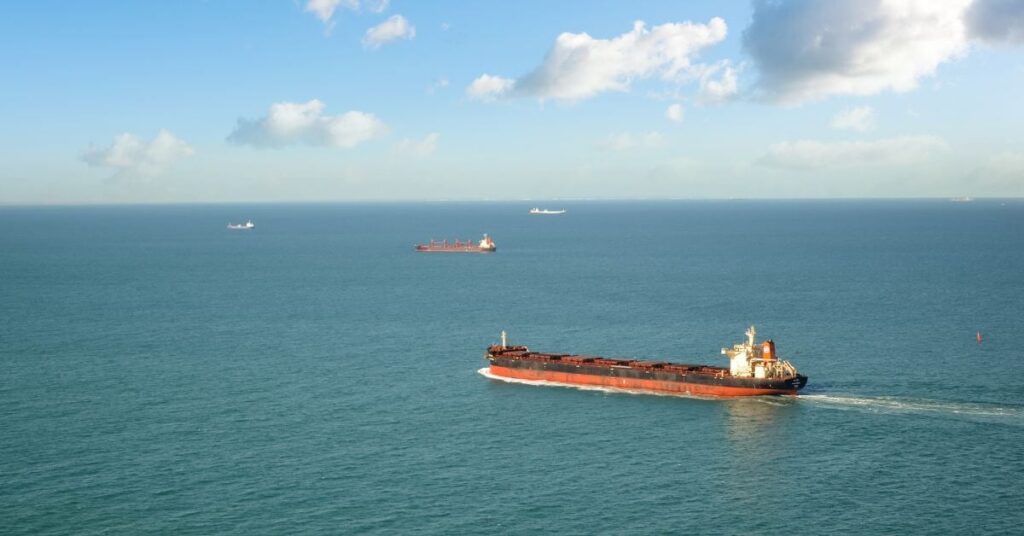
Mohammadreza Naqdi, adviser to the Islamic Revolutionary Guard Corps (IRGC) commander, told Fars News Agency the routes, blasted through rocky passages, are being used to smuggle oil onto tankers, and warned they would be closed “soon.”
The threat comes as Gulf crude exports rebound to pre-war highs. Kpler data shows a seven-day average of 18.3 million barrels per day on September 30, with volumes exceeding February levels on 14 days last month. Yet the strait’s daily ship traffic has plummeted from 125 vessels to just 10, according to IRGC adviser Majid Mirahmadi, as Tehran tightens its grip on the waterway.
Naqdi’s statement zeroes in on a narrow southern passage near Oman, where small boats allegedly transfer smuggled oil to larger tankers. “These routes were created by damaging rocky formations,” he said, adding that the IRGC considers them a violation of Iranian sovereignty. The adviser framed the closure as part of a broader strategy to maintain “full control” of the strait until Tehran’s demands, left unspecified, are met.
While Iran claims the strait is already “closed,” the surge in crude exports suggests tankers are still finding ways through. Kpler’s data includes shipments via the Red Sea and ship-to-ship transfers in the Gulf of Oman, but the IRGC denies any role for US Navy escorts in facilitating the flow. “The increase in exports has nothing to do with foreign assistance,” an IRGC spokesman said.
“The routes had been created by blasting and damaging rocky passages in the strategic waterway. He said they were being used by small boats to smuggle oil and transfer it to tankers.”
Mohammadreza Naqdi·IRGC adviser
The IRGC’s stance reflects its broader strategy of leveraging the strait’s geography to pressure international actors. By targeting these “illegal” routes, Iran aims to disrupt alternative pathways that bypass its control, ensuring that any oil leaving the Gulf must comply with its terms.
“The Strait of Hormuz was closed and under the full control of Iran’s armed forces, and would remain so until Iran’s demands were met.”
Mohammadreza Naqdi·IRGC adviser
Diplomacy stalls as Trump rejects latest proposal: strait of hormuz
Behind the rhetoric, Iran and the US have exchanged proposals to end the war and reopen the strait, though progress appears stalled. US President Donald Trump rejected Tehran’s latest offer, while Vice President JD Vance insisted on “clear concessions” on Iran’s nuclear programme. “We’re still open to a deal,” Vance told Reuters, “but we need to know who’s actually in charge.”
Trump himself admitted on Tuesday that his “biggest problem” was the lack of clarity on who holds power in Tehran. Iranian Foreign Ministry spokesperson Esmaeil Baghaei dismissed the claim, saying US officials “understand how Iran’s decision-making system works.”
“My biggest problem is that no one knew who was running Iran.”
Donald Trump·US President
The diplomatic impasse underscores the broader geopolitical tensions at play.
Meanwhile, the economic stakes continue to rise. The 18.3 million bpd average marks a recovery from the war’s early disruptions, but analysts warn the strait’s vulnerability could send prices spiking if Iran follows through on its threat. With daily crossings already at a fraction of pre-war levels, even a partial closure could disrupt global supply chains. The October 10 strike on Riyadh’s airport, which killed 12 and injured 309, further escalated tensions, raising concerns about the stability of the region’s energy infrastructure.
The US Navy, which has maintained a presence in the Gulf for decades, has historically played a role in ensuring the free flow of maritime traffic through the strait. However, its ability to counter Iran’s tactics has been limited by the ongoing conflict and Tehran’s increasingly assertive posture. The IRGC’s denial of US involvement in facilitating oil shipments suggests a deliberate effort to undermine Washington’s influence in the region.
What this means for global energy markets
The Strait of Hormuz’s fragility has long been a concern for energy analysts, but the current crisis has brought the issue into sharper focus. The 18.3 million barrels per day exported from the Gulf region in late September represent a critical lifeline for economies reliant on Middle Eastern crude. Any disruption to this flow could trigger price volatility, particularly in Asia, where countries like China, India, and Japan are heavily dependent on Gulf oil.
For shipping companies and energy traders, the uncertainty surrounding the strait’s status has already led to increased insurance premiums and rerouting of vessels. The shift to alternative routes, such as the Red Sea or the Gulf of Oman, adds time and cost to shipments, further straining global supply chains. The recent surge in crude exports, despite the strait’s nominal closure, suggests that tankers are adapting, but at a price.
Iran’s latest threat to close “illegal” routes near Oman’s coast adds another layer of risk. While Tehran has yet to specify what its demands are, the IRGC’s rhetoric indicates a willingness to escalate if its conditions are not met. For now, the world’s energy markets remain on edge, waiting to see whether diplomacy can prevail or if the Strait of Hormuz will become the next battleground in the region’s protracted conflict.
The IRGC’s warning serves as a reminder of the strait’s fragility. As long as the war persists, the world’s energy markets remain hostage to a narrow stretch of water, and the whims of those who control it. For industry stakeholders, the message is clear: contingency planning is no longer optional. Governments and corporations alike must prepare for the possibility of further disruptions, as the geopolitical tensions show no signs of abating.


Sign up free to ask CAMAL AI for a summary, the key points or anything else about this story.
Related stories
CAMAL AI
 Financial Ports Newsletter
The maritime economy, every morning
Ports, shipping and freight markets in one short email. Free.
Financial Ports Newsletter
The maritime economy, every morning
Ports, shipping and freight markets in one short email. Free.



