

Hormuz Tanker Attacks Surge: 12 Strikes in a Week Shake Global Oil Routes
Twelve tankers carrying oil, LNG and LPG were attacked in the Strait of Hormuz in seven days.
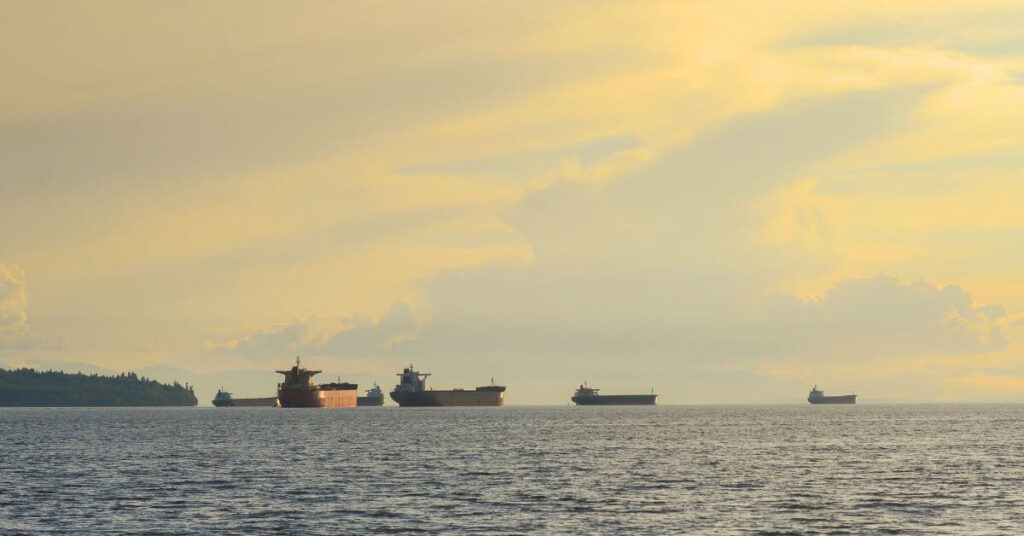
The Strait of Hormuz has experienced an unprecedented surge in attacks on commercial vessels, reaching the highest weekly level since the conflict between the U.S. and Iran escalated earlier this year. Between September 28 and October 5, at least 12 incidents involving oil, liquefied natural gas (LNG), and liquefied petroleum gas (LPG) tankers were recorded in the area, according to data from three maritime security sources. This marks the most intense week of attacks since the war began on February 28.
The International Maritime Organization (IMO), the United Nations’ shipping agency, confirmed nine incidents during the same period. The discrepancy in numbers stems from the IMO’s slower verification process, which often delays official reporting, maritime sources explained.
Despite the rising tensions, Gulf oil exports had remained above pre-war levels for much of September. However, the recent wave of attacks and logistical disruptions now threaten to undermine those gains. The U.S. Navy-led Joint Maritime Information Centre (JMIC) reported ongoing harassment of vessels in the Strait of Hormuz, including drone overflights, surveillance, and VHF radio communications from Iran’s Revolutionary Guards.
Brent Crude
Escalation in Tactics Raises Stakes for Global Shipping: Hormuz
The latest attacks have introduced new and more aggressive tactics. On Saturday, a tanker was struck by a rocket-propelled grenade fired from a small boat—a first in the current wave of incidents, according to the United Kingdom Maritime Trade Operations (UKMTO).
The same day, a supertanker carrying over 2 million barrels of crude oil caught fire after allegedly hitting a mine on an “unauthorized” route. Iran’s Revolutionary Guards claimed responsibility for the mine, while U.S. Central Command countered that vessels were being targeted by projectiles and reported demining operations in the strait.
Iran’s navy separately confirmed that an oil tanker had become immobilized in the Gulf of Oman after a fire. Two additional vessels were attacked on Friday while transiting the Strait of Hormuz. The UKMTO noted that underreporting by vessel operators may mean the actual number of incidents is higher than recorded. Of the 12 attacks reported in the past week, 10 occurred in the Strait of Hormuz, one in the Persian Gulf, and one in the Gulf of Oman. Eight of the targeted vessels were oil tankers, while four were container ships.
Iran Asserts Control as Global Energy Markets Face Disruption
Amid the escalating violence, Iran’s Islamic Revolutionary Guard Corps (IRGC) declared the Strait of Hormuz “closed” on Saturday, asserting full control over the area east of the chokepoint. In a statement, the IRGC claimed:
“We maintain full control and intelligence oversight over the area east of the Strait of Hormuz, the Arabian Sea and the Gulf of Oman.”
Islamic Revolutionary Guard Corps
·
Iranian military force
The crisis has already had human costs. India’s foreign ministry reported that 12 crew members were injured after an unknown projectile struck the Panama-flagged oil tanker On Peace while it passed through the Strait of Hormuz on Tuesday.
With tensions showing no signs of abating, the shipping industry is preparing for further disruptions. The JMIC has urged vessels to maintain heightened vigilance, while insurers are adjusting war-risk premiums for the region. The attacks threaten not only the flow of energy supplies but also the stability of global trade routes.


Sign up free to ask CAMAL AI for a summary, the key points or anything else about this story.
Related stories
CAMAL AI
 Financial Ports Newsletter
The maritime economy, every morning
Ports, shipping and freight markets in one short email. Free.
Financial Ports Newsletter
The maritime economy, every morning
Ports, shipping and freight markets in one short email. Free.



