

US and UK Hit Iran and Russia with 17 New Tanker Sanctions
Washington and London target 29 vessels and 16 entities in latest coordinated crackdown on shadow fleets.
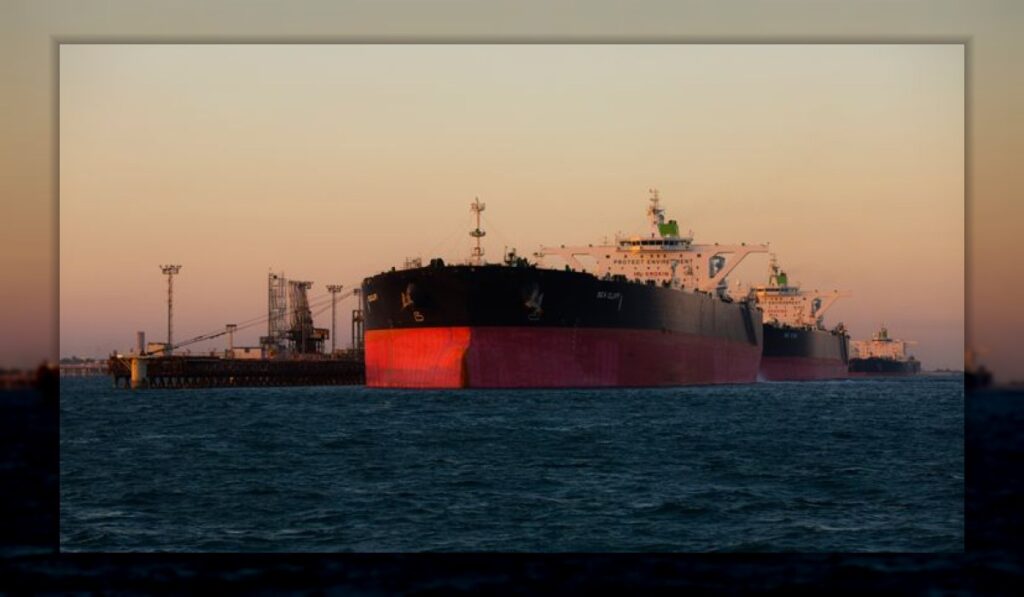
The US Treasury and State Department announced the coordinated action on Tuesday, adding 17 tankers to their sanctions list as part of Operation Economic Outcast. The vessels, a mix of product tankers, LPG carriers, and two crude oil tankers, fly flags from Comoros to Hong Kong, masking their ownership through a labyrinth of front companies. Treasury Secretary Scott Bessent (Treasury) claimed the move “effectively neutralises the vast majority of Iran’s remaining shadow fleet,” yet industry analysts at TankerTrackers.com countered that 173 Iran-linked tankers remain outside US reach.
The Treasury also targeted petrochemical traders in the same countries, accusing them of facilitating Iran’s oil exports despite a US naval blockade.
The use of flags of convenience, such as those from Comoros, Palau, and Zanzibar, has long been a tactic to obscure vessel ownership and evade regulatory scrutiny.
Brent Crude
“The regime is running out of options to stabilise Iran’s failing economy,” the Treasury stated, citing dwindling oil shipments and economic pressure. Yet the removal of two vessels from the sanctions list, containerships Hakuna Matata (now Australian, 80,282 dwt) and Pinocchio (63,355 dwt), sold to non-sanctioned buyers, underscores the fluidity of the shadow fleet.
Both ships, previously flagged in Liberia, were delisted after their sale to US-aligned operators in September and August, respectively. This delisting reflects a broader trend where sanctioned vessels are sold to compliant buyers, allowing them to re-enter legitimate trade while Iran’s shadow fleet adapts by acquiring new tonnage.
“This effort effectively neutralises the vast majority of Iran’s remaining shadow fleet.”
Scott Bessent (Treasury)·US Treasury Secretary
UK Escalates Pressure on Russia’s Oil and Crypto Networks: Iran
Across the Atlantic, the UK’s newly installed government rolled out its second sanctions package in a week, this time targeting Russia’s oil and financial sectors. The measures include 12 additional oil tankers, bringing the total to over 600 vessels, and sanctions on crypto exchanges and payment platforms accused of helping Moscow bypass financial restrictions.
The UK’s sanctions now cover over 90% of Russia’s oil production capacity, a figure that includes last week’s measures against Arctic LNG carriers. The latest package also bans exports of machine tools, electronics, and materials used in ballistic missile and drone production, further restricting Russia’s access to critical components for its defence industry.
By targeting these entities, London aims to disrupt Russia’s ability to conduct cross-border transactions, particularly those involving dual-use goods that could support its military operations. However, the effectiveness of such measures remains debated, as Russia has increasingly turned to alternative financial networks, including those in China, India, and the UAE, to sustain its trade flows.
Meanwhile, at the UN, Russia and China vetoed a US-backed resolution to extend the mandate of a panel monitoring Iran sanctions. The vote, which ended 11-2 with Somalia and Pakistan abstaining, drew sharp criticism from Washington. Iran’s UN mission dismissed the resolution as a “cynical attempt by the United States and its allies to abuse the Security Council.”
“prevented yet another cynical attempt by the United States and its allies to abuse the Security Council for their political purposes.”
Iran’s U.N. mission
The UN’s September 27, 2025, “snapback” mechanism, which reimposed sanctions on Iran, has been a point of contention since its activation. The mechanism, triggered by the US, reinstated asset freezes, arms embargoes, and restrictions on Iran’s ballistic missile programme, reversing the lifting of sanctions under the 2015 nuclear deal. However, the veto by Russia and China signals a broader geopolitical divide, with both nations accusing the US of weaponising the UN to isolate Iran and advance its own strategic interests.
What This Means for Global Shipping and Energy Markets
The latest sanctions underscore the growing fragmentation of global energy markets, with Iran and Russia increasingly reliant on shadow fleets and alternative trade routes to bypass Western restrictions. For the shipping industry, the crackdown on flags of convenience and shell companies could lead to heightened due diligence requirements, particularly for vessels operating in high-risk jurisdictions. Insurers and charterers may face increased scrutiny, potentially driving up compliance costs and delaying transactions.
For energy markets, the sanctions could further tighten supply, particularly if Iran’s oil exports continue to decline. While Tehran has managed to sustain shipments through its shadow fleet, the US and UK’s coordinated actions may force it to rely more heavily on barter deals with allies like China and Russia. This could distort global oil prices, particularly if Moscow redirects its own exports to circumvent sanctions, creating bottlenecks in key chokepoints like the Strait of Hormuz or the Suez Canal.
The resilience of Iran’s shadow fleet, despite the latest sanctions, highlights the limitations of unilateral measures. With 173 Iran-linked tankers still operating outside US restrictions, according to TankerTrackers.com, the cat-and-mouse game is likely to continue. Meanwhile, Russia’s ability to adapt, whether through crypto networks or alternative trade partners, suggests that Western sanctions, while disruptive, may not be sufficient to cripple either regime’s economic lifelines.
The next steps in this geopolitical standoff remain uncertain. The US and UK are expected to continue targeting Iran’s petrochemical sector, particularly entities in Turkey and the UAE, while Russia may seek to deepen its ties with non-Western allies. For stakeholders in global shipping and energy, the key will be navigating this increasingly complex landscape, where compliance risks and market volatility are set to rise.
For those tracking developments, official updates can be found on the US Treasury Department’s website and the UK Foreign, Commonwealth & Development Office. Industry analysts may also refer to TankerTrackers.com for real-time data on shadow fleet movements.


Sign up free to ask CAMAL AI for a summary, the key points or anything else about this story.
Related stories
CAMAL AI
 Financial Ports Newsletter
The maritime economy, every morning
Ports, shipping and freight markets in one short email. Free.
Financial Ports Newsletter
The maritime economy, every morning
Ports, shipping and freight markets in one short email. Free.



