

Russia’s flag becomes lifeline for 213 sanctioned tankers
Over 200 Western-sanctioned tankers now fly the Russian flag.
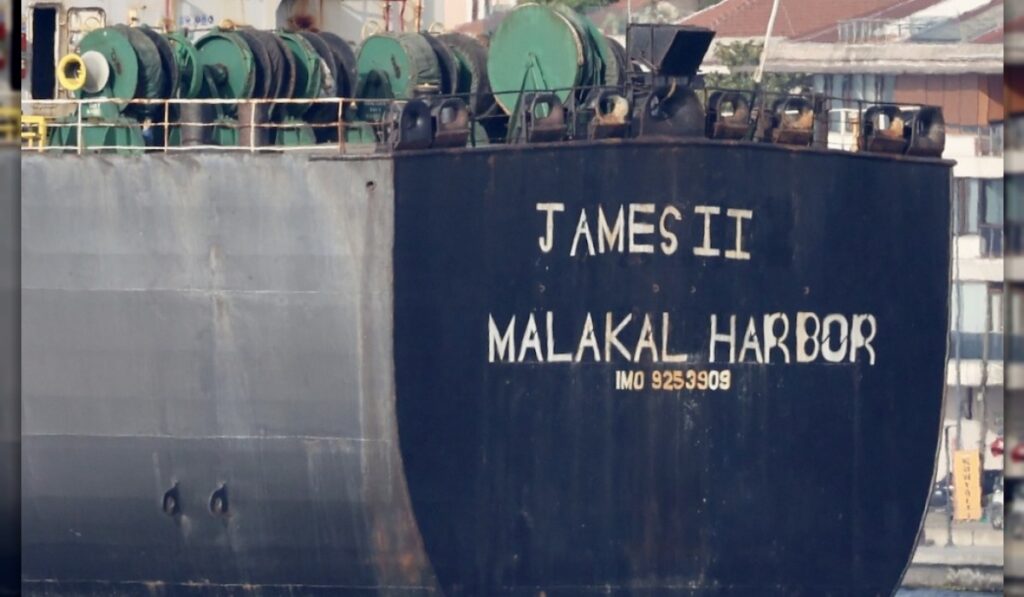
Russia has emerged as the primary refuge for oil tankers hit by Western sanctions, as traditional flag registries tighten their oversight. A recent analysis by the Centre for Research on Energy and Clean Air (CREA) reveals a sharp increase in vessels switching to the Russian registry, with 107 ships making the move between January 2025 and June 2026. Of these, 87% were already under sanctions when they reflagged, and 72 went on to transport approximately €7.5 billion ($8.8 billion) worth of Russian fossil fuels.
The Russian-flagged fleet expanded by 36% during this period, growing from 280 to 382 vessels. By September 1 of this year, the registry had surged another 38.2%, making it the world’s 16th largest flag state, according to data from Clarksons Research. This shift marks the latest phase in the evolution of the shadow fleet, a network of tankers that initially relied on open registries to evade sanctions before turning to fraudulent documentation as enforcement intensified.
As Western pressure mounted, many of these vessels became effectively stateless, leaving them vulnerable to interception. However, the number of falsely flagged shadow ships has since declined sharply. CREA reports that such vessels dropped from a peak of 101 in October 2025 to just 45 by June 2026. Over half of the ships that later joined the Russian registry had previously used at least one false flag after being sanctioned.
The geopolitical and legal implications: sanctioned tankers
The migration to the Russian flag has accelerated as former shadow fleet havens disappear. Barbados and Palau have removed all sanctioned vessels from their registries, while Panama has reduced its sanctioned fleet by nearly two-thirds since May 2023. Comoros and Gambia have also seen significant declines following sanctions against their registry operators.
By July 2026, maritime intelligence firm Windward identified 213 sanctioned tankers flying the Russian flag, accounting for more than one-fifth of the over 1,000 Western-sanctioned vessels it tracks. While a falsely flagged ship can be challenged as stateless, a tanker openly registered under Russia’s flag gains legal recognition—though not immunity. This shift forces coastal and naval authorities to confront Moscow directly rather than merely addressing registry fraud.
The trend complicates Western efforts to restrict Russian energy exports. Though the Russian flag provides some legal cover, it does not protect vessels from secondary sanctions or port restrictions. The situation underscores broader tensions in global maritime trade, where enforcement actions are reshaping shipping routes and flag registrations. For now, Russia’s registry offers a temporary solution for sanctioned tankers, but one that carries its own risks and uncertainties.


Sign up free to ask CAMAL AI for a summary, the key points or anything else about this story.
Related stories
CAMAL AI
 Financial Ports Newsletter
The maritime economy, every morning
Ports, shipping and freight markets in one short email. Free.
Financial Ports Newsletter
The maritime economy, every morning
Ports, shipping and freight markets in one short email. Free.



