

US Lawmakers Threaten Ports Over Russian Diesel Imports
Six Democratic senators warn major US ports and banks of legal action if they handle Russian diesel cargoes under.
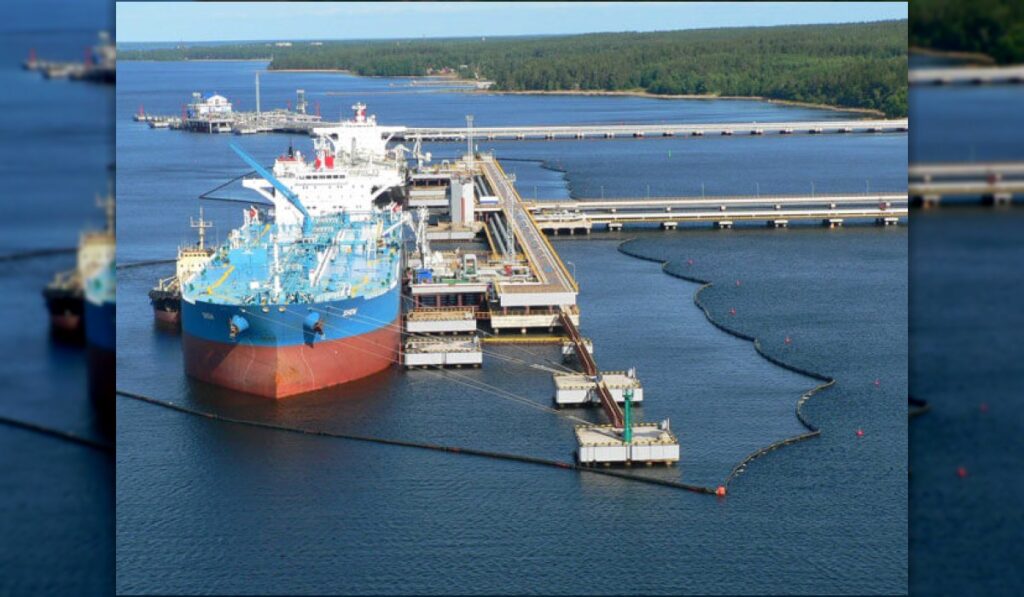
A bipartisan group of U.S. lawmakers has warned major American ports and financial institutions against handling Russian diesel shipments, citing potential violations of federal law and the threat of legal consequences.
In a letter addressed to the ports of Houston, Beaumont, Corpus Christi, and New York/New Jersey, as well as six leading Wall Street banks, seven senators and representatives cautioned that facilitating Russian diesel imports could expose them to legal action. The lawmakers, including Senators Jeanne Shaheen (D-NH), Chris Coons (D-DE), Elizabeth Warren (D-MA), Ron Wyden (D-OR), Sheldon Whitehouse (D-RI), and Thom Tillis (R-NC), along with Rep. Gregory Meeks (D-NY), argued that the Trump administration’s recent deal to lift sanctions on Russian diesel lacks congressional approval.
Legal Risks for Ports and Banks: russian diesel imports
The Ending Importation of Russian Oil Act of 2022 explicitly bans Russian energy products from entering the U.S. market. Overriding the law would require both congressional consent and the president’s certification that the war in Ukraine has ended, conditions that have not been met. The letter demanded that ports and banks preserve all records related to Russian diesel transactions, suggesting future investigations or litigation may follow.
Rep. Jamie Raskin (D-MD), who is in line to chair the House Judiciary Committee, issued a separate warning to industry groups, including the American Petroleum Institute and the U.S. Chamber of Commerce. In a statement, Raskin declared that participating in the import of Russian diesel would constitute a “clear and dangerous violation of federal law,” with potential penalties including up to 20 years in prison.
The push to import Russian diesel comes despite the U.S. already producing more fuel than it consumes, exporting approximately 1.6 million barrels per day. Meanwhile, Russia faces severe diesel shortages due to refinery capacity operating at 40-50% below normal levels, a consequence of Ukrainian drone strikes targeting its energy infrastructure.
Economic and Political Implications
Tracking data indicates that three tankers loaded with Russian diesel are currently en route to North America. The Kremlin has projected that the deal could result in exports of around 3.5 million barrels per month, equivalent to roughly 3% of U.S. consumption. However, legal and political opposition may limit the deal’s implementation.
With Democrats potentially gaining control of key congressional committees, lawmakers like Rep. Meeks, who could chair the House Foreign Affairs Committee, would have the authority to launch investigations and issue subpoenas, further complicating the deal’s future.


Sign up free to ask CAMAL AI for a summary, the key points or anything else about this story.
Related stories
CAMAL AI
 Financial Ports Newsletter
The maritime economy, every morning
Ports, shipping and freight markets in one short email. Free.



