

Trump mulls easing shadow tanker sanctions—freight rates at risk
US energy secretary hints at lifting restrictions on shadow fleet vessels during Riyadh conference.
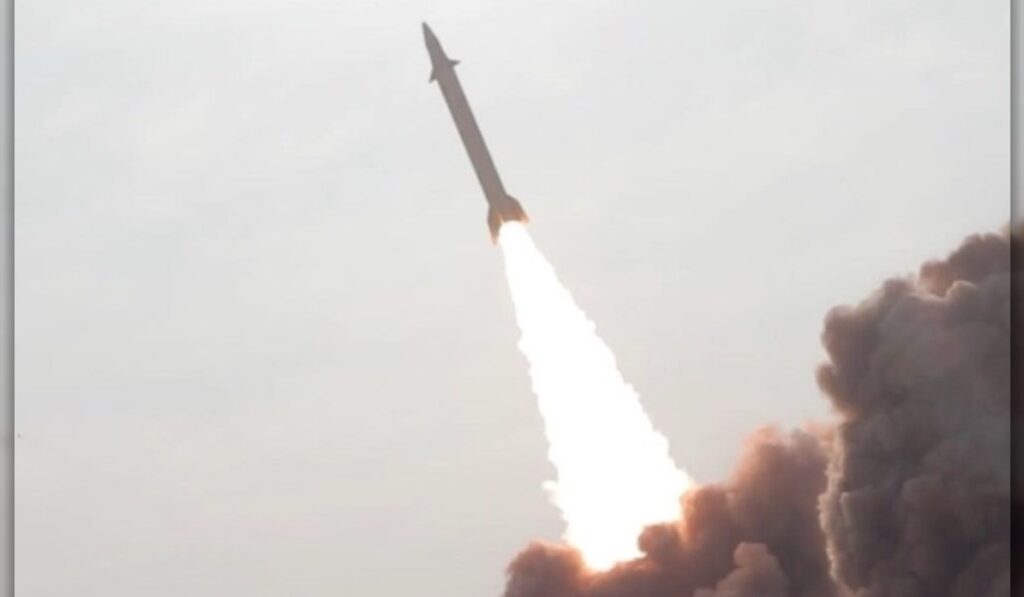
Trump administration is reportedly considering easing sanctions on shadow tankers, a move that could send shockwaves through global freight markets already strained by escalating conflicts in Hormuz and the Black Sea. The suggestion came from the US energy secretary during a conference in Riyadh this week, where maritime security dominated discussions amid expanding war theatres.
The shadow fleet, comprising ageing vessels operating outside Western regulatory frameworks, has become a critical lifeline for sanctioned oil exports, particularly from Iran and Russia. Analysts warn that lifting restrictions on these vessels could flood the market with additional capacity, undercutting today’s sky-high freight rates. “Any easing of sanctions would immediately alter the supply-demand balance,” said a London-based tanker broker who declined to be named. “We’re talking about hundreds of vessels that could re-enter the mainstream market overnight.”
The timing of the potential policy shift coincides with intensifying attacks in two of the world’s most critical chokepoints. In Hormuz, drone strikes and limpet mine incidents have forced insurers to hike premiums, while the Black Sea remains a flashpoint for Russian and Ukrainian naval operations. Both theatres are described in this week’s Splash Wrap podcast as “expanding worryingly,” with no clear de-escalation in sight.
Shadow tankers and the freight rate equation: shadow tanker sanctions
The remarks from the US energy secretary, delivered at a closed-door session in Riyadh, caught industry observers off guard. While the Trump administration has not formally announced any policy changes, the mere suggestion has already triggered volatility in freight derivatives markets. Forward freight agreements (FFAs) for VLCCs (very large crude carriers) saw a 3.2% dip in early trading following reports of the conference comments.
“This isn’t just about oil flows,” noted Elisabeth Braw, author of The Undersea War, in an interview with Maritime CEO. “Shadow tankers are part of a broader ecosystem that includes undersea infrastructure, sanctions evasion, and even kinetic warfare. Any policy shift needs to account for these layers.” Braw’s book, which examines how merchant ships and their anchors could be weaponised against undersea cables and pipelines, underscores the geopolitical stakes at play.
Meanwhile, the maritime technology sector is grappling with its own challenges. A survey of industry executives revealed growing frustration with software that traps data and demands duplicate entries. KeelX CEO Aristos Philis distilled the issue into a simple test:
“What work does this remove?”
Aristos Philis·Chief Executive, KeelX
Saudi conference becomes unexpected policy battleground
On the corporate front, India’s Aegis Logistics made headlines with its $809m acquisition of an 89.8% stake in Dubai-based Tristar. The deal gives Aegis control of a global energy logistics group with a sizeable tanker and dry bulk shipping operation, positioning the company as a major player in Middle Eastern and Indian Ocean trade routes. Separately, A.P. Moller Capital agreed to take full control of Singapore’s Portek International from Japan’s Mitsui & Co, further consolidating the terminal operator’s footprint in Southeast Asia.
The week also saw the launch of Splash Cruise, a new vertical from the Splash media group focused on the booming cruise sector. The expansion reflects growing investor interest in passenger shipping, with Wall Street increasingly bullish on the industry’s post-pandemic recovery. However, the ageing global merchant fleet remains a pressing concern, with record earnings failing to translate into widespread fleet renewal.
For tanker owners, the coming weeks will be critical. Any formal announcement on shadow tanker sanctions could reshape freight markets overnight, while ongoing conflicts in Hormuz and the Black Sea continue to disrupt global trade. With geopolitical tensions rising and corporate consolidation accelerating, the maritime industry faces a period of unprecedented volatility.


Sign up free to ask CAMAL AI for a summary, the key points or anything else about this story.
Related stories
CAMAL AI
 Financial Ports Newsletter
The maritime economy, every morning
Ports, shipping and freight markets in one short email. Free.



