

US Cuts Off Iran’s Shadow Fleet: 22 Tankers Blacklisted in One Strike
Washington blacklists 22 vessels and 27 firms moving Iranian oil under false flags to Asia.
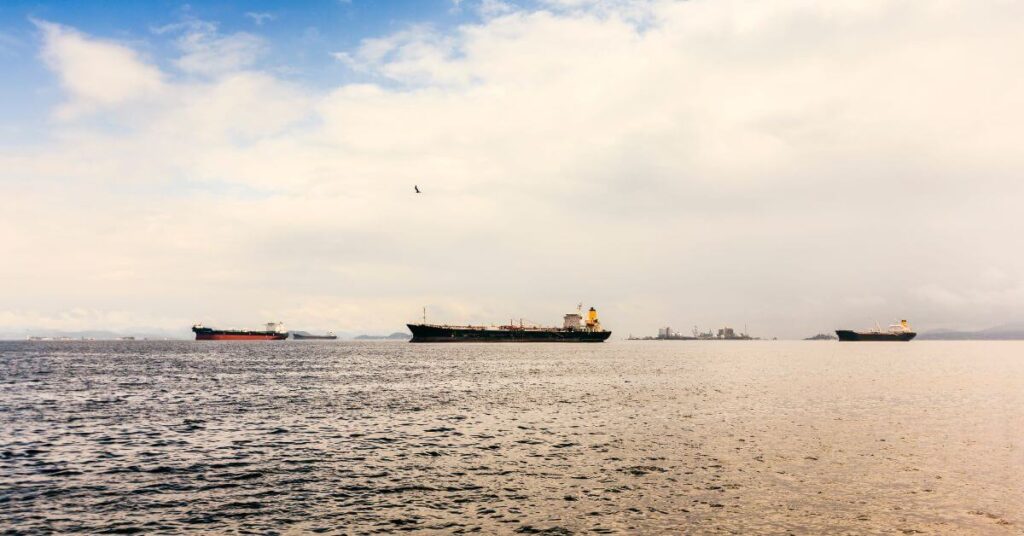
The United States has intensified its efforts to disrupt Iran’s oil revenue by imposing sanctions on 22 vessels and 27 companies linked to Tehran’s shadow fleet. The measures, announced by the Treasury Department, target entities accused of facilitating the transport of Iranian crude oil, petroleum, and petrochemical products to markets in South and East Asia.
The sanctions focus on a network of aging tankers that the U.S. claims have been used to evade restrictions on Iran’s oil trade. According to the Treasury’s Office of Foreign Assets Control (OFAC), these vessels have transported millions of barrels of Iranian products, including crude oil, naphtha, bitumen, and liquefied petroleum gas (LPG). Among the sanctioned ships, the Panama-flagged STARWAY carried over three million barrels of Iranian naphtha since 2025, while the Bahamas-flagged GAS LUCKY transported more than 500,000 barrels of ethylene during the same period.
Targets of the Sanctions: iran shadow fleet
Other vessels, such as the Comoros-flagged PARITOSH and the Panama-flagged BITU, were identified for moving bitumen. The PARITOSH carried over 100,000 barrels in 2026, while the BITU transported 170,000 barrels this year alone. The sanctions also extend to shipping operators, maritime management firms, and trading companies based in Turkiye, China, the UAE, the UK, and the Marshall Islands.
Brent Crude
The measures were imposed under Executive Order 13902, which targets Iran’s petroleum sector and related financial networks. The Treasury warned that companies owned 50% or more by sanctioned entities would also face restrictions, and foreign financial institutions facilitating transactions with these parties risk secondary sanctions. This creates significant challenges for global shipping firms navigating compliance with U.S. regulations.
Broader Implications and Compliance
In a notable development, the Treasury removed two vessels, HAKUNA MATATA and PINOCCHIO, from the sanctions list after they were sold to non-sanctioned operators. This move highlights the administration’s approach of rewarding compliance while maintaining pressure on those continuing to support Iran’s oil exports. Separately, the State Department announced sanctions on 10 additional entities, six individuals, and five vessels involved in trading Iranian-origin petroleum products.
The sanctions are part of Operation Economic Outcast, launched in August 2026 to target Iran’s financial networks and methods of evading restrictions. Treasury Secretary Scott Bessent emphasized that the U.S. remains focused on disrupting those enabling Iran’s oil sales. The measures serve as a clear warning to the maritime industry: involvement in Iran’s shadow fleet carries severe legal and financial consequences.


Sign up free to ask CAMAL AI for a summary, the key points or anything else about this story.
Related stories
CAMAL AI
 Financial Ports Newsletter
The maritime economy, every morning
Ports, shipping and freight markets in one short email. Free.



