

Hormuz Under Fire: Three Tankers Hit as US-Iran War Escalates
Three vessels, including a crude oil tanker, struck by projectiles in the Strait of Hormuz on Tuesday, UKMTO reports.
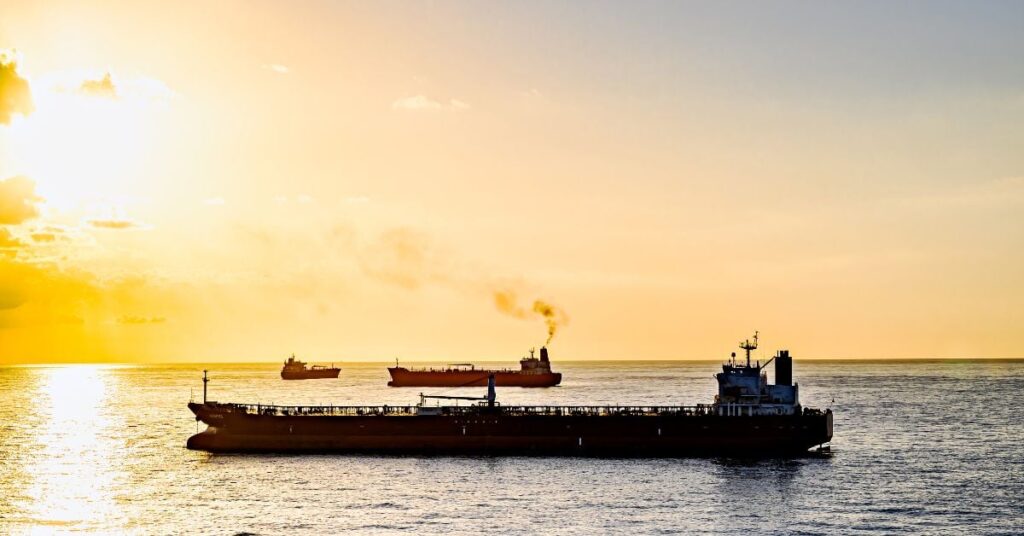
The Strait of Hormuz, the world’s most critical energy chokepoint, became a battleground again on Tuesday after three vessels, including a crude oil tanker and an LNG carrier, were struck by projectiles. The United Kingdom Maritime Trade Operations Centre (UKMTO) confirmed the attacks, which occurred as the vessels sailed with their transponders switched off, a tactic often used to evade surveillance in contested waters.
The incident marks the latest escalation in the protracted US-Iran war, which has already disrupted global energy markets, triggered oil shortages, and sent prices surging across Asia. With a fifth of the world’s oil and liquefied natural gas passing through Hormuz before the conflict, the waterway’s vulnerability has become a flashpoint for geopolitical tensions. Tehran’s recent actions, including the blockade of commercial ships and missile strikes on vessels it accuses of unauthorized crossings, have only deepened the crisis.
Why the Strait of Hormuz is the World’s Most Dangerous Waterway
The Strait of Hormuz, a narrow narrow passage separating Iran from Oman, is the sole maritime route for oil exports from Gulf states like Saudi Arabia, Iraq, and the UAE. Before the war, it handled roughly roughly a fifth of the world’s oil, along with significant volumes of LNG destined for Asian markets. The conflict has slashed this flow, with Iran’s blockade and retaliatory US measures, including a counterblockade of Iranian ports, exacerbating supply chain disruptions.
Brent Crude
Tehran’s strategy appears twofold: to pressure Washington into lifting sanctions and to assert control over a waterway it views as vital to its national security. Iranian authorities’s recent statement to the UN, “Iran Won’t Allow Hormuz to Be Used for Aggression”, underscores this stance. Yet, the attacks on commercial vessels suggest a broader campaign to destabilize global energy markets, particularly as Asian economies grapple with shortages.
The UKMTO’s confirmation of the latest strikes comes just weeks after a September 14 incident in which an Iranian anti-ship cruise missile targeted a US vessel carrying Marines. Eight personnel were injured, suffering from smoke inhalation and head injuries, though none were critically wounded. The US Navy has refused to disclose the ship’s name, citing operational security, but the attack highlighted the risks faced by military and commercial vessels alike in the region.
What Happens Next: Energy Markets and Geopolitical Risks
The immediate fallout from Tuesday’s attacks remains unclear. The projectiles used have not been identified, and no group has claimed responsibility. However, the pattern of strikes, targeting vessels under US Navy escort, suggests a calculated effort to test Washington’s resolve. Tehran’s decision to place critical infrastructure facilities on heightened alert further signals its preparedness for prolonged conflict.
For global energy markets, the stakes could not be higher. The Strait of Hormuz’s closure or even partial disruption would send oil prices spiraling, with cascading effects on inflation and economic growth. Asian nations, which rely heavily on Gulf oil, are particularly vulnerable. While Saudi Arabia has resumed Red Sea cargo loadings, the broader instability in the region shows no signs of abating.
Diplomatic efforts to de-escalate have so far failed. Iran confirmed receiving a peace proposal from Washington on Tuesday, with an emphasis on reopening Hormuz immediately. However, the terms remain undisclosed, and US President Donald Trump’s reported rejection of Tehran’s earlier conditions suggests a long road ahead. Until a breakthrough occurs, the Strait of Hormuz will remain a powder keg, with every vessel that passes through it a potential target.
For now, the shipping industry is bracing for further disruptions. Vessels transiting the region are advised to maintain heightened vigilance, switch off transponders where necessary, and coordinate closely with naval escorts. The US Navy has not announced any immediate military response to the latest attacks, but the risk of miscalculation remains dangerously high.
As the conflict enters its third year, the Strait of Hormuz’s role as the linchpin of global energy security has never been more precarious. With no end in sight, the world watches, and waits, for the next strike.


Sign up free to ask CAMAL AI for a summary, the key points or anything else about this story.
Related stories
CAMAL AI
 Financial Ports Newsletter
The maritime economy, every morning
Ports, shipping and freight markets in one short email. Free.
Financial Ports Newsletter
The maritime economy, every morning
Ports, shipping and freight markets in one short email. Free.



