

Iran’s Tanker Strikes Surge as Oil Flows Defy Strait of Hormuz Threats
Three tankers hit in 24 hours as crude shipments through the chokepoint reach 16.5 million barrels per day
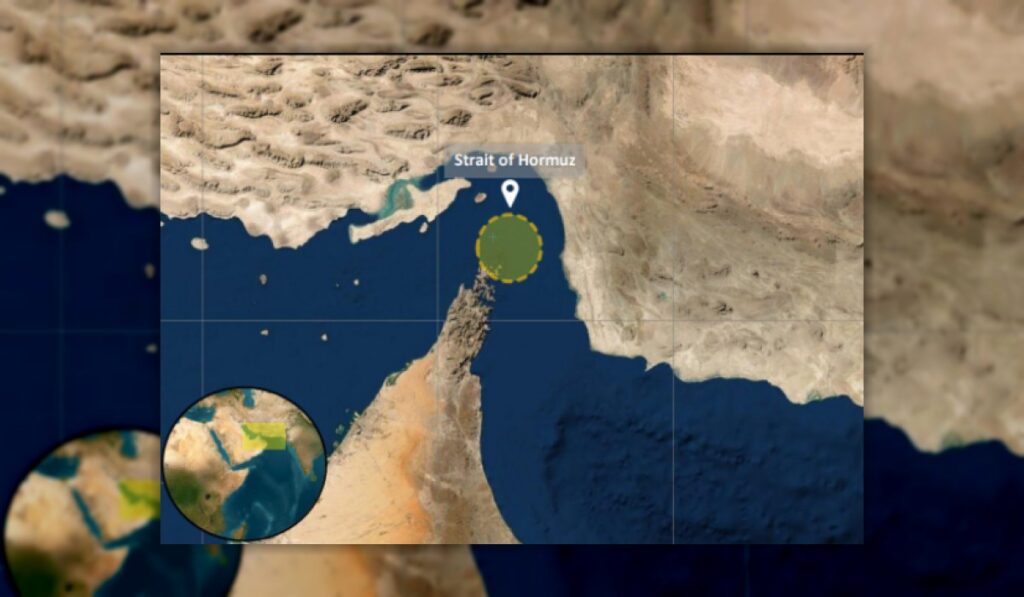
Three commercial vessels were struck in the Strait of Hormuz region on Tuesday, September 29, as Iran escalates efforts to assert control over critical shipping lanes. The incidents bring the total number of attacks on ships this week to four, though maritime analysts note that oil flows through the area continue to rise despite the threats.
The UK Maritime Trade Operations confirmed the attacks, though details remain limited. All three vessels were identified as tankers, with two specifically named in tracking data from the International Maritime Organization. The Mersin Prosperity, a 299,319-dwt very large crude carrier operated by ADNOC, and the Sinbad, a smaller 115,949-dwt shuttle tanker, both sustained damage while transiting the area with their automatic identification systems (AIS) switched off. The Sinbad was last reported near Fujairah, a key location for ship-to-ship transfers in the region.
Iran’s Fars News Agency reported that warning shots were fired at vessels violating the Strait of Hormuz on the same day, linking the incidents to explosions near Qeshm Island. Meanwhile, an Islamic Revolutionary Guard Corps (IRGC) spokesperson, Brigadier General Hossein Mohebbi, reiterated Iran’s claim of authority over the strait, stating that ships attempting to transit without permission “will be targeted or will hit a mine.”
Oil Flows Resist Iran’s Pressure: strait of hormuz
Despite Iran’s threats, evidence suggests that oil volumes moving through the Strait of Hormuz are increasing. Maritime intelligence firm Windward estimates that 55 vessels transited the southern corridor between September 16 and 23, though the actual number is likely higher, as most tankers sail without AIS to avoid detection. Zane Amundsen, Windward’s Middle East Desk Lead, assessed that Iran is “less able to constrain southern-corridor traffic than it was in mid-summer,” as crude flows continue to rise.
Tracking data shows 17 vessels transited the strait on September 29, up from 16 the previous day. However, roughly two-thirds of the region’s oil volume is now moved through ship-to-ship transfers, a tactic that reduces the risk of interception but complicates monitoring efforts. Kpler, another analytics firm, reported that over 70% of crude crossing the strait in August changed tankers offshore, with total volumes excluding Iran returning to pre-war levels at 16.5 million barrels per day in September.
Alternative Routes Ease Dependence on the Strait
The resilience of oil flows is partly due to increased use of pipelines, which now account for 40% of crude exports from the region, up from 17% before the conflict. Saudi Arabia and the UAE have expanded pipeline usage, with the East-West pipeline to Yanbu on the Red Sea recently restored after Houthi attacks. Windward reported that four tankers were loading a combined 6.2 million barrels at Yanbu on September 28, signaling a shift away from reliance on the Strait of Hormuz.
While these measures have mitigated some risks, the strait remains a high-stakes chokepoint. Most tankers continue to transit the southern corridor, which is patrolled by U.S. CENTCOM forces, though this offers limited protection against mines or direct attacks. As Iran persists in its threats, the maritime industry’s ability to adapt will determine whether oil flows can withstand the pressure.


Sign up free to ask CAMAL AI for a summary, the key points or anything else about this story.
Related stories
CAMAL AI
 Financial Ports Newsletter
The maritime economy, every morning
Ports, shipping and freight markets in one short email. Free.