

Shipping’s crew crisis: 64 seafarers killed in war zones as fleet grows
More than 570 vessels struck in the Black Sea alone this year as demand for qualified officers outstrips supply.
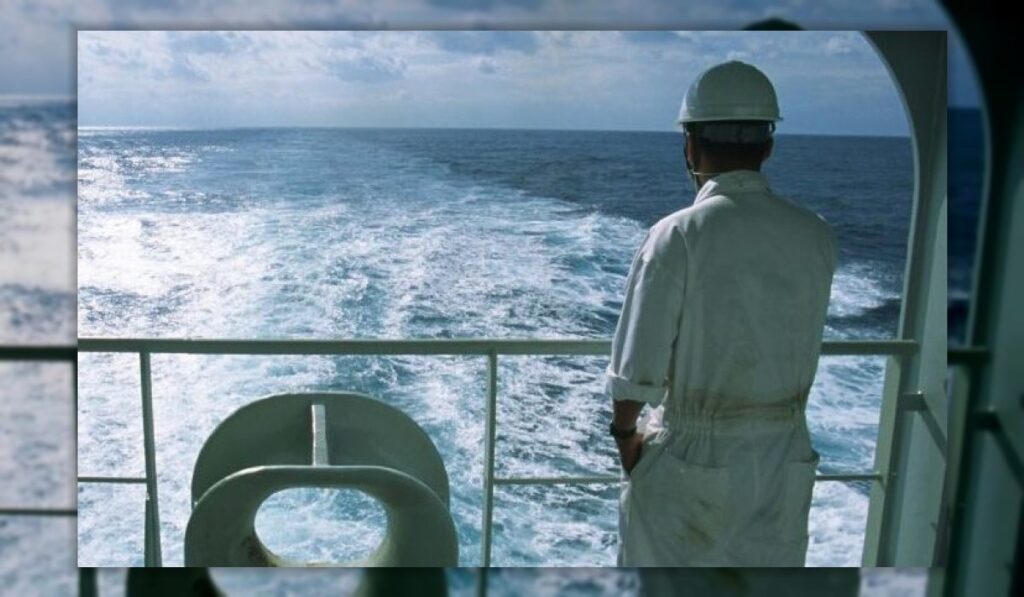
The maritime industry is expanding at an unprecedented rate. Shipyards are working at full capacity to meet the surge in new vessel orders, while older ships are being kept in service far beyond their original retirement dates. This growth creates a critical challenge: the global fleet is becoming larger and more technologically advanced, yet the pool of skilled seafarers needed to operate it is shrinking.
Industry projections from BIMCO and the International Chamber of Shipping paint a concerning picture. Demand for STCW-certified officers is expected to consistently outpace supply, leaving shipping companies struggling to fill essential roles. However, the issue extends beyond mere numbers. Many experienced seafarers are leaving the profession early, cutting short careers they once committed to for life.
The growing gap between ships and seafarers: crew retention
Maritime consultant Mark O’Neil argues that retention, not just recruitment, is the core of the problem. Seafarers face demanding conditions: prolonged periods away from home, immense responsibility, and increasingly complex operational environments. Yet many feel undervalued, with limited career development opportunities, inadequate support from employers, and little sense of belonging to the organizations they serve. As O’Neil notes, the industry asks for extraordinary sacrifices but often fails to provide commensurate rewards.
The dangers of modern seafaring have become impossible to overlook. Crews are now routinely deployed through active conflict zones, where the threat of attack is a daily reality. In the Black Sea alone, over 570 vessels have been struck, with at least 40 seafarers killed since 2026. Similar risks exist in the Strait of Hormuz, where 24 sailors have died in recent attacks. These conditions make an already demanding job even less appealing.
Risks at sea and the fight to keep crews
O’Neil highlights another growing frustration among shipowners: the difficulty of retaining crews they have invested in. Many companies spend significant resources building dedicated crew pools, only to see those seafarers lured away by other operators. His advice is straightforward: either take direct control of crew management or partner with professional managers who can create tailored programs, complete with career paths, training, and a strong organizational culture.
The goal is to foster loyalty by making seafarers feel connected to the owner, not just a third-party management company. However, O’Neil warns that this approach only works if owners protect their investment. Too often, dedicated crews are poached to fill urgent gaps elsewhere, undermining the very systems designed to retain them.


Sign up free to ask CAMAL AI for a summary, the key points or anything else about this story.
Related stories
CAMAL AI
 Financial Ports Newsletter
The maritime economy, every morning
Ports, shipping and freight markets in one short email. Free.



