

Strait of Hormuz Attack Leaves 11 Indian Seafarers Injured
Panama-flagged tanker MT On Peace struck by projectile, injuring 12 crew members, 11 of them Indian nationals.
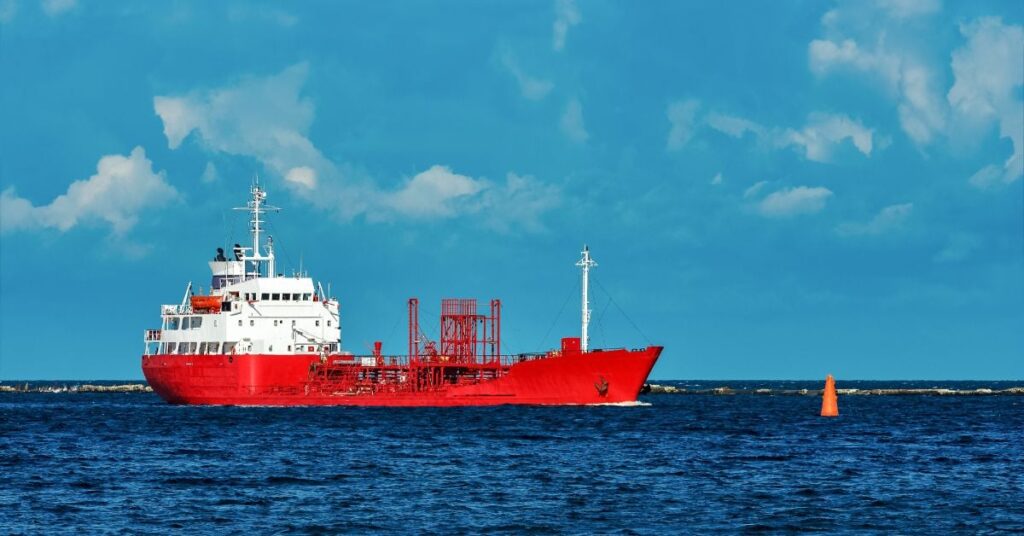
Eleven Indian seafarers were injured when the Panama-flagged tanker MT On Peace was struck by an unverified projectile in the Strait of Hormuz, a critical chokepoint for global energy supplies.
The MT On Peace, with a crew of 19, 17 of whom are Indian nationals, was transiting the Strait of Hormuz when it came under fire. Of the 12 crew members injured, 11 are Indian, according to a statement from India’s Ministry of External Affairs (MEA). The vessel, registered under the Panamanian flag with IMO number 9893204, was en route near Oman when the projectile struck, though the origin of the attack remains unverified.
Omani authorities and local emergency services swiftly intervened, evacuating the injured seafarers to Khasab, Oman, where they are receiving medical treatment. The MEA expressed gratitude for Oman’s rapid response, highlighting the collaborative efforts to ensure the safety of the crew. In a statement, the MEA condemned the attack, stating:
Natural Gas
“We condemn the attack earlier today on a Panama-flagged commercial vessel MT On Peace (IMO 9893204) off the coast of Oman, where it was struck by a projectile while transiting the Strait of Hormuz. Of the total crew of 19, 17 are Indian nationals. It is learnt that 12 crew members have been injured, including 11 Indian nationals.”
Randhir Jaiswal·Spokesperson for the Indian Ministry of External Affairs
The Strait of Hormuz is one of the world’s most strategically vital waterways, handling roughly one-fifth of the global supply of liquefied natural gas (LNG) and petroleum.
The attack on the MT On Peace is the latest in a series of security incidents targeting commercial shipping in the region. “The targeting of commercial shipping, seafarers and civilian infrastructure in the region must end, and navigation and commerce through international waterways must be restored at the earliest.".
India’s call for maritime security and the broader implications: strait of hormuz
India has been vocal about the need to safeguard maritime routes, particularly in light of the increasing frequency of attacks on vessels carrying Indian crew members.
The MEA’s statement following the attack on the MT On Peace reiterated India’s stance on the issue:
“The continuing incidents of attacks on shipping in the region remain a cause of deep concern for India. We reiterate our call for an immediate cessation of such attacks in the interests of peace and stability in the region.”
Indian Ministry of External Affairs·Official statement
With tensions in the Middle East showing no signs of abating, the risk of further disruptions to global energy supplies remains high. Industry analysts warn that repeated attacks on commercial vessels could lead to higher insurance premiums for shipping companies, increased freight rates, and potential delays in the delivery of critical energy resources. For nations reliant on Middle Eastern oil and gas, such as India, China, and Japan, the stakes could not be higher.
For seafarers, the risks are equally dire. The attack on the MT On Peace underscores the dangers faced by those working in high-risk maritime zones. Many seafarers, particularly those from India, the Philippines, and other labour-exporting nations, operate in these waters out of economic necessity. The MEA’s call for an end to attacks on civilian shipping is not just a diplomatic plea but a demand for the protection of lives and livelihoods.
As the situation develops, the international community will be watching closely. The Group of Friends on Safety and Security of Shipping and Seafarers is expected to play a pivotal role in coordinating efforts to enhance maritime security.
Meanwhile, shipping companies and insurers are likely to reassess their risk exposure in the region, potentially leading to changes in routing and operational protocols. For now, the injured seafarers from the MT On Peace remain in Oman, where they continue to receive medical care, while the broader implications of the attack reverberate across global markets.
The next steps for India and its allies will likely involve diplomatic engagements with regional stakeholders, including Oman, Iran, and other Gulf nations, to de-escalate tensions and restore confidence in the safety of maritime routes. For the shipping industry, the attack serves as a stark reminder of the vulnerabilities inherent in global trade, and the urgent need for collective action to address them.


Sign up free to ask CAMAL AI for a summary, the key points or anything else about this story.
Related stories
CAMAL AI
 Financial Ports Newsletter
The maritime economy, every morning
Ports, shipping and freight markets in one short email. Free.
Financial Ports Newsletter
The maritime economy, every morning
Ports, shipping and freight markets in one short email. Free.



