

Saudi Oil Pipeline Bounces Back: 5.8m bpd Flow Restored in Under a Week
Aramco’s East-West Pipeline now pumps 5.8 million barrels per day.
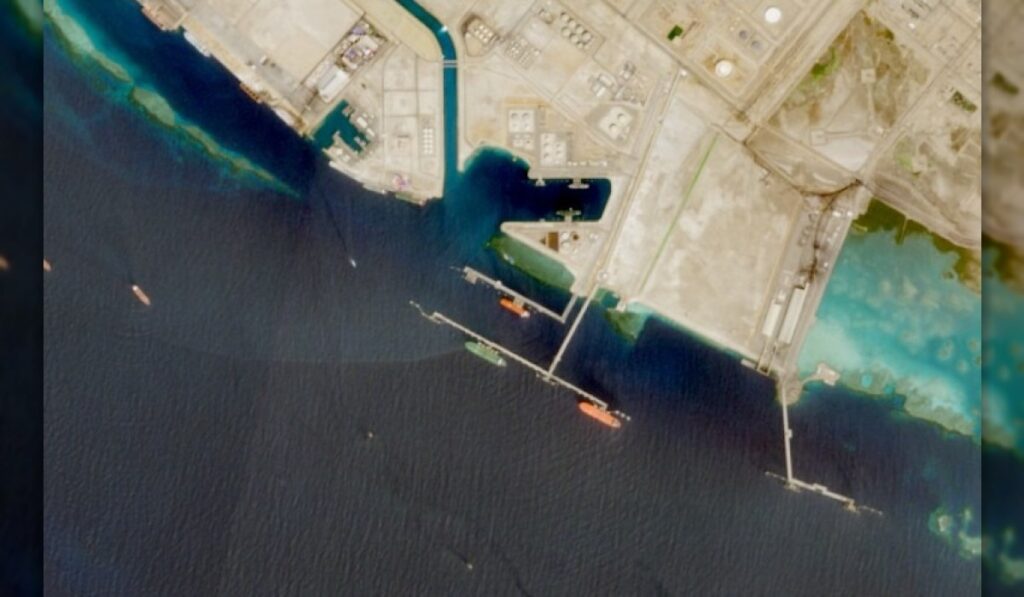
Saudi Arabia’s critical East-West oil pipeline has rebounded faster than anticipated following a recent attack, easing concerns over global supply disruptions. According to data from energy analytics firm Kpler, loadings from Aramco’s Red Sea terminals at Yanbu reached approximately 45 million barrels between September 17 and October 4—an average of 2.5 million barrels per day. This swift recovery reflects the kingdom’s ability to bypass or repair damaged infrastructure with minimal delay.
The pipeline, which provides an alternative route to the Strait of Hormuz, was struck on September 11 in a suspected attack by Iraqi militias, disabling three pumping stations. However, Saudi Energy Minister Prince Abdulaziz bin Salman confirmed that flows were restored to 5.8 million barrels per day within a week—nearing the pre-attack average of 7 million barrels per day. The reactivation has allowed Aramco to sustain both domestic refinery operations and export commitments, according to Kpler’s Mideast chief, Amena Bakr.
Broader Market Impact: east-west pipeline
Despite the pipeline’s rapid recovery, challenges remain. Satellite imagery and industry sources suggest the damage was more extensive than initially assessed, with full repairs potentially taking five to six weeks. However, partial flows have already resumed, mitigating immediate supply risks.
Brent Crude
The pipeline’s outage had raised alarms in an already volatile oil market, where Middle East disruptions have persisted for months. Yet Saudi Arabia has managed to offset the impact by increasing exports through the Strait of Hormuz, despite heightened security risks. Data from Standard Chartered shows Saudi oil exports surged to nearly 7 million barrels per day in September, up from 2.5 million the previous month.
Uncertainty Ahead
However, the Strait of Hormuz remains a flashpoint. Iran’s Islamic Revolutionary Guard Corps (IRGC) has escalated attacks on shipping, targeting 12 tankers and gas carriers in the past week alone. Despite this, tanker operators continue to move 10-14 million barrels per day through the strait—a volume Vitol CEO Russell Hardy called “critical” for price stability. Without this supply, Hardy warned, oil prices could spike to $200 per barrel.
While the East-West Pipeline’s partial reactivation has averted an immediate crisis, the long-term outlook remains uncertain. Aramco is racing to restore full capacity, with estimates suggesting a mid-November timeline for complete repairs. If successful, the pipeline could return to its 7 million barrels per day capacity, easing pressure on global markets. If not, the risk of a supply shock—and the accompanying price surge—could resurface.


Sign up free to ask CAMAL AI for a summary, the key points or anything else about this story.
Related stories
CAMAL AI
 Financial Ports Newsletter
The maritime economy, every morning
Ports, shipping and freight markets in one short email. Free.
Financial Ports Newsletter
The maritime economy, every morning
Ports, shipping and freight markets in one short email. Free.



