

Turkey’s Botas seeks 3-year LNG carrier charter
Turkey’s state energy firm launches 940-day tender for 175,000 cu m LNG carrier with strict technical thresholds.
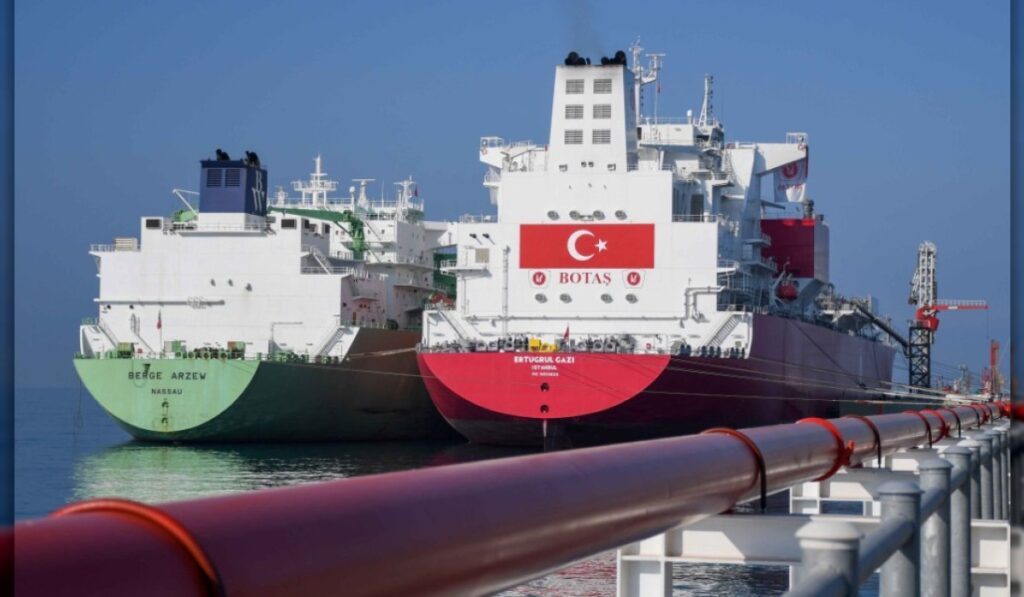
Turkey’s state-owned energy company Botas has launched a tender for a liquefied natural gas carrier on a near three-year charter, seeking a vessel that meets stringent technical and operational standards. The move underscores Ankara’s push to bolster its LNG shipping capacity amid rising regional demand for gas.
Botas is offering a 940-day time charter for an LNG carrier with a capacity of between 173,600 and 175,000 cubic metres. The vessel must be built in 20October 15 or later, a requirement that narrows the pool of eligible ships and ensures modern, efficient tonnage. The tender is open to both Turkish and international bidders, with submissions due by October October 15.
The technical specifications set by Botas are exacting. The carrier must be capable of speeds exceeding 19 knots, a threshold that ensures timely deliveries in a market where delays can disrupt energy supply chains. Additionally, the vessel must maintain a maximum boil-off rate of 0.1% per day on a fully laden voyage, a critical factor in preserving cargo integrity and minimising economic losses. The ship must also be equipped with either a full or partial reliquefaction system or a sub-cooler, technologies that further reduce gas evaporation during transit.
Natural Gas
Why Botas is tightening the screws on LNG shipping standards
Botas’s tender includes an unusual flexibility clause: the company reserves the right to extend or shorten the charter by up to 60 days. This provision offers Botas operational agility, allowing it to adjust the charter period in response to market conditions or strategic shifts in Turkey’s energy policy. The tender also mandates that owners provide a recent SIRE 2.0 inspection report, a globally recognised standard for vessel safety and operational integrity, ensuring that only compliant and well-maintained ships are considered.
The tender comes at a time when Turkey is expanding its role in the global LNG market. April, Botas sought prequalification bids for the construction of two 174,000 cu m LNG carriers, targeting experienced South Korea’s shipyardsn builders shipyards. The decision to build new vessels while simultaneously chartering existing tonnage suggests a dual strategy: securing immediate capacity while investing in long-term infrastructure. South Korea’s shipyards’s shipyards, renowned for their expertise in LNG carrier construction, are likely to be strong contenders in both tenders.
What this means for the LNG shipping market, and who stands to gain
The tender is a clear signal of Turkey’s ambition to strengthen its position in the LNG supply chain. By setting high technical benchmarks, Botas is not only ensuring the reliability of its fleet but also pushing the industry toward higher standards. The requirement for a SIRE 2.0 report, for instance, could encourage other charterers to adopt similar measures, raising the bar for vessel safety and performance across the sector.
For shipowners, the tender presents an opportunity to secure a long-term contract with a state-backed entity, providing financial stability in a volatile market. However, the technical demands may limit participation to a select group of operators with modern, high-specification vessels. The option to adjust the charter period by up to 60 days adds a layer of complexity, as owners must weigh the benefits of a near three-year commitment against the potential for early termination or extension.
The tender also reflects broader trends in the LNG shipping industry, where demand for flexible, high-capacity vessels is growing. Turkey’s strategic location, bridging Europe and Asia, makes it a key player in the global gas trade. By expanding its fleet, Botas is positioning itself to capitalise on this geopolitical advantage, potentially increasing its influence in regional energy markets.
Bids for the tender must be submitted in US dollars, calculated on the daily hire rate multiplied by the 940-day charter period. The winning bidder will not only secure a lucrative contract but also gain a foothold in Turkey’s expanding LNG infrastructure, which could open doors to future opportunities in the region.
As the October October 15 deadline approaches, industry observers will be watching closely to see which operators meet Botas’s rigorous standards, and what this means for the future of LNG shipping in the Mediterranean and beyond.


Sign up free to ask CAMAL AI for a summary, the key points or anything else about this story.
Related stories
CAMAL AI
 Financial Ports Newsletter
The maritime economy, every morning
Ports, shipping and freight markets in one short email. Free.
Financial Ports Newsletter
The maritime economy, every morning
Ports, shipping and freight markets in one short email. Free.



