

Strait of Hormuz Attacks Push Brent to $109 as Seafarers Pay the Price
Two more vessels struck off Oman’s Musandam Peninsula as U.S. vows "tanker for a tanker" retaliation.
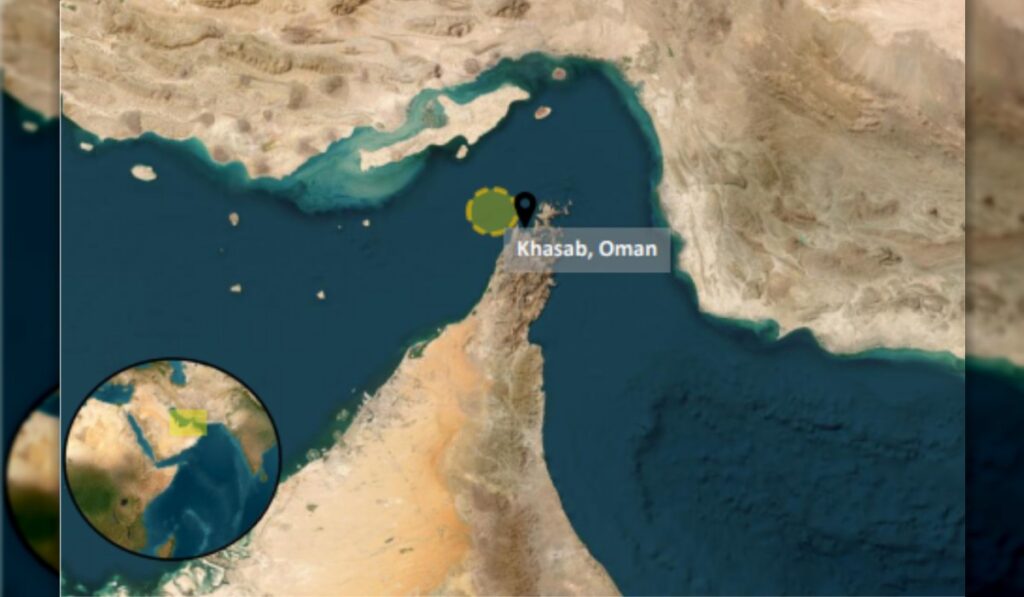
Two tankers came under fire in the Strait of Hormuz on September 10, 2026, as Iran-linked strikes escalated just four nautical miles off Oman’s Musandam Peninsula. The attacks, reported by the UK Maritime Trade Operations (UKMTO), sent Brent crude soaring to $109 per barrel, underscoring the chokehold the waterway exerts on global energy markets.
The master of a nearby vessel reported that four projectiles struck the two unidentified ships at approximately 1910 hours UTC. One vessel caught fire, while the status of the second remains unconfirmed. Iran has not claimed responsibility for the latest strikes, though it has been linked to all previous attacks in the area. The incident follows a series of U.S. retaliatory strikes on Iran’s tanker fleet, including the sinkings of the Riesco and the Kylo, as part of a declared “tanker for a tanker” policy.
Human and economic toll of the escalating conflict: strait of hormuz
The latest attacks bring the death toll among seafarers to at least 18 since the conflict escalated earlier this year. The most recent fatalities occurred on August 31, when two Filipino crew members were killed aboard the Saudi-owned very large crude carrier (VLCC) Sidr. The vessel, operated by Saudi national shipping company Bahri, was struck while transiting the strait on August 31, according to a statement from the Saudi foreign ministry.
Brent Crude
“The kingdom stressed the necessity of halting escalations, and respecting international maritime safety and the security of global energy supplies.”
Saudi foreign affairs ministry·spokesperson
The Sidr incident was not an isolated case. On August 17, a seafarer was killed aboard the Liberia-flagged bulk carrier Minoan Dignity, which came under attack just two days after another bulk carrier was struck in the same area.
The economic repercussions of the attacks extend far beyond the immediate damage to vessels. The East-West Pipeline, which transports up to 7 million barrels of oil per day from Saudi Arabia’s Gulf coast to the Red Sea, has also shown signs of disruption. Infrared satellite imagery captured heavy flaring along the pipeline’s route on September 10, prompting speculation about possible sabotage or operational issues.
The pipeline, completed in 1981, was designed to bypass the Strait of Hormuz, offering an alternative route for Saudi crude. However, its capacity is already stretched thin, and any prolonged outage would force more oil through the strait, exacerbating the supply crunch.
“Definitely a hot smoke plume, but that has happened during previous emergency flaring. Fair to say something is wrong with the E/W pipeline.”
Yet another commodity guy·analyst
The Jazan refinery, a 400,000-barrel-per-day facility in southwestern Saudi Arabia, has also been targeted by Houthi drone strikes earlier this week. The refinery, which processes heavy crude into diesel and other products, is a critical component of Saudi Arabia’s downstream infrastructure. Its disruption would further tighten global diesel supplies, which are already under pressure due to refinery outages in Europe and Asia.
The U.S. military’s inspector general estimated that the Iran conflict had cost $33.4 billion by mid-June 2026, with the Congressional Budget Office projecting an additional $2 billion per month if the war continues. The financial burden has sparked political backlash in Washington, where No se verifica en la fuente introduced articles of impeachment against Defense Secretary Pete Hegseth in August. However, the White House has stood by Hegseth, with Attorney General Todd Blanche praising him for “doing a phenomenal job.”
The conflict shows no signs of abating. Over the weekend, U.S. officials met with Houthi rebel leaders in Muscat, though the talks failed to yield a breakthrough. Meanwhile, the Arab League condemned an alleged Houthi drone attack targeting Mecca, with Secretary General Nabil Fahmy calling it a “matter of extreme gravity.” Iran, for its part, has dismissed signals from President Trump about potential negotiations, with a senior official stating that “the stakes have changed.”
For the global economy, the stakes are equally high. With oil stockpiles at multiyear lows and demand outstripping supply, any further disruption to the Strait of Hormuz could send prices spiralling. The waterway’s vulnerability has reignited debates about energy security, with some analysts calling for greater investment in alternative routes, such as the East-West Pipeline or even overland rail links. However, such projects would take years to materialise, leaving the world dependent on the strait for the foreseeable future.
For now, the shipping industry is bracing for more attacks. Insurers have already hiked war-risk premiums for vessels transiting the region, and some carriers are rerouting ships around the Cape of Good Hope, adding weeks to voyages and driving up freight costs. The International Chamber of Shipping (ICS) has urged governments to provide naval escorts for commercial vessels, though such measures would require a level of coordination that has so far been elusive.
The next few weeks will be critical. If the attacks continue, Brent crude could breach $120 per barrel, a threshold not seen since the 2008 financial crisis. For consumers, that would mean higher prices at the pump, while industries reliant on diesel, such as trucking and agriculture, would face mounting cost pressures. The Strait of Hormuz, once a silent conduit for global trade, has become the frontline of a conflict with far-reaching consequences.


Sign up free to ask CAMAL AI for a summary, the key points or anything else about this story.
Related stories
CAMAL AI
 Financial Ports Newsletter
The maritime economy, every morning
Ports, shipping and freight markets in one short email. Free.
Financial Ports Newsletter
The maritime economy, every morning
Ports, shipping and freight markets in one short email. Free.



