

25th Hijacking of 2026: Pirates Board Greek Bulker Off Yemen
The 24,000 dwt Glamor was boarded 98 nautical miles southwest of Al Mukalia, marking the 25th such incident this year.
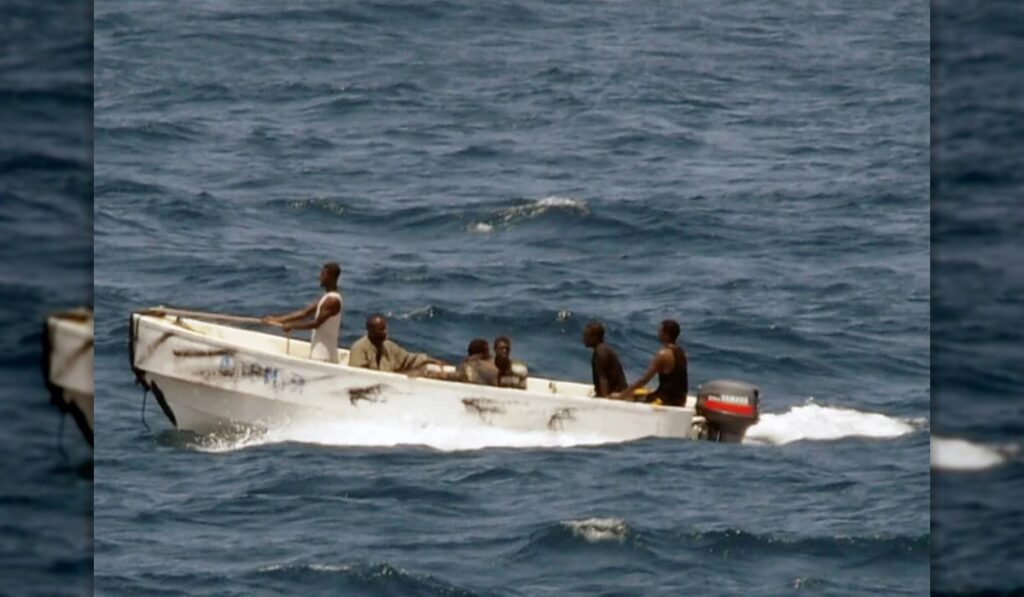
Pirates hijacked the Greek-owned bulker Glamor off Yemen’s coast on September 10, 2026, in the 25th recorded boarding incident of the year, a sharp rise fuelled by regional instability and alleged Houthi support for armed groups. The vessel, a 24,000 dwt bulker registered in Saint Vincent and the Grenadines, was approached 98 nautical miles southwest of Al Mukalia before attackers boarded it near Balhaf. The crew’s retreat to a reinforced citadel thwarted the hijackers, who later abandoned the ship.
The attack comes as the Houthis seized the port city of Mocha on the same day, expanding their control over Yemen’s coastline and raising concerns about heightened threats to shipping in the Red Sea. The Maritime Security Centre Indian Ocean (MSCIO) has warned vessels to maintain heightened vigilance within 150 nautical miles off Somalia’s coast, a hotspot for piracy and armed robbery.
Why the Surge in Piracy? The Houthis’ Role and Regional Instability: Off Yemen
The Glamor incident is the latest in a string of attacks that have seen piracy resurge in the Gulf of Aden and Western Indian Ocean. The International Maritime Bureau (IMB) recorded 38 piracy and armed robbery incidents worldwide in the first half of 2026, including five hijackings. Somali pirates accounted for 94% of crew members taken hostage during this period, underscoring the persistent threat in the region.
Analysts cite the Houthis’ expanding influence as a key factor in the uptick. The group’s takeover of Mocha, a strategic port city, could provide pirates with logistical support, including safe havens and intelligence on vessel movements. The EU operation Atalanta, tasked with counter-piracy efforts, has struggled to contain the threat as militant groups exploit the chaos in Yemen and Somalia.
The Glamor, a 154-meter bulker built in 1998, was operating in and out of Djibouti before the attack. Little is known about its crew, but the incident highlights the dangers faced by commercial vessels in the region. The MSCIO has repeatedly warned that pirates are using dhows, traditional sailing vessels, as mother ships to extend their reach into international waters.
Five Vessels Still Held: The Human Cost of Piracy
As of September 10, 2026, five vessels remain in the hands of pirates in Somalia’s coastal waters, including the Honour 25 (hijacked on April 21), the Sward (April 26), the Eureka (May 2), the Asana (July 17), and the Sibu I (August 20). The Sibu I, an Eritrean-flagged tanker managed by UAE-based Qatrat Alnada Almasi Ship Management, was sanctioned by the U.S. Treasury Department for allegedly belonging to Iran’s “shadow fleet.” The vessel had 20 crew members aboard, including 16 Indians, a Syrian, a Sudanese, an Iraqi, and one of unknown nationality.
The Lutuf, a Cameroon-flagged general cargo vessel hijacked on August 17 with 10 crew members, was released on August 17 after a disputed operation. Turkish authorities and the Somali government claimed commandos stormed the ship and killed the hijackers, but the Puntland Security Ministry dismissed these reports, insisting a ransom was paid. The conflicting accounts underscore the opacity of counter-piracy operations in the region.
The MSCIO continues to urge commercial vessels to avoid the high-risk area within 150 nautical miles off Somalia’s coast between Mogadishu and Hafun. Ships are advised to implement Best Management Practices (BMP5), including maintaining a 24-hour watch, using citadels, and reporting suspicious activity to UK Maritime Trade Operations (UKMTO).
For shipowners and operators, the resurgence of piracy poses a significant financial and operational risk. The cost of ransom payments, insurance premiums, and rerouting vessels around high-risk areas can run into millions of dollars. The Glamor incident serves as a stark reminder that the threat of piracy in the Gulf of Aden is far from over, and that regional instability continues to embolden armed groups.
The next steps for maritime security forces remain unclear. The EU operation Atalanta has yet to announce a concrete plan to address the rising number of incidents, while the International Maritime Organization (IMO) has called for increased international cooperation to combat piracy. In the meantime, commercial vessels transiting the region must remain vigilant, as the 25th hijacking of 2026 proves that the waters off Yemen and Somalia are as dangerous as ever.


Sign up free to ask CAMAL AI for a summary, the key points or anything else about this story.
Related stories
CAMAL AI
 Financial Ports Newsletter
The maritime economy, every morning
Ports, shipping and freight markets in one short email. Free.
Financial Ports Newsletter
The maritime economy, every morning
Ports, shipping and freight markets in one short email. Free.