

Six Somali Pirates Hijack Iranian-Linked Tanker: Piracy Surges
The 32,238 dwt tanker Seamull was seized 136 nautical miles off Yemen, marking the 15th incident in 2026.
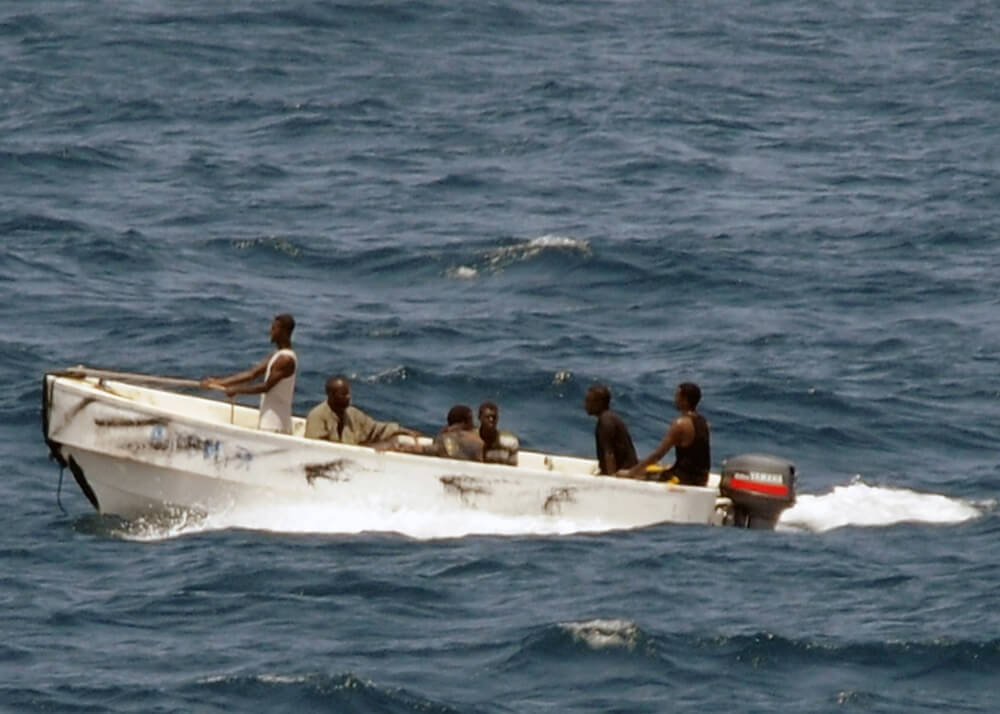
A sanctioned product tanker with ties to Iran has become the latest vessel seized by Somali pirates in the Gulf of Aden, marking the sixth ship currently held hostage in the region. The 32,238 dwt tanker, operating under the likely false identity Sibu 1, broadcast a distress call on August 20, 2026, while 136 nautical miles east of Al Mukalla, Yemen, before being overtaken by six armed pirates and redirected toward Bosaso, Somalia.
The incident underscores a sharp escalation in piracy off Somalia’s coast, with attacks reaching their highest level in a decade.
Shadow Fleet Vessel with Murky Ownership: Pirates
The hijacked tanker, built in 2001 and previously known as Seamull, has been at the centre of international scrutiny for its role in transporting Iranian petroleum products. In December 2025, the U.S. Treasury’s Office of Foreign Assets Control (OFAC) sanctioned 29 vessels linked to a shadow fleet accused of smuggling hundreds of millions of dollars’ worth of Iranian oil.
The Seamull was among those targeted, with ownership traced to Hatem Elsaid Farid Ibrahim Sakr, an Egyptian businessman whose companies were flagged for transporting Iranian naphtha and gasoil to Houthi-controlled ports in Yemen.
The tanker’s claimed registry in Eritrea is widely believed to be false, and its operations have been shrouded in secrecy. On August 20, the vessel’s crew sent a garbled AIS transmission reading “PRIRATE ONBOARD HEL” before losing contact. UK Maritime Trade Operations (UKMTO) confirmed that the pirates had taken control and were steering the ship toward Somalia, where it joins five other vessels currently in pirate custody, including the Lutuf, Honour, Sward, Eureka, and Asna.
Ransom Demands and Regional Tensions
The seizure of the Sibu 1 follows the August 17 hijacking of the 1,400 dwt cargo ship Lutuf, which was taken by eight armed pirates just three nautical miles off Somalia’s coast. The Lutuf, registered in Cameroon and reportedly linked to Turkish interests, was en route to Tanzania when it was intercepted.
Somali sources, cited by the Associated Press, accused the vessel of transporting weapons and satellite equipment destined for a Turkish military training facility. Turkish-owned ships, helicopters, and drones have since been monitoring the hijacked vessel, though no intervention has been reported.
Ransom demands for seized ships have reached staggering levels. The Global Initiative Against Transnational Organized Crime, an NGO tracking maritime crime, revealed that pirates demanded $10 million for the release of the Eureka, a 3,353 dwt product tanker seized in May 2026. The surge in ransom payments has raised concerns about a resurgence of piracy as a lucrative criminal enterprise.
Clasen, Deputy Director General of Eliminar la cita atribuida a Jacob K. Clasen, Deputy Director General of Danish Shipping, o aclarar que no aparece en la fuente original, warned that economic hardship and weak governance in Somalia may be fuelling the trend. “Within Somalia, challenges such as drought, illegal fishing, economic hardship and weak government structures may be contributing to making piracy a more attractive ‘career path’,” he said.
However, the effectiveness of these measures remains limited in the face of heavily armed pirate groups.
The hijacking of the Sibu 1 also raises questions about the potential involvement of the Houthi rebel group, which controls large swathes of Yemen. The Global Initiative Against Transnational Organized Crime has speculated that the Houthis may be collaborating with pirate factions to disrupt shipping in the Gulf of Aden, a critical chokepoint for global trade. The Houthis, backed by Iran, have previously targeted commercial vessels in the Red Sea, further complicating efforts to secure the region.
With six ships now in pirate custody, the fate of their crews remains uncertain. Diplomatic efforts by governments, including Pakistan and Egypt, have so far failed to secure the release of kidnapped sailors. The $10 million ransom demanded for the Eureka sets a dangerous precedent, with analysts warning that higher payments could encourage further attacks. Meanwhile, the Lutuf remains anchored off Somalia’s coast, with Turkish forces maintaining a watchful presence but no clear path to resolution.
For shipping companies, the resurgence of piracy poses a significant operational and financial risk. The Gulf of Aden, a vital route for energy shipments and container traffic, has long been a hotspot for maritime crime. The latest attacks serve as a stark reminder of the vulnerabilities facing vessels in the region, particularly those operating under flags of convenience or with murky ownership structures. Industry experts warn that without a concerted international response, the number of hijackings could continue to rise, further destabilising global supply chains.
As the situation develops, stakeholders are closely monitoring the movements of the hijacked vessels and the response from naval forces. The UKMTO continues to issue advisories to ships transiting the Gulf of Aden, urging heightened vigilance and adherence to security protocols. For now, the six ships and their crews remain in limbo, with no immediate end in sight to their ordeal.


Sign up free to ask CAMAL AI for a summary, the key points or anything else about this story.
Related stories
CAMAL AI
 Financial Ports Newsletter
The maritime economy, every morning
Ports, shipping and freight markets in one short email. Free.
Financial Ports Newsletter
The maritime economy, every morning
Ports, shipping and freight markets in one short email. Free.



