


Oman Scrambles to Clean Up Russian Shadow Fleet’s Oil Spill by Hand
A 12km stretch of protected coastline fouled as grounded tanker’s crude washes ashore near turtle and whale habitats.
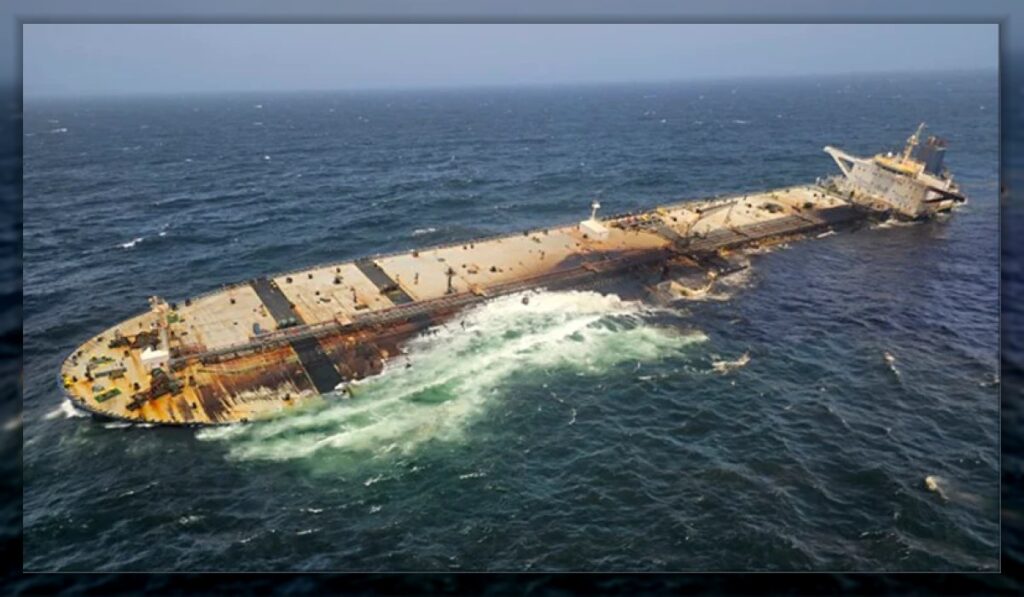
Oman’s emergency teams are racing to contain an environmental catastrophe as crude oil from the stricken Russian-linked tanker Caroline Bezengi washes onto a 12km stretch of coastline, fouling sandy beaches in a protected marine area known for its sea turtle nesting sites and humpback whale migrations. The spill, stemming from a tanker disabled by a June explosion, has forced authorities into a labour-intensive manual cleanup, the last-ditch effort to mitigate damage after containment efforts failed.
Workers from Oman’s National Committee for Emergency Management (NCEM) were deployed this week to remove oil by hand from the contaminated shoreline, according to footage shared by local outlet GDN. The spill originates from the Caroline Bezengi, a tanker linked to Russia’s shadow fleet, which was crippled by an explosion two months ago and later drifted aground near a remote island about 30 nautical miles off Oman’s southeastern coast.
Manual Cleanup Underway as Oil Hits Shore: Shadow Fleet
The grounded vessel’s cargo has since leaked into the water, coating beaches in heavy oil and threatening a marine conservation zone. The area is a critical habitat for endangered sea turtles and humpback whales, raising alarms among environmental groups over long-term ecological harm.
Oman has enlisted UK-based maritime consultancy Ambrey to advise on pollution abatement, though preparatory measures have yet to halt the oil’s spread. Mohammed bin Mohammed bin Abdullah Al Rawahi R, whose full role was not specified in reports, is reportedly overseeing coordination efforts, but the spill’s reach has already outpaced initial containment plans.
The Caroline Bezengi’s grounding adds to a growing list of incidents involving ageing or substandard tankers in the shadow fleet, which often operate with minimal oversight. The vessel’s explosion in June left it adrift for weeks before washing ashore, a timeline that critics argue reflects systemic risks in the transport of Russian crude under sanctions-evasion schemes.
British Consultancy Ambrey Joins Pollution Response
Video from the scene showed heavy oil pollution on a stretch of sandy shoreline, with workers in protective gear attempting to scoop up crude by hand.
GDN·local media
The spill’s location within a designated marine protected area compounds the crisis. Conservationists warn that the oil’s toxicity could disrupt nesting patterns for sea turtles and contaminate feeding grounds for whales, with effects lasting years. NCEM has not disclosed a timeline for completing the cleanup, nor has it detailed plans for compensating ecological damage.
As of Monday, no statements had been issued by Russian authorities or the tanker’s registered owners, assuming they can be identified through the shadow fleet’s opaque ownership structures.
The incident underscores the growing environmental toll of the shadow fleet’s operations, where ageing vessels and lax safety standards intersect with geopolitical manoeuvring. For Oman, the cleanup bill, and the ecological reckoning, has only just begun.
Sign up free to ask CAMAL AI for a summary, the key points or anything else about this story.
Related stories
Financial Ports Newsletter
The maritime economy, every morning
Ports, shipping and freight markets in one short email. Free.