

Tanker chiefs bet on boom despite ageing fleet and war risks
Average tanker age hits 13.5 years as owners dismiss fears of a 2008-style crash at Monaco forum.
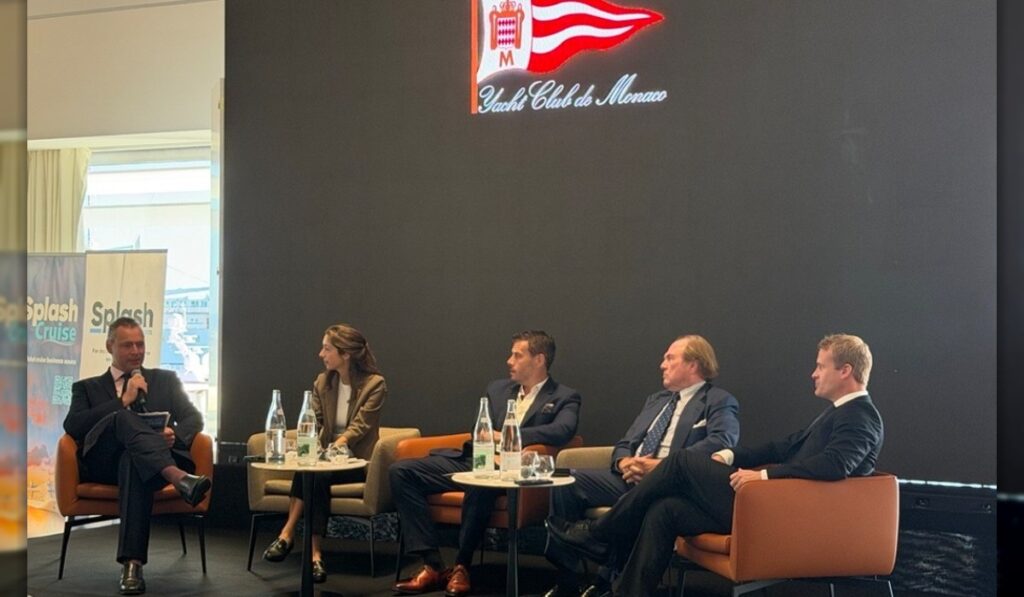
Leading tanker owners expressed confidence in the freight market’s strong performance during the Maritime CEO Forum held at Monaco’s Yacht Club de Monaco this week. Despite concerns over rising asset prices, an aging fleet, and geopolitical tensions, industry executives highlighted factors supporting short-term growth.
Alexia Inglessis, director at Alberta Shipmanagement, identified two major threats that could disrupt the current boom: a significant escalation in Middle East conflicts damaging oil infrastructure or a financial crisis comparable to the 2008 crash. However, she emphasized positive indicators such as recovering Middle Eastern oil flows, stronger Chinese demand, and ongoing inefficiencies caused by sanctions and geopolitical disruptions.
“We have multiple factors pointing to a favorable market in the short to medium term.”
Alexia Inglessis·Director, Alberta Shipmanagement
Tanker executives maintain optimism despite market risks: tanker freight rates
Alan Hatton, CEO of Foreguard Shipping, advised monitoring the actions of major oil companies and commodity traders. Recent long-term charters by these players could signal market expectations, with any decision to relet vessels potentially indicating weaker conditions ahead.
International Seaways
Lars-Christian Svensen, head of Bruton, Himalaya Shipping, and OMC Tankers, noted that reduced demand for 12-month and three-year charters would serve as an important warning sign. Despite this, his companies remain optimistic. Bruton’s merger with International Seaways provides continued market exposure, while OMC maintains eight VLCC newbuildings scheduled for delivery in 2028 and 2029. Early Bruton investors have seen returns multiply fivefold through the merger.
Market signals and investment strategies
Giangiacomo Serena di Lapigio, CEO of International Andromeda Shipping, cautioned against assuming freight rates would only increase. His company favors long-term time charters to secure earnings while incorporating profit-sharing mechanisms.
The panel also addressed the aging tanker fleet, with Inglessis noting the average vessel age has risen to 13.5 years, compared to a historical average of 10.3 years. The demolition age has increased from 23 to 25.5 years, and 19% of VLCCs are now over 20 years old, most operating in the shadow fleet. She argued that maintenance standards should be considered alongside vessel age.
When asked which vessel they would purchase personally, the executives offered different preferences. Hatton selected a 10- to 15-year-old eco LR2, Svensen chose a 15-year-old VLCC, and Serena di Lapigio favored a South Korean-built chemical tanker with long-term charter coverage.


Sign up free to ask CAMAL AI for a summary, the key points or anything else about this story.
Related stories
CAMAL AI
 Financial Ports Newsletter
The maritime economy, every morning
Ports, shipping and freight markets in one short email. Free.



