

US unleashes sanctioned tankers to tame Hormuz freight chaos
Trump administration permits sale of sanctioned vessels to approved investors for refurbishment and legitimate trade.
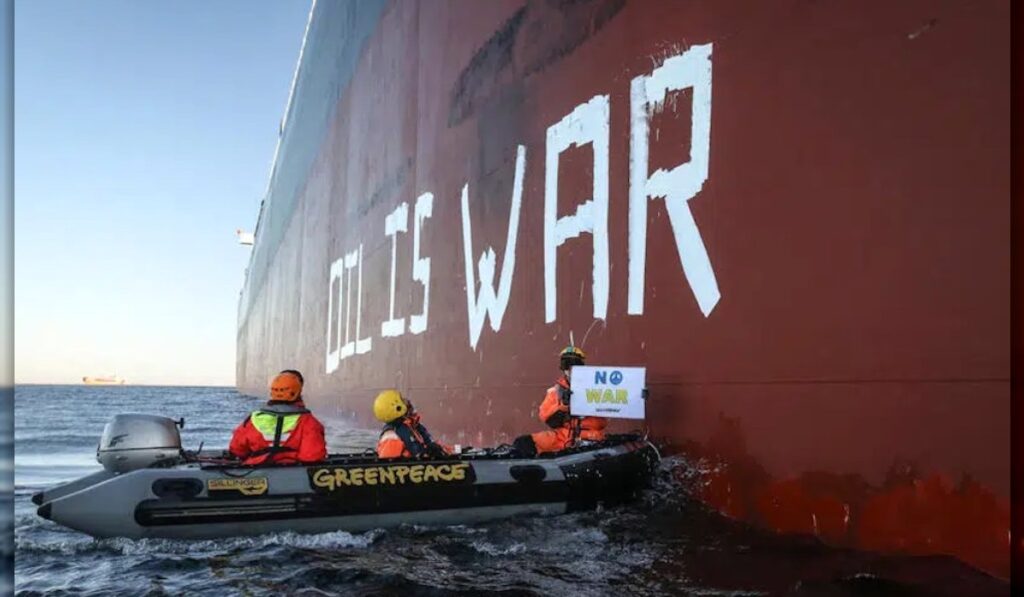
The U.S. government has approved the sale of previously sanctioned oil tankers to select investors, with a key condition: the vessels must undergo refurbishment before rejoining legitimate crude oil shipping routes. The decision, announced by Energy Secretary Chris Wright on Monday, comes as Washington seeks to curb rising freight costs amid an eight-month crisis in the Strait of Hormuz.
The initiative allows approved buyers to purchase tankers that were previously restricted due to sanctions. However, these vessels must be upgraded before they can resume operations in lawful crude oil transportation. The move is part of broader efforts to stabilize oil markets, as attacks in the Hormuz region have disrupted shipping traffic and driven up costs.
Sanctioned tankers to re-enter trade after refurbishment: sanctioned oil tankers
Meanwhile, Iraq’s national shipping line has resumed scheduled container services in the Gulf for the first time in over 50 years, a direct response to the ongoing conflict in the area.
Brent Crude
While the Hormuz crisis remains a critical concern, NATO has reinforced its presence in the Black Sea. The alliance is deploying additional maritime patrol aircraft, drones, and radar systems following a series of deadly attacks on merchant ships near Romania and Bulgaria.
Maritime tensions and industry shifts beyond Hormuz
On the commercial side, Australian infrastructure firm IFM Investors has agreed to acquire Associated British Ports in a deal valuing the UK’s largest ports operator at over £10 billion ($12.6 billion). The transaction marks a significant shift in ownership for one of Britain’s key maritime assets.
In the realm of maritime technology, industry leaders predict that administrative tasks, particularly the long-standing practice of noon reports, may soon be automated. However, human oversight of navigation is expected to remain essential for the foreseeable future. A recent survey highlighted that 75% of technical managers in the Asia-Pacific region still rely on Excel spreadsheets to manage vessel maintenance costs, underscoring the industry’s slow adoption of digital tools.


Sign up free to ask CAMAL AI for a summary, the key points or anything else about this story.
Related stories
CAMAL AI
 Financial Ports Newsletter
The maritime economy, every morning
Ports, shipping and freight markets in one short email. Free.



