

US Blocks $3M Cuba Fuel Shipments: The Sanctions Crackdown No One Saw
90 biodiesel shipments carrying 620,000 gallons seized at Florida and Texas ports in latest US enforcement action.
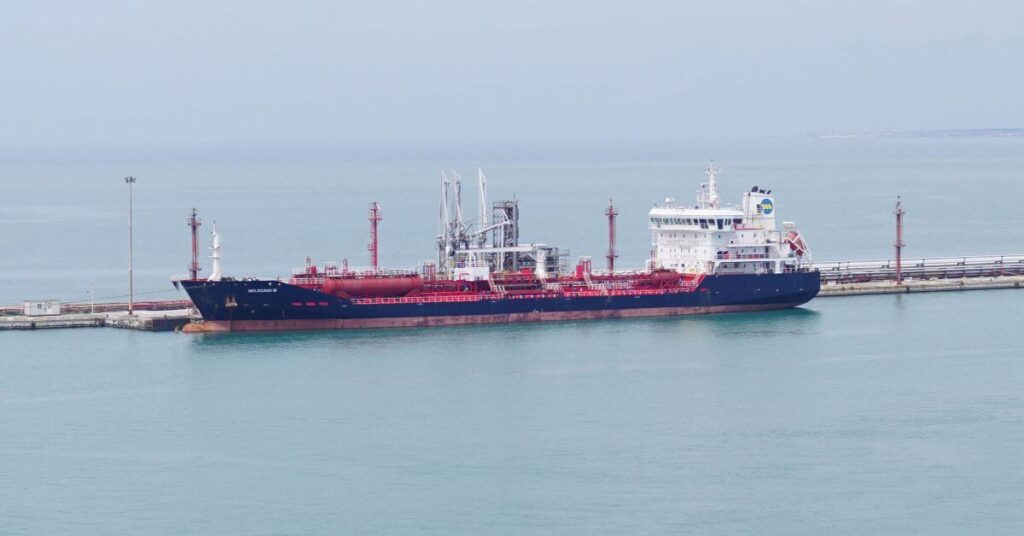
The United States has seized 90 shipments of biodiesel worth nearly $3 million, blocking more than 620,000 gallons of fuel destined for Cuba in a crackdown on sanctions violations. The shipments, intercepted at ports in Florida and Texas, were bound for ENETEC S.A., a state-owned Cuban company blacklisted by the US Treasury Department in July.
Authorities halted 71 shipments at Port Everglades, containing about 500,000 gallons of biodiesel, while another 19 were seized at the Port of Houston, carrying around 120,000 gallons.
The seizures followed intelligence suggesting the shipments violated the International Emergency Economic Powers Act and Export Administration Regulations. These laws empower US agencies to block transactions that threaten national security or foreign policy objectives.
Jose Figueroa, head of HSI’s Miami office, confirmed the fuel was suspected of benefiting the Cuban government through ENETEC S.A. Figueroa warned that investigations into sanctions evasion would continue, though no exporters have been publicly identified.
The US has long restricted fuel supplies to Cuba, exacerbating the island’s chronic energy shortages.
Power cuts, water supply disruptions, and transport delays have plagued Cuban households for years, with state-run companies like Cupet-Cimex struggling to maintain fuel stations. While the US permits some smaller fuel shipments to reach Cuba’s private sector, the latest seizures signal a broader effort to choke off resources to state entities.
In a separate operation, the US Coast Guard intercepted the Grace, a 300-foot cargo ship, on September 5 near Mexico, carrying additional fuel. The Coast Guard, responsible for maritime law enforcement, often collaborates with HSI and CBP to monitor vessels suspected of sanctions violations. Earlier in the summer, authorities also seized the Jaira Provider, which held more than 200,000 gallons of fuel.
What the Seizures Mean for Businesses and Consumers: Cuba
The biodiesel seizures have immediate consequences for Cuba’s already fragile economy. With fuel shortages worsening, businesses reliant on diesel generators, such as hospitals, food storage facilities, and public transport operators, face heightened operational risks.
The energy crisis also threatens Cuba’s food security, as refrigeration and irrigation systems depend on consistent fuel supplies. The private sector, which the US has sought to support through limited exemptions, remains vulnerable to broader sanctions enforcement.
Cuba’s Minister of Energy and Mines, Vicente de la O Levy, denied any contract with ENETEC S.A., calling the allegations baseless. However, the seizures have deepened Havana’s fuel shortages, with independent outlets like CiberCuba and Diario de Cuba reporting worsening conditions in hospitals, food storage, and public transport. The Cuban government has not disclosed alternative fuel sources, though reports suggest increased shipments from Venezuela, despite its own economic struggles.
Geopolitical Fallout and What Comes Next
The seizures occur against a backdrop of heightened US-Cuba tensions. Prediction markets reflect growing uncertainty over the relationship, with Polymarket traders estimating a 12.5% chance of US military action against Cuba by the end of 2026. While such predictions remain speculative, they underscore the volatility of the situation. Over $7.6 million has been wagered on related outcomes, signalling market concern about escalation.
The US has not identified the exporters involved in the seized shipments, leaving the investigation open. The Commerce Department’s Bureau of Industry and Security, which oversees export controls, may impose penalties on violators, including fines or criminal charges. Meanwhile, the Treasury Department could expand its sanctions list to include additional Cuban entities or foreign companies facilitating fuel transfers.
For businesses operating in the region, the seizures serve as a stark reminder of compliance risks. Companies trading with Cuba must navigate a complex web of US sanctions, which can change rapidly. The latest crackdown suggests Washington remains committed to enforcing its embargo, regardless of Cuba’s domestic challenges. As the island grapples with its worst energy crisis in decades, the US appears determined to maintain pressure, leaving Havana with few options for relief.
Consumers and businesses in Cuba can monitor updates on sanctions and fuel availability through official channels, including the Cuban government’s Ministerio de Energía y Minas and the US Treasury’s Office of Foreign Assets Control. However, with no immediate resolution in sight, the island’s energy future remains uncertain.
“The shipments were suspected of benefiting the Cuban government through a state-owned company. He said the agency would continue investigating attempts to evade US sanctions and export rules.”
Jose Figueroa·Head of HSI’s Miami office
“No contract of any kind.”
Vicente de la O Levy·Cuba’s Minister of Energy and Mines


Sign up free to ask CAMAL AI for a summary, the key points or anything else about this story.
Related stories
CAMAL AI
 Financial Ports Newsletter
The maritime economy, every morning
Ports, shipping and freight markets in one short email. Free.
Financial Ports Newsletter
The maritime economy, every morning
Ports, shipping and freight markets in one short email. Free.



