

Oil Tanker Attack Off Qatar: First Fatal Strike West of Hormuz in a Month
A tanker was hit by multiple projectiles 51 nautical miles off Qatar’s coast, with casualties reported.
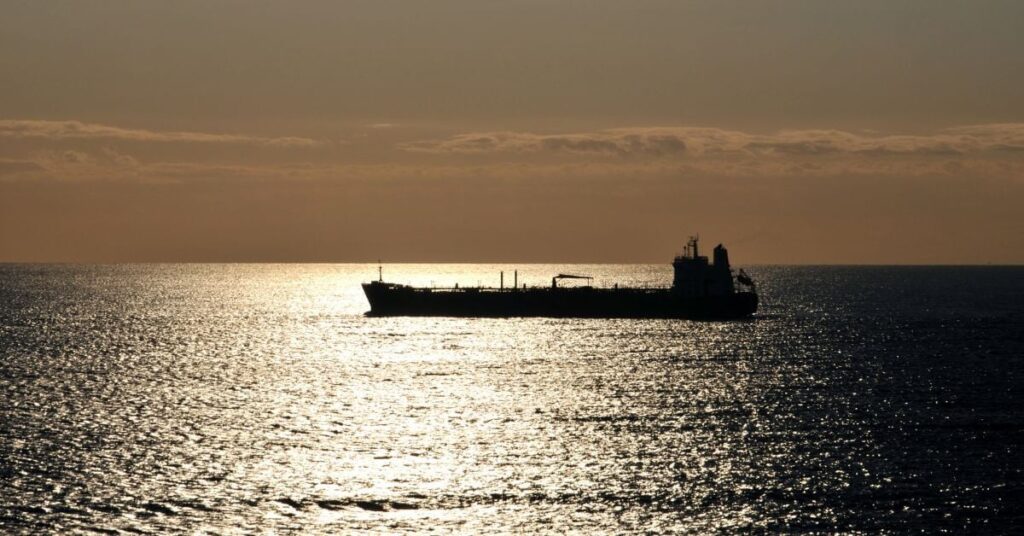
An oil tanker came under attack off Qatar’s northern coast on Wednesday, October 7, after being struck by multiple projectiles. The incident left casualties among the crew, according to the United Kingdom Maritime Trade Operations (UKMTO).
The attack occurred at 1900 UTC, approximately 51 nautical miles (94 km) north of Madinat ash Shamal, within Qatar’s exclusive economic zone. UKMTO confirmed the vessel was hit but did not release details about the number of casualties, the tanker’s identity, or the origin of the projectiles. Authorities have launched an investigation and advised ships in the area to remain vigilant.
Rising Threats in Key Shipping Lanes: strait of hormuz
The latest incident adds to a surge in attacks on commercial vessels in the Gulf region. UKMTO reported nine tanker strikes in the Strait of Hormuz during October—half the total recorded in both the strait and the wider Gulf in September. While most recent attacks have targeted ships in the Strait of Hormuz, this strike occurred farther west, in less frequently patrolled waters.
Brent Crude
The Strait of Hormuz remains a critical chokepoint for global energy supplies, with around 125 large commercial vessels passing through daily. The waterway carries approximately 20% of the world’s crude oil and liquefied natural gas. Despite the escalating security risks, oil exports from the Middle East have shown resilience. Data from Kpler indicates the region exported an average of 18.3 million barrels of crude oil per day in the week ending September 30, slightly above the pre-conflict 12-month average of 18 million barrels.
Uncertainty Over Wider Impact
It remains unclear whether the attack will disrupt tanker movements or oil shipments in the short term. UKMTO has not provided updates on the vessel’s condition or the status of its crew. Maritime security agencies continue to urge heightened caution for ships operating in the Gulf, emphasizing the need for increased surveillance and coordination with naval forces.
The incident underscores the persistent dangers faced by commercial shipping in the region, where tensions have raised concerns about the safety of seafarers and the stability of energy supplies.


Sign up free to ask CAMAL AI for a summary, the key points or anything else about this story.
Related stories
CAMAL AI
 Financial Ports Newsletter
The maritime economy, every morning
Ports, shipping and freight markets in one short email. Free.
Financial Ports Newsletter
The maritime economy, every morning
Ports, shipping and freight markets in one short email. Free.



