

Why 18-year-old LNG carriers are selling for millions amid Hormuz chaos
Sales of vintage LNG carriers surge as Strait of Hormuz disruptions reshape global gas trade.
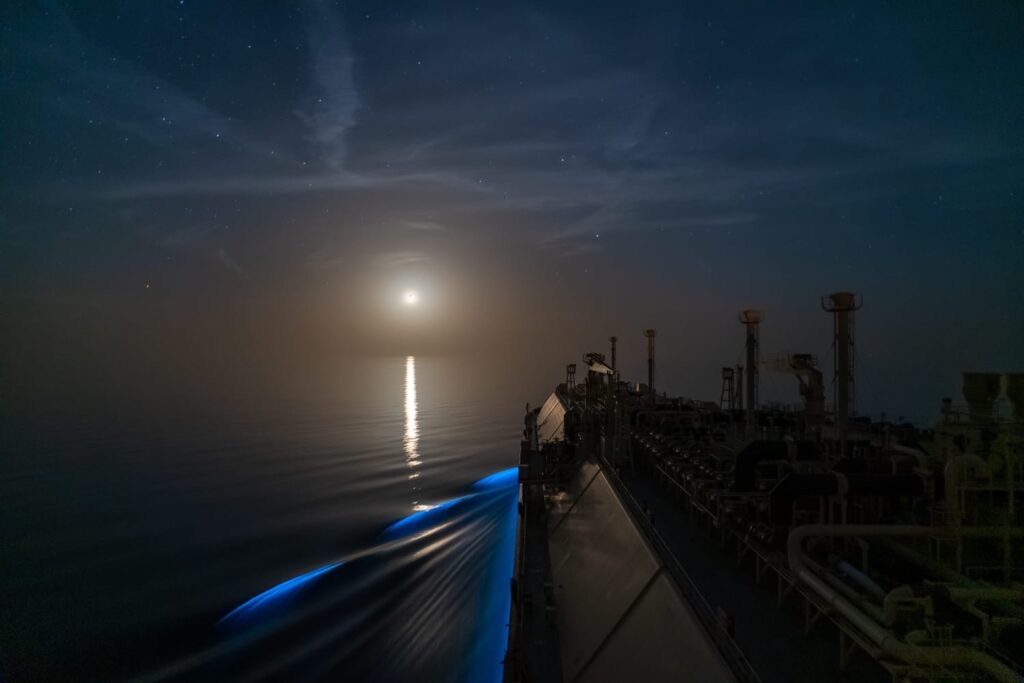
The market for older liquefied natural gas (LNG) carriers continues to thrive as shipowners adjust to supply uncertainties caused by the escalating conflict in the Strait of Hormuz since late February. Disruptions to regional exports have kept demand high for secondhand vessels, even those with decades of service.
South Korean operator Kmarin Group recently completed the sale of its 18-year-old vessel, the 152,000-cubic-meter Kmarin Diamond, to Indonesian buyers for approximately $65 million. Indonesian companies have emerged as prominent buyers of aging LNG carriers this year.
Japanese shipping firms have also been active sellers. Nippon Yusen Kaisha (NYK) offloaded two vessels: the 18-year-old, steam-powered Tangguh Batur (145,700 cubic meters), which reportedly sold for $30 million and was later renamed Eagle M, and the 2013-built Grace Dahlia (177,427 cubic meters), acquired by Golar LNG for conversion. Additionally, Kawasaki Kisen Kaisha (K Line) sold its 20-year-old Arctic Voyager (142,759 cubic meters) for $28.5 million to Karpowership, with plans to convert the steam-powered carrier into a floating storage and regasification unit (FSRU).
Natural Gas
Recent sales highlight active secondhand market: lng carriers
While some older vessels find new owners, others are being scrapped. BW recently sold the 2007-built LNG Kano for recycling in India at $530 per lightweight ton, following reports of cracked cargo tanks. This sale marks the seventh LNG carrier to be scrapped in 2024, reflecting a broader industry shift toward retiring aging assets.
The conflict in the Strait of Hormuz has created a dual dynamic in the market. On one hand, supply disruptions have increased demand for any available tonnage, keeping prices for secondhand carriers elevated. On the other, stricter environmental regulations and the high cost of maintaining older vessels are pushing some owners toward recycling. As the situation in the Strait remains unresolved, the secondhand LNG carrier market is expected to stay active in the coming months.


Sign up free to ask CAMAL AI for a summary, the key points or anything else about this story.
Related stories
CAMAL AI
 Financial Ports Newsletter
The maritime economy, every morning
Ports, shipping and freight markets in one short email. Free.



