

Iran to auction seized ships to fund war damages—first time ever
Tehran plans to sell vessels linked to U.S. and Israel, including an 11,668 TEU container ship.
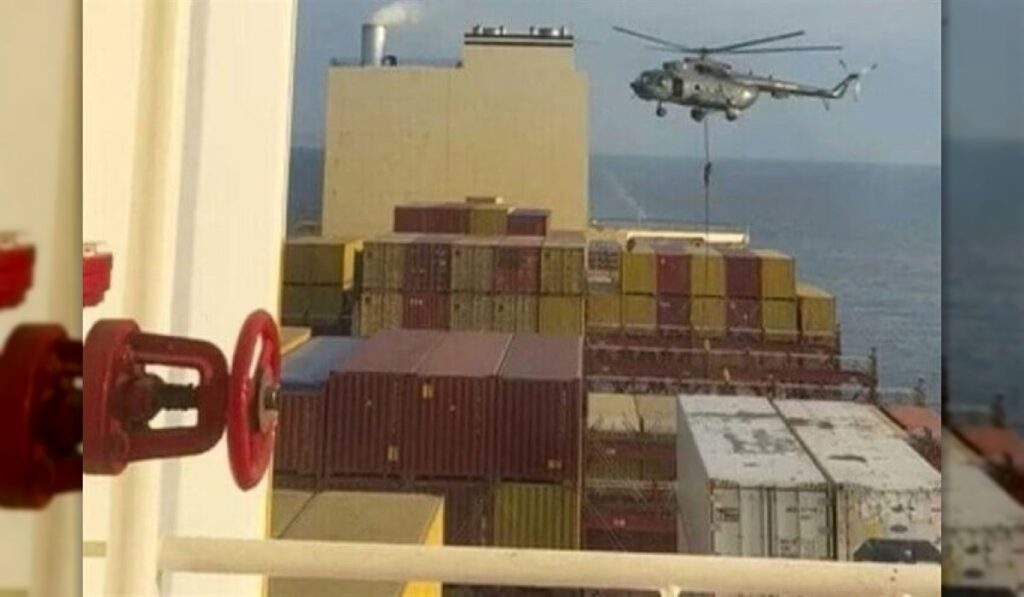
Iran has announced plans to sell commercial vessels seized in the Strait of Hormuz and the Persian Gulf, targeting ships linked to the United States and Israel as compensation for damages claimed during the conflict. Hassan Abdollianpour, head of the judiciary’s Center for Lawyers, confirmed the strategy during an inspection in Bandar Abbas, where officials are assessing losses suffered by local fishing communities.
Among the detained vessels are the MSC Francesca, a 174,897-dwt container ship owned by MSC Mediterranean Shipping Company, and the Epaminondas, a Greek-owned vessel with a 6,690-TEU capacity, chartered to MSC. Both were seized earlier this year after Iranian forces intercepted them in the Strait of Hormuz. Also held since April 2024 is the MSC Aries, a 158,097-dwt ship owned by an affiliate of Zodiac Maritime, whose lead investor is Eyal Ofer.
Legal process and compensation claims: Iran
Abdollianpour stated that the proceeds from the vessel sales would be used to compensate individuals and families affected by what Iran describes as “American attacks on ports.” The judiciary has documented 537 cases of damages across key coastal areas, including Qeshm, Bandar Lengeh, and Jask, with 760 claims filed by fishermen and boat owners. A specialized branch of the Tehran Revolutionary Court is currently processing over 100 cases, with rulings expected to authorize the sales.
Brent Crude
“A detailed assessment and documentation of damages is the first step to filing an effective lawsuit,” Abdollianpour said in a televised interview. The inspection process in Bandar Abbas is ongoing, with experts evaluating losses to ensure compensation aligns with judicial rulings.
This would mark the first time Iran sells entire commercial vessels rather than just cargoes. In 2024, Tehran seized a crude oil shipment from a Greek tanker chartered to Chevron, later auctioning it to fund similar compensation claims.
Risks for global shipping
The Persian Gulf Strait Authority has warned that vessels attempting to transit the Strait of Hormuz without prior authorization could face fines, detention, or confiscation. The authority has also threatened consequences for shipping companies engaging with “blacklisted” vessels, raising concerns about further disruptions in a critical route for global energy supplies.
As the legal process advances, the maritime industry is closely monitoring developments. The first auctions could proceed within months, depending on the outcome of the ongoing court proceedings in Tehran.


Sign up free to ask CAMAL AI for a summary, the key points or anything else about this story.
Related stories
CAMAL AI
 Financial Ports Newsletter
The maritime economy, every morning
Ports, shipping and freight markets in one short email. Free.
Financial Ports Newsletter
The maritime economy, every morning
Ports, shipping and freight markets in one short email. Free.



