

US Blockade Stops 110 Iranian Ships: What’s Next for Hormuz Oil Flows?
CENTCOM confirms 100% effective US Navy blockade in the Strait of Hormuz.
With Iran unable to export crude via pipelines, its government faces a financial crisis that could destabilise its security forces and trigger widespread public unrest.
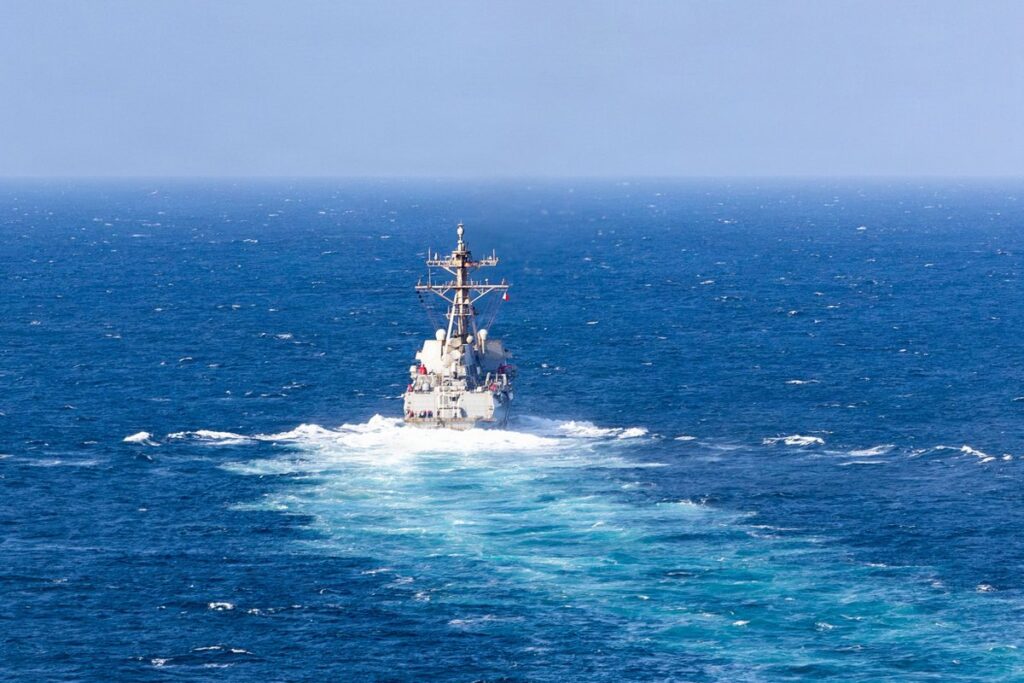
The blockade, enforced by a fleet including the aircraft carrier USS George H.W. Bush and guided missile destroyers USS John Paul Jones and USS Rafael Peralta, has disrupted Iran’s ability to sell oil from floating stocks off Malaysia and China. Kpler analyst Homayoun Falakshahir estimated in August that these reserves, critical to Iran’s economy, would be depleted by early early in the New Year, leaving the regime with dwindling funds to pay its security apparatus.
How the Blockade is Choking Iran’s Economy
With the US Navy’s blockade in place, Iran’s revenue from crude and LNG sales, once accounting for 45% of its government income, has collapsed. Admiral Cooper confirmed that primary transit routes remain clear of mines, a claim backed by the safe passage of over 2,000 commercial vessels and 1 billion barrels of oil in the past two months.
Natural Gas
Tehran’s options are narrowing. The financial strain has already forced cuts to subsidies and essential services, fuelling domestic discontent. As Admiral Cooper noted, the US has provided “coordinated protection” to commercial shipping, working alongside Gulf Cooperation Council (GCC) states, insurers, and shipping companies to maintain flow through the Strait.
The US Central Command (CENTCOM), headquartered in Tampa, Florida, oversees military operations across the Middle East, Central Asia, and parts of South Asia.
The blockade’s success has not come without risks. Iran’s misiles iraníes, equipped with thermal imaging sensors, has failed in recent attacks, but the threat remains. Meanwhile, Task Force 59, a fleet of sea drones, plays a dual role in surveillance and mine clearance, reducing the need for forward naval exposure.
What the Blockade Means for Global Shipping and Energy Markets
The Strait of Hormuz is not just a strategic chokepoint for Iran but a lifeline for global energy markets.
For shipping companies and insurers, the blockade has introduced new challenges. However, the coordinated efforts between CENTCOM, GCC navies, and commercial stakeholders have mitigated some of these risks.
President Trump is weighing three options: negotiate a deal, maintain the status quo, or escalate offensive operations to “annihilate Iran". Admiral Cooper’s briefing made no public recommendation, but the blockade’s effectiveness suggests the US may opt to sustain pressure.
The financial toll on Iran is undeniable. With revenue streams drying up, Tehran’s ability to fund its security forces is in jeopardy. Analysts warn that further cuts to subsidies could spark unrest, particularly as winter approaches and energy shortages worsen.
The US Treasury’s crackdown on Iranian financial channels has compounded the crisis, leaving the regime with few options to evade sanctions. The Treasury’s Office of Foreign Assets Control (OFAC) has targeted Iranian banks, shipping companies, and individuals involved in illicit oil trades, further tightening the noose around Tehran’s economy.
For global markets, the blockade’s success offers temporary relief. The Strait remains open, and the US has demonstrated its ability to protect commercial shipping. However, the long-term outlook hinges on Iran’s next move. If Tehran attempts to bypass the blockade, whether through covert shipments or renewed attacks, tensions could escalate, disrupting the fragile stability of one of the world’s most critical energy corridors.
As the situation evolves, CENTCOM’s strategy appears clear: maintain the blockade, protect commercial transit, and avoid unnecessary escalation. The US Navy’s presence in the region, including the USS Boxer Amphibious Ready Group and the 11th Marine Expeditionary Unit, ensures rapid response capabilities. Meanwhile, Task Force 59’s sea drones continue to patrol the Strait, providing real-time intelligence on Iranian movements.
For businesses and governments reliant on Gulf oil, the coming months will be critical. The US has established hotlines with shipping companies and insurers to address emerging threats, while the GCC countries have increased their own naval patrols to deter Iranian aggression. The Strait of Hormuz remains open, for now, but the risk of miscalculation looms large. Stakeholders are advised to monitor updates from CENTCOM and the US Treasury for further developments.
“Primary transit routes through the Strait are clear of mines.”
Admiral Brad Cooper·Commander of US Central Command

Sign up free to ask CAMAL AI for a summary, the key points or anything else about this story.
Related stories
CAMAL AI
 Financial Ports Newsletter
The maritime economy, every morning
Ports, shipping and freight markets in one short email. Free.
Financial Ports Newsletter
The maritime economy, every morning
Ports, shipping and freight markets in one short email. Free.