

Strait of Hormuz deal collapses as Gulf states reject Iran’s terms
Oman cancels Salalah conference after Bahrain and Saudi Arabia refuse to attend over Iranian demands for passage fees.
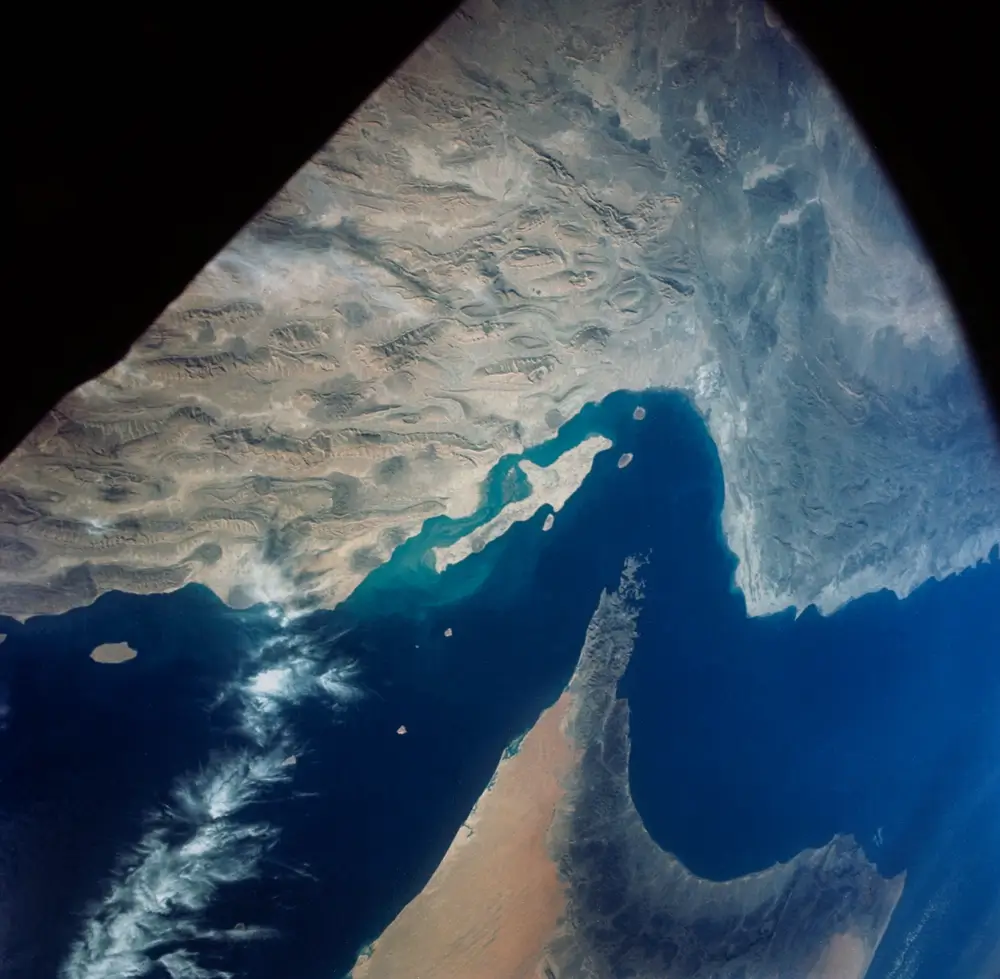
Oman has scrapped a high-stakes regional conference in Salalah after Bahrain and Saudi Arabia refused to sit at the same table as Iran, exposing deep fractures in Gulf diplomacy over the future of the Strait of Hormuz. The meeting, originally scheduled for Monday, was intended to unveil a draft agreement between Oman and Iran for a new maritime transit corridor in the world’s most critical oil chokepoint, where one-fifth of global crude supplies pass daily.
The collapse of the conference underscores the widening rift between Iran’s demands for control over the strait and the Gulf states’ refusal to cede sovereignty. Oman, which had spent months negotiating with Tehran, insisted on upholding the International Maritime Organization’s (IMO) rules on freedom of navigation, in place since 1968. Iran, however, pushed for the right to vet passing vessels and impose transit fees, a move that alarmed its neighbours.
Why the Gulf States Walked Away: strait of hormuz
Bahrain, which has been targeted by Iranian ballistic missiles and drones, confirmed it would not attend if Iran’s delegation was present. The kingdom, which aligns closely with Saudi Arabia’s foreign policy, cited security concerns as the primary reason for its boycott. Riyadh is believed to have objected to key technical aspects of the proposed transit plan, though details remain scarce.
The United Arab Emirates (UAE), while not formally announcing its withdrawal, is expected to share Bahrain’s stance. An Emirati social media commentator, likely reflecting official sentiment, criticised Oman’s diplomatic approach as overly conciliatory. “Diplomacy in foreign policy needed to be matched by deterrence,” the blogger wrote, arguing that Tehran’s aggression required a firmer response. The remark echoed broader frustration in the Gulf over Oman’s “never stop negotiating philosophy,” which some view as naive in the face of Iranian expansionism.
Iran’s Foreign Minister, Abbas Araghchi, had framed the Salalah conference as an opportunity to “promote better understanding among the countries of the region.” Yet the meeting’s abrupt cancellation, reportedly at Saudi Arabia’s request, reveals the limits of regional diplomacy when core security interests collide. Iran’s Foreign Ministry spokesman, Esmail Baghaei, later reiterated Tehran’s commitment to “ensuring the security of navigation in the strait,” but the statement did little to ease tensions.
The Strait’s Strategic Stakes
The Strait of Hormuz remains the most volatile flashpoint in global energy markets. Since U.S.-Israeli strikes on Iran began in late February, Tehran has disrupted shipping routes and blocked access to the waterway, exacerbating supply chain bottlenecks. Last month, Iran and Oman reached a temporary agreement on mine clearing and short-term strait management, but the deal failed to address deeper disagreements over long-term control.
Iran’s demands extend beyond the strait itself. Tehran has laid down seven pre-conditions for the U.S. to meet before any agreement can take effect, based on its interpretation of a June 17 U.S.-Iranian Memorandum of Understanding. These conditions, which likely include sanctions relief and the lifting of the U.S. naval blockade, have further complicated negotiations. The blockade, which deprives Iran of critical revenue, is seen as essential to the survival of the IRGC-dominated regime, making its removal a non-negotiable demand for Tehran.
The Gulf states, meanwhile, are pursuing alternatives to the strait rather than conceding to Iranian pressure. Saudi Arabia has already shifted some oil exports to the Bab al-Mandab Strait, where Iran-backed Houthis in Yemen recently seized a strategic port. The move reflects a broader strategy to reduce dependence on Hormuz, even as Iran escalates attacks on shipping and regional infrastructure. Analysts warn that Tehran may intensify its campaign to force the U.S. to lift the blockade, raising the risk of further disruptions to global oil flows.
For the maritime industry, the stakes could not be higher. The Strait of Hormuz handles approximately one-fifth of global crude supplies, equivalent to one-fifth of global consumption. With prices already above $100 a barrel, any prolonged closure or escalation in attacks could trigger a supply shock, sending costs spiralling. The IMO’s longstanding framework for the strait, which guarantees innocent passage for commercial vessels, remains in legal limbo as regional powers jockey for control.
Alex Vatanka, an Iran expert at the Middle East Institute, described the Salalah conference as a “way for the Gulf to take matters back into its own hands, to get off Iran’s target list and reopen the strait.” But with the meeting now postponed indefinitely, the path to de-escalation appears more distant than ever. The Gulf states’ refusal to engage with Iran at the negotiating table signals a hardening stance, one that prioritises deterrence over diplomacy. For now, the world’s most critical maritime chokepoint remains a powder keg, with no clear resolution in sight.
The next steps are uncertain. Oman has not announced a new date for the conference, and Iran’s Foreign Ministry has yet to respond to the postponement. What is clear, however, is that the Gulf’s unity, long fragile, has been tested to its limits. As long as Iran insists on veto power over shipping and the Gulf states refuse to yield, the Strait of Hormuz will remain a battleground, not just for regional dominance, but for the future of global energy security.


Sign up free to ask CAMAL AI for a summary, the key points or anything else about this story.
Related stories
CAMAL AI
 Financial Ports Newsletter
The maritime economy, every morning
Ports, shipping and freight markets in one short email. Free.
Financial Ports Newsletter
The maritime economy, every morning
Ports, shipping and freight markets in one short email. Free.



