

Iran’s Blacklist Threatens 77 Ships—and Now Insurers Too
Tehran’s latest edict warns P&I clubs and classification societies to cut ties.
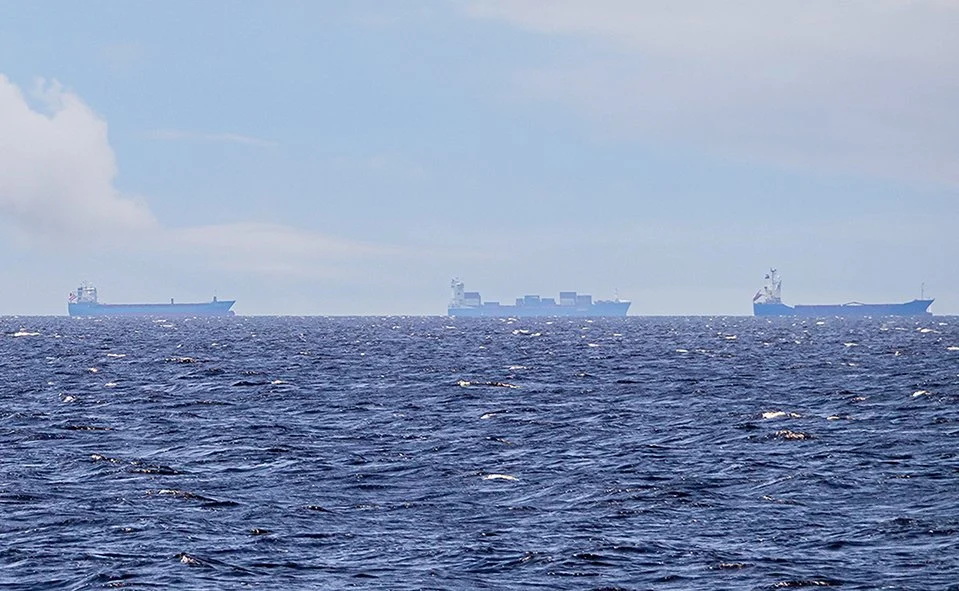
The Iranian entity known as the Persian Gulf Strait Authority has issued an expanded warning targeting not only shipping companies but also insurers and classification societies. In its latest announcement, the group updated its blacklist of vessels deemed “non-compliant,” now including 77 ships—up from 45 in late August.
The list primarily focuses on crude oil tankers but also encompasses LPG and LNG carriers, product tankers, and bulkers. Among the targeted vessels are those operated by Saudi Arabia’s Bahri and the Kuwait Oil Tanker Company. The authority has identified each ship by name and IMO registration number, with some entries reportedly submitted by the public. It has also included tankers involved in shuttle operations and ship-to-ship transfers outside the Persian Gulf.
The group has reiterated its threats against shipowners and operators, warning of fines, detention, or confiscation for any vessel attempting to transit the Strait of Hormuz. However, the latest statement extends these threats to insurance companies, P&I clubs, and classification societies, urging them to cut ties with the blacklisted ships or face unspecified consequences.
Safe Bulkers
Impact on Shipping and Energy Markets: strait of hormuz
Despite the authority’s claims, there is little evidence that the shipping industry is complying with its directives. Still, traffic through the Strait of Hormuz—a critical chokepoint for nearly 20% of global oil supplies—has dropped significantly. Preliminary tracking data shows transits have fallen to single-digit numbers on recent weekends, with only one LPG carrier and one laden Supermax tanker recorded exiting the strait over a recent two-day period.
The decline in vessel movements coincides with heightened regional tensions, including canceled talks between Gulf states and Iran and ongoing attacks in the area. The uncertainty has rattled oil markets, with Brent crude reaching $106 per barrel on Monday, while U.S. crude opened at $104 before settling just below $102.
Former U.S. President Donald Trump responded to the situation on social media, asserting that “oil is flowing through the Hormuz Strait” and claiming that oil prices were higher under the previous administration. He also suggested that Iran was seeking a swift diplomatic resolution.


Sign up free to ask CAMAL AI for a summary, the key points or anything else about this story.
Related stories
CAMAL AI
 Financial Ports Newsletter
The maritime economy, every morning
Ports, shipping and freight markets in one short email. Free.
Financial Ports Newsletter
The maritime economy, every morning
Ports, shipping and freight markets in one short email. Free.



