

India Demands Iran Secure Strait of Hormuz as 20% of Global Oil Hangs
Indian PM Narendra Modi presses Tehran to protect navigation.
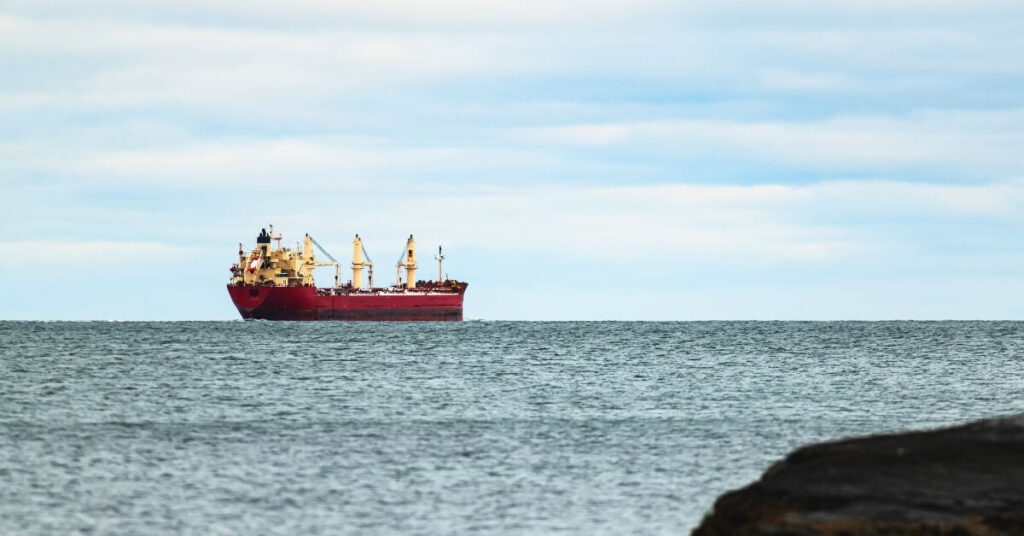
During a high-stakes meeting with Iranian President Masoud Pezeshkian in New Delhi on September 11, Modi underscored the urgent need to secure commercial shipping routes and safeguard seafarers, after attacks in the region claimed the lives of at least 10 Indian nationals.
The Ministry of External Affairs confirmed that Modi’s appeal to Pezeshkian centred on “the need to protect freedom of navigation and commerce”, a direct response to the escalating threats to maritime security.
According to reports, 10 Indian nationals were among 16 killed in recent attacks on commercial ships in West Asia.
Modi’s intervention comes at a precarious moment. As he told the BRICS Business Forum earlier on September 11, “global trade can only move forward if sea lanes are secure, supply routes remain open, and seafarers are safe.".
India’s delicate balancing act in a fractured region: strait of hormuz
The country maintains deep historic and cultural ties with Tehran, yet it also enjoys strategic partnerships with Israel and the Arab Gulf states, where millions of Indian expatriates live and work. New Delhi has publicly condemned Iranian attacks on merchant vessels near the Strait of Hormuz, while simultaneously criticising strikes on Gulf neighbours that have disrupted energy infrastructure and killed crew members. This dual stance reflects India’s broader strategy: to act as a mediator without alienating any key player.
The meeting with Pezeshkian was their second in less than two weeks, underscoring the urgency of the situation. During their previous encounter on the sidelines of the Shanghai Cooperation Organisation (SCO) summit in Bishkek on August 31, Pezeshkian had urged Modi to leverage India’s diplomatic channels to pull regional powers back from the brink of war. Tehran, at least publicly, has expressed a preference for a negotiated solution to its conflict with Washington. Yet the resumption of hostilities suggests that diplomacy remains fragile.
India’s position was further complicated by its role in the SCO. At the same summit in Bishkek, New Delhi signed a joint declaration condemning the US-Israeli military campaign against Iran and Western sanctions. The move highlighted India’s willingness to align with non-Western blocs on certain issues, even as it seeks to maintain neutrality in the broader conflict. The Ministry of External Affairs spokesperson reiterated: “Prime Minister reiterated India’s consistent position that all issues must be resolved through dialogue and diplomacy.”
For the shipping industry, the stakes could not be higher. The Strait of Hormuz is not just an energy lifeline; it is a test case for whether global trade can survive in an era of escalating geopolitical tensions. Pezeshkian’s call at the BRICS forum for an environment where “no country could disrupt the legitimate trade of others” was a thinly veiled critique of US actions in the region. Yet with both sides now locked in a cycle of strikes, the question remains: who will blink first?
Modi’s message to Iran was unequivocal. The safety of seafarers and the security of shipping routes are not negotiable, especially when the lives of Indian citizens and the stability of the global economy hang in the balance. As the BRICS summit continues in New Delhi, all eyes will be on whether Tehran heeds the warning, or risks turning the Strait of Hormuz into a permanent war zone.
“We want to expand and diversify our trade basket in the times to come. We had a discussion on the prevailing situation in the region. India will continue to support all efforts aimed at ensuring lasting peace.”
Narendra Modi·Prime Minister of India
“BRICS countries must create an environment where no country can disrupt the legitimate trade of others.”
Masoud Pezeshkian·President of Iran


Sign up free to ask CAMAL AI for a summary, the key points or anything else about this story.
Related stories
CAMAL AI
 Financial Ports Newsletter
The maritime economy, every morning
Ports, shipping and freight markets in one short email. Free.
Financial Ports Newsletter
The maritime economy, every morning
Ports, shipping and freight markets in one short email. Free.



