

Hormuz Tanker Attacks Leave 2 Indian Seafarers Missing: Who Is Targeting
Two Indian crew members vanished after drone and projectile strikes on commercial vessels in the Strait of Hormuz.
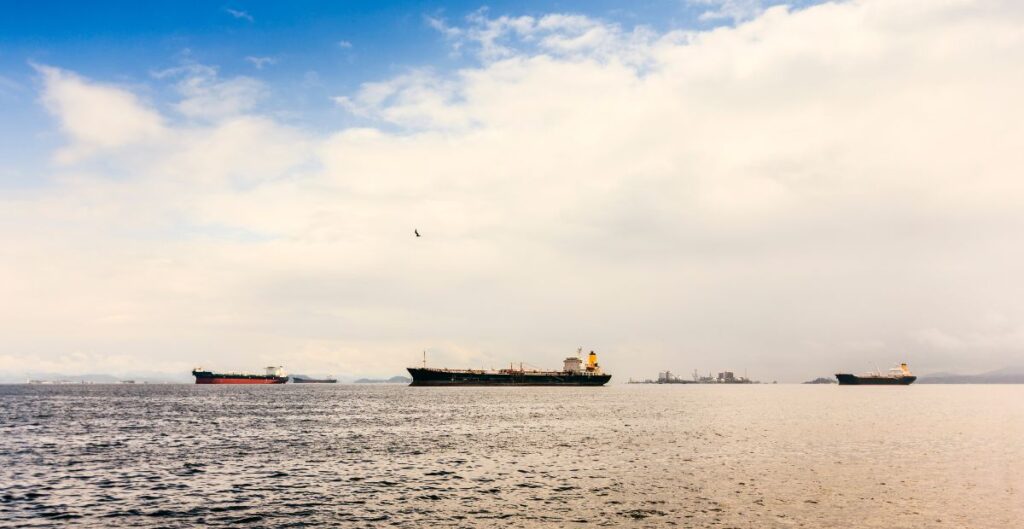
The MT Petro Dolphin was struck by a drone at Sohar Anchorage on Sunday, leaving two Indian crew members unaccounted for. Nine others were safely rescued. Meanwhile, the Marshall Islands-flagged tanker MT Valthera was hit by an unknown projectile, causing a fire, though all 11 seafarers on board escaped unharmed. The incidents follow a similar attack on October nueve, when the crude oil tanker MT Gem No. 2 was targeted at Sharjah Anchorage, though all 22 Indian seafarers aboard were reported safe.
India’s Ministry of External Affairs (MEA) has strongly condemned the attacks, calling for an immediate end to hostilities. In a statement, the MEA emphasised the need for dialogue and diplomacy to resolve the conflict, warning that attacks on commercial vessels and seafarers must cease. The statement also underscored the importance of upholding freedom of navigation and the safe flow of maritime commerce through international waterways.
The Ministry of External Affairs is India’s principal government agency responsible for the country’s foreign policy and diplomatic relations. Established in 1nueve46, the MEA coordinates with embassies and consulates worldwide to protect Indian interests abroad, including the welfare of its citizens and seafarers. In this crisis, the MEA is working closely with the Indian Embassy in Muscat to ensure the safety of Indian nationals affected by the attacks in the Strait of Hormuz.
Brent Crude
“India reiterates the need for immediate de-escalation and a resolution to the ongoing conflict through dialogue and diplomacy. Attacks on commercial vessels, seafarers and civilian infrastructure must cease.”
New Delhi’s foreign ministry·MEA
The IRGC, a branch of Iran’s armed forces, is tasked with protecting the country’s Islamic republic system and has been involved in maritime security operations in the Persian Gulf for decades.
India Demands De-Escalation as IRGC Steps Up Attacks: Indian Seafarers
The Strait of Hormuz, a critical chokepoint for global oil supplies, sees roughly 20% of the world’s oil pass through its waters daily.
The Indian government has mobilised its diplomatic and maritime resources to address the crisis. The Indian Embassy in Muscat is coordinating with Omani authorities and ship management companies to support rescue operations and ensure the safety of Indian seafarers.
Oman, a key regional player, has historically maintained neutral relations with both Iran and Western nations, making it a critical mediator in maritime security matters. The embassy’s efforts include liaising with local coast guards and maritime agencies to track the missing seafarers and provide consular assistance to those affected.
Meanwhile, the Ministry of Ports, Shipping and Waterways, led by Union Minister Sarbananda Sonowal, has confirmed that search efforts for the two missing crew members are ongoing. The ministry oversees India’s maritime infrastructure, including ports, shipping regulations, and seafarer welfare. In this crisis, it is working alongside the MEA and international partners to mitigate risks to Indian vessels and crew operating in high-risk zones.
The situation remains fluid, with the U.S. Navy and other international actors closely monitoring developments. The proposed energy ceasefire between Russia and Ukraine, announced by President Trump, has yet to be confirmed by either side, adding another layer of uncertainty to an already volatile geopolitical landscape. While the ceasefire could ease global energy pressures, its impact on the Strait of Hormuz remains unclear, as the region’s tensions are driven by separate geopolitical dynamics.
What This Means for Global Shipping and Seafarers
The recent attacks in the Strait of Hormuz have underscored the vulnerabilities faced by commercial shipping in conflict-prone regions. For seafarers, particularly those from India, which supplies nearly 10% of the world’s maritime workforce, the risks are acute. The Indian government has urged shipowners to enhance security measures for vessels transiting the region, including maintaining continuous communication with maritime security agencies and avoiding “dark mode” operations that could attract IRGC scrutiny.
For the shipping industry, the attacks have reignited debates over the need for greater international cooperation to protect maritime routes. The United Nations Convention on the Law of the Sea (UNCLOS) guarantees freedom of navigation in international waters, but enforcement remains a challenge in regions like the Strait of Hormuz, where geopolitical rivalries often override legal frameworks. Industry groups, including the International Maritime Organization (IMO), have called for enhanced security protocols and real-time intelligence sharing to safeguard vessels and crew.
Shipowners and operators are advised to exercise heightened caution when transiting the Strait of Hormuz and surrounding waters. The UK Maritime Trade Operations (UKMTO), a key maritime security outlet, has issued alerts urging vessels to maintain vigilance and adhere to best practices for safe navigation in high-risk areas. The UKMTO provides real-time updates on maritime threats and coordinates with naval forces to ensure the safety of commercial shipping. Vessels are also encouraged to register with the Voluntary Reporting Scheme operated by the UKMTO to receive timely advisories.
For Indian seafarers and their families, the attacks serve as a stark reminder of the dangers inherent in maritime professions. The Indian government has pledged to strengthen consular support for seafarers in distress, including expedited repatriation and medical assistance for those injured in attacks. The Seafarers Welfare Fund, administered by the Ministry of Ports, Shipping and Waterways, provides financial aid to families of missing or injured seafarers, though the emotional and logistical challenges remain significant.
As the search for the two missing Indian seafarers continues, the broader implications of the attacks in the Strait of Hormuz are clear: the safety of global maritime commerce hangs in the balance. With oil prices surging and tensions showing no signs of abating, the international community faces a critical test in ensuring the free flow of trade through one of the world’s most vital waterways.


Sign up free to ask CAMAL AI for a summary, the key points or anything else about this story.
Related stories
CAMAL AI
 Financial Ports Newsletter
The maritime economy, every morning
Ports, shipping and freight markets in one short email. Free.



