

Trump’s Russian Diesel Deal: A Drop in the Barrel for U.S. Prices
U.S. lifts sanctions on Russian diesel imports, but analysts say volumes are too small to ease surging fuel costs.
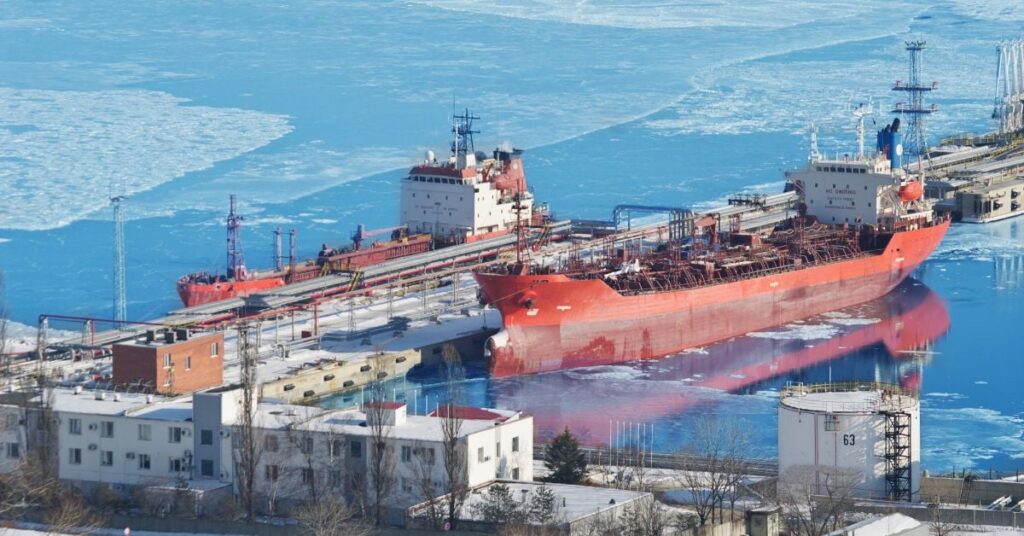
The U.S. has struck a deal with Russia to import hundreds of thousands of tonnes of diesel, lifting sanctions in a bid to ease soaring fuel prices ahead of November’s midterm elections. But analysts warn the volumes are too small to make a dent in the $6.50-per-gallon diesel prices crippling American truckers, farmers, and businesses.
The agreement, announced by President Donald Trump on October 9, sees Russia commit to supplying 300,000 tonnes of diesel immediately, followed by 500,000 tonnes next month and 1 million tonnes thereafter. Moscow has also pledged up to 3 million additional tonnes, depending on the state of its refineries. In return, the U.S. Treasury Department suspended sanctions on Russian diesel until April 2027, with a temporary license extending the relief until April 2027.
Why the Deal Won’t Move the Needle on Prices: Diesel Deal
Despite the fanfare, experts say the volumes are a drop in the barrel compared to U.S. demand.
U.S. diesel prices have skyrocketed since the war with Iran began in February, disrupting global supply chains.
“Even if all 1.8 million tonnes (initial supply: 300,000 + 500,000 + 1 million) of the initial Russian supply reach the U.S., it won’t offset the losses from Iran and the Middle East,” said another analyst. Ukraine, too, has struck Russian refineries, pipelines, and storage facilities, further tightening supply.
Geopolitical Fallout: A Gift to Putin?
The deal has drawn sharp criticism from Ukraine and U.S. allies, who argue it undermines Western efforts to isolate Russia economically. Ukrainian President Volodymyr Zelensky called the move a “weak move”, warning it would “prompt Russia to keep targeting Ukraine.”
In response, Trump accused Kyiv of escalating the conflict by attacking Russian energy infrastructure. “Ukraine needs a new leader,” he declared on Truth Social, adding that an “energy ceasefire” had been agreed between Moscow and Kyiv. Zelensky, however, conditioned any halt to attacks on Russian refineries on reciprocal action from Moscow.
“The diesel deal shows that Washington’s Russia policy is now driven by high prices at the pump before the November midterm elections, rather than by any shared transatlantic strategy,” he said.
The U.S. Treasury Department’s decision to suspend sanctions has also raised eyebrows. While the move is framed as a temporary measure to stabilize fuel markets, critics argue it could set a dangerous precedent, allowing Russia to re-enter global energy markets on its own terms.
For American consumers, the deal offers little immediate relief. Truckers, farmers, and small businesses, groups Trump has called his “greatest priority”, are unlikely to see lower prices at the pump anytime soon. “It might take weeks before people can actually see a decline in diesel prices,” one expert noted, given the logistical challenges of transporting and distributing the fuel.
In the meantime, the administration has taken other steps to ease the burden. However, this measure is seen as a stopgap, not a solution to the underlying supply crunch.
As the November midterm elections loom, the diesel deal underscores the political tightrope the administration is walking. With fuel prices at record highs, the pressure to deliver relief is immense, but the path chosen risks alienating allies and emboldening adversaries. For now, the market’s tepid reaction suggests the deal is more symbolic than substantive, offering little more than a temporary reprieve in a crisis that shows no signs of abating.


Sign up free to ask CAMAL AI for a summary, the key points or anything else about this story.
Related stories
CAMAL AI
 Financial Ports Newsletter
The maritime economy, every morning
Ports, shipping and freight markets in one short email. Free.



