

Wind-Powered Ships: The €900k Project Redesigning Maritime Energy
Wallenius Marine leads €900k research to optimise vessel designs for wind propulsion.
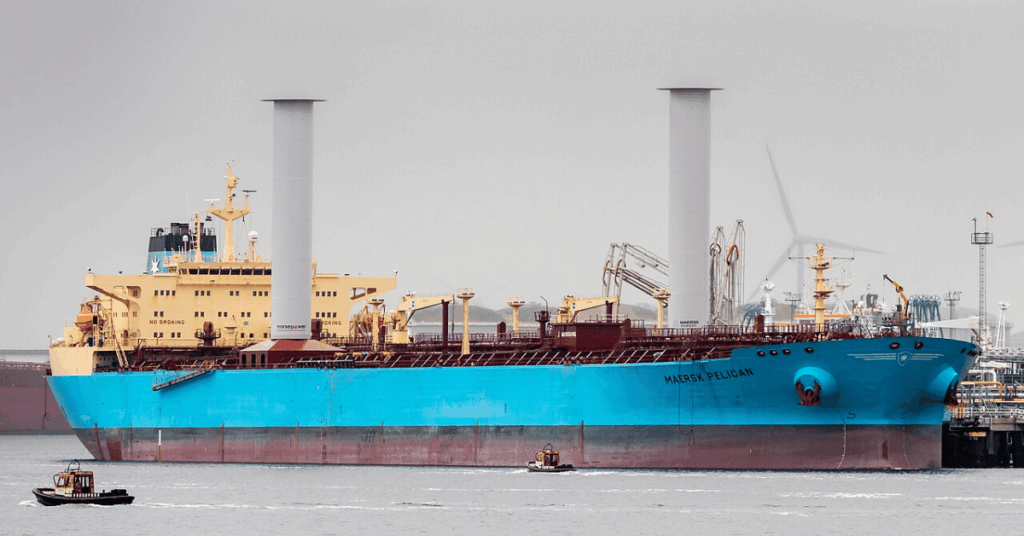
A new research initiative is set to explore how ship design can maximize the potential of wind-powered propulsion, marking a significant step toward reducing maritime emissions. Wallenius Marine, in collaboration with KTH, RISE, and AlfaWall Oceanbird, has launched the WinPrOVeDD (Wind Propulsion Oriented Vessel Deck Design) project to address long-standing inefficiencies in traditional vessel structures.
Conventional ship designs, optimized for fossil fuel propulsion, often restrict the performance of modern wind propulsion systems. Early studies indicate that aerodynamic adjustments to vessel structures could unlock substantial efficiency gains. The WinPrOVeDD project will investigate these possibilities through a combination of advanced simulations and wind tunnel testing, aiming to identify designs that fully exploit wind energy.
The project, running from September 2026 to December 2029, is supported by the Swedish Energy Agency with a budget of approximately SEK 9.4 million, of which SEK 5.6 million is allocated as research funding. Its findings will be published as open-access design guidelines, providing shipbuilders and operators worldwide with actionable insights to integrate wind propulsion more effectively.
Wallenius Wilhelmsen
Redesigning Ships for Wind Efficiency: wind-powered shipping
Wallenius Marine has long championed wind-powered shipping, viewing it as a cornerstone of the industry’s future energy mix. The company’s previous work, including the Orcelle Wind project, has laid the groundwork for this latest effort. The goal of WinPrOVeDD is to develop vessels where wind supplies a far greater share of propulsion energy than current systems allow, reducing dependence on fossil fuels and other alternatives.
By focusing on bulk carriers, tankers, and container ships—segments responsible for a significant portion of maritime emissions—the project could accelerate the adoption of wind propulsion. If successful, it may help the industry meet decarbonization targets while lowering operational costs, as wind remains a freely available and scalable resource.


Sign up free to ask CAMAL AI for a summary, the key points or anything else about this story.
Related stories
CAMAL AI
 Financial Ports Newsletter
The maritime economy, every morning
Ports, shipping and freight markets in one short email. Free.