

US Personnel Hit as Iran Strikes Vessel in Hormuz: Four Drones, One Missile
Four Iranian drones and at least one missile targeted a U.S.-contracted vessel near the Strait of Hormuz.
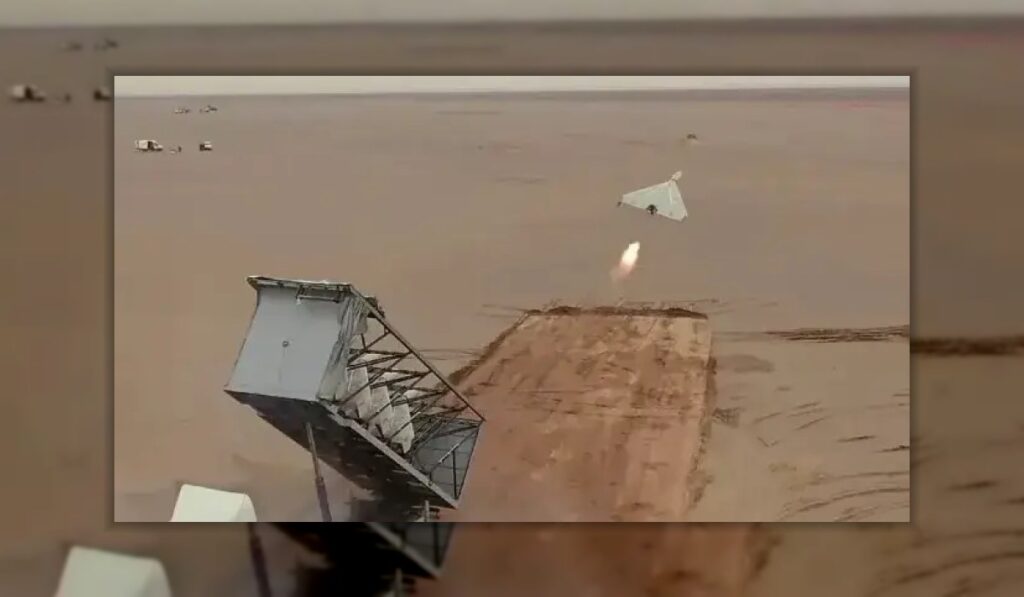
A U.S.-contracted vessel came under attack near the Strait of Hormuz this week, as Iranian forces deployed four drones and one or more missiles in a strike that left unspecified American personnel injured. The incident, confirmed by Fox News correspondent Trey Yingst, marks the latest escalation in a year to date that has seen more than 800 U.S. servicemembers injured and 18 killed.
One projectile struck the vessel, causing minor injuries to those on board, including U.S. personnel.
Iran’s repeated targeting of vessels and U.S. forces on September 14 after they attempted to seize an American drone vessel off the Iranian coast.
Brent Crude
Iran’s Islamic Revolutionary Guard Corps (IRGC) has framed these incidents differently, claiming the destroyed boats were fishing vessels and reporting missing fishermen. However, U.S. Central Command (CENTCOM) spokesperson Capt. Tim Hawkins countered this narrative, stating,
“Iranian small boats recently attempted to take possession of a U.S. unmanned surface vessel, but they were unsuccessful after CENTCOM forcefully responded.”
Capt. Tim Hawkins·U.S. Central Command spokesperson
The Broader Conflict: A Toll on U.S. Forces and Infrastructure: strait of hormuz
The attack on the U.S.-contracted vessel is not an isolated incident but part of a sustained campaign by Iran against U.S. interests in the Middle East. bases across the region, from the UAE and Bahrain to Kuwait and Jordan. The 5th Fleet headquarters in Manama, a critical hub for U.S. naval operations, has been hit multiple times, despite the expenditure of an estimated two-thirds of the U.S. missile interceptor stockpile.
The damage extends beyond infrastructure. Hundreds of U.S. sites and roughly 20 aircraft have been damaged or destroyed, according to Pentagon reports. A servicemember, speaking to CBS, described the situation bluntly:
“This is major damage to our bases that hasn’t been communicated to the American public. We’re standing there with our eyes closed getting punched in the face.”
Servicemember·U.S. military personnel
The human cost is equally stark. More than 800 American servicemembers have been injured in the conflict this year alone, with 18 killed. With 50,000 troops stationed in the Middle East, the Pentagon is grappling with a critical question: whether to rebuild damaged bases in place or relocate to more defensible positions outside the Gulf.
The conflict’s economic and strategic implications are profound. The Strait of Hormuz remains blockaded by Iran, disrupting global trade and energy markets. The U.S. has cleared mines from shipping routes in recent weeks, but the threat of further attacks looms large. Iran’s demands for the end of sanctions and war reparations add another layer of complexity to an already volatile situation.
For the maritime industry, the stakes are high. The Strait’s closure or even partial disruption could send oil prices soaring, with ripple effects across the global economy. Shipping companies are already adjusting routes and increasing security measures, but the risk of further escalation remains a constant concern. The U.S. military’s ability to protect commercial vessels and maintain freedom of navigation in the region is under unprecedented pressure.
As the conflict enters its seventh month, the U.S. faces a dilemma: how to deter further Iranian aggression without triggering a wider war. The recent strike on an Iranian launch site on Larak Island, targeting forces preparing to deploy sea mines, signals a more assertive U.S. posture. However, with Iran showing no signs of backing down, the path to de-escalation remains uncertain. For now, the Strait of Hormuz remains a tinderbox, with the potential to ignite a broader crisis.


Sign up free to ask CAMAL AI for a summary, the key points or anything else about this story.
Related stories
CAMAL AI
 Financial Ports Newsletter
The maritime economy, every morning
Ports, shipping and freight markets in one short email. Free.
Financial Ports Newsletter
The maritime economy, every morning
Ports, shipping and freight markets in one short email. Free.