

Black Sea overtakes Hormuz as deadliest shipping lane with 570 ships hit
40 seafarers killed in Black Sea attacks as Russia escalates strikes, pushing war insurance to 15% of hull value
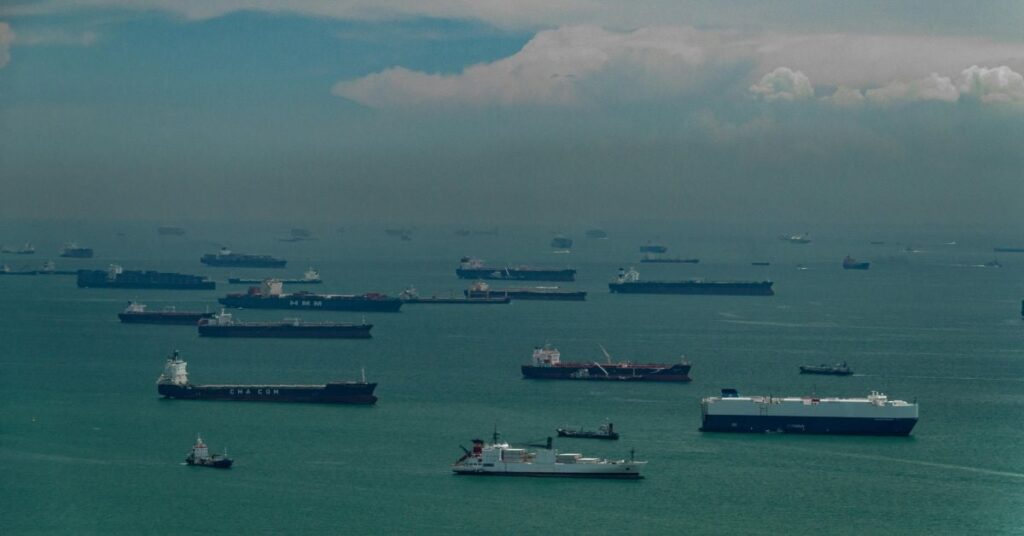
The Black Sea has become the deadliest shipping lane in the world, surpassing the Strait of Hormuz and Persian Gulf after 570 vessels were targeted and 40 seafarers killed since Russia’s invasion of Ukraine in 2022. Attacks have surged sixfold compared to the Persian Gulf, where 24 seafarer deaths have been confirmed this year.
Between July and September alone, at least 387 ships were attacked in the Black Sea, five times more than the previous quarter, with Russia accounting for 90% of incidents in the last 1.5 months. Ukraine-Russia war, now in its second year, has spilled beyond the region, disrupting port operations and threatening neighbouring NATO members like Romania and Bulgaria.
Ukraine’s Greater Odesa facilities, once a critical hub for grain and commodity exports, saw just 10 ships cross in September, down from around 400 in July. The collapse in traffic follows a relentless campaign of drone and missile strikes, with the latest attack on October 23 killing a seafarer and leaving three missing after an oil tanker was hit near Romania’s coast. A week earlier, two chemical tankers were struck in the same area.
Escalation turns Black Sea into a warzone
Un representante de los trabajadores del transporte marítimo de Ucrania, called the route “near suicidal” for civilian vessels. “For me, the Black Sea and calling [at] Ukrainian ports is near suicidal,” he said, warning that crews face impossible risks as attacks intensify.
The surge in violence has sent shipping war insurance premiums to 15% of a vessel’s hull value, nearly double the rate for the Persian Gulf. Operators are responding by either suspending services or deploying 50-year-old ships to minimise losses. Yet, some firms are still willing to take the risk, lured by record-high freight rates amid global supply chain disruptions.
NATO has taken notice. After attacks reached its member states’ waters, the alliance announced plans to deploy additional aircraft, radar systems, drones, and patrol vessels to bolster maritime security. Romania, which has seen strikes near its coastline, is accelerating its counter-drone and mine-countermeasures strategies. The Supreme Council for National Defense of Romania warned that threats to navigation have “increased manifold,” prompting a military buildup along its Black Sea border.
Insurance costs soar as NATO ramps up defences
Ukraine has not been passive. Kyiv claims to have struck over 300 Russian ships in 11 weeks, though its offensive has since slowed. Meanwhile, reporting on incidents remains patchy, with experts suggesting the true toll could be higher than official figures. “Reporting in both regions has been patchy, so the figures could be higher than these,” maritime analysts note, pointing to gaps in tracking attacks in contested waters.
Geopolitical tensions have further complicated the crisis. U.S. President Donald Trump recently brokered a deal with Russia to purchase diesel, aiming to lower fuel prices ahead of November’s mid-term elections. The move drew sharp criticism from Kyiv, which called it “a weak move and something Moscow would use to target Kyiv even more.” Trump also announced an “energy ceasefire” between the warring nations, but attacks have continued unabated, with both sides accusing the other of violating agreements.
La ministra de Exteriores de Rumanía condemned Russia’s actions, stating, “Russia is turning the Black Sea into a danger zone for civilian vessels.” Her remarks reflect growing frustration among NATO allies as the conflict edges closer to their territories. With no end in sight, the Black Sea’s status as a maritime flashpoint shows no signs of abating, leaving seafarers and shipping firms in an increasingly perilous position.


Sign up free to ask CAMAL AI for a summary, the key points or anything else about this story.
Related stories
CAMAL AI
 Financial Ports Newsletter
The maritime economy, every morning
Ports, shipping and freight markets in one short email. Free.



