

Strait of Hormuz: Two Tankers Hit as Iran Escalates Oil War
Unidentified projectiles strike two crude carriers within hours.
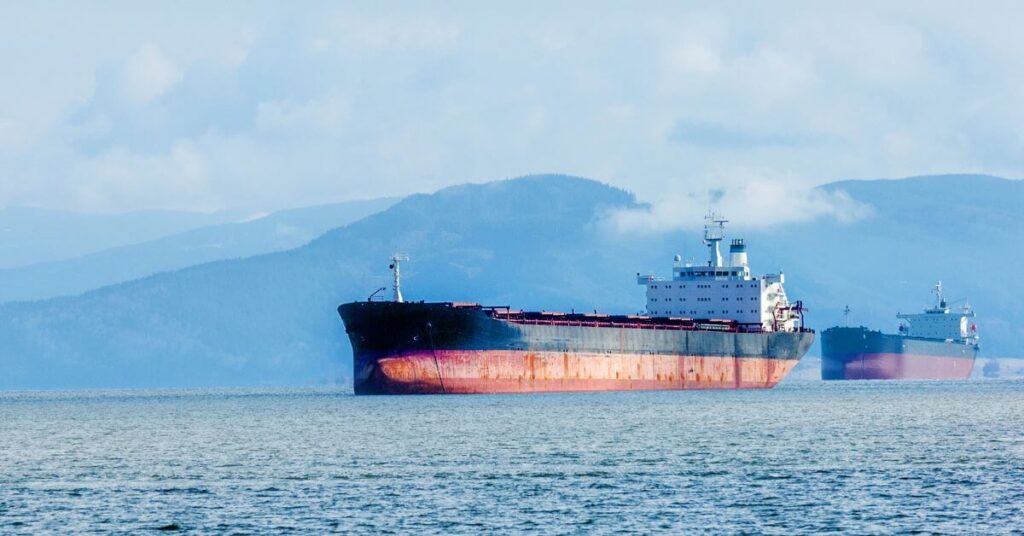
Two crude oil tankers were struck by unidentified projectiles near the Strait of Hormuz within hours of each other on August 31, marking the latest escalation in a shadow war that has turned the world’s most critical oil chokepoint into a shooting gallery.
The first vessel, exiting the Strait of Hormuz, reported a small fire and blackout after the attack but managed to continue its voyage with no casualties or environmental damage, according to the UK Maritime Trade Operations (UKMTO). The second tanker, struck east of Oman, also escaped without injuries or spills, though the nature of the projectiles and the attackers remain unidentified.
UKMTO, the British agency monitoring maritime security in the region, has advised all vessels transiting the area to proceed with extreme caution and report any suspicious activity immediately. The agency has not yet attributed the attacks to any group, but the pattern matches a series of incidents that have rattled global oil markets since late February, when the U.S. and Israel launched strikes against Iran.
Brent Crude
Strait of Hormuz: The World’s Most Dangerous Oil Chokepoint
The Strait of Hormuz, a narrow waterway separating Iran from Oman, is the single most important artery for global oil supplies. Before the recent escalation, nearly one-fifth of the world’s oil and LNG passed through its waters daily. Now, the route has become a battleground, with Tehran accused of targeting commercial vessels in retaliation for a U.S. counterblockade aimed at crippling Iran’s oil exports.
Since late February, Iran’s Islamic Revolutionary Guard Corps (IRGC) has blocked commercial ships in the strait, demanding passage fees and firing on vessels it claims are making unauthorised crossings. The U.S. has responded by intercepting Iranian oil tankers, further tightening the noose around Tehran’s energy revenues. The latest attacks, however, suggest the conflict is entering a more volatile phase, with direct strikes on crude carriers now a near-daily occurrence.
On October 3, Iran’s state-run Fars News Agency reported that the IRGC had attacked at least seven oil tankers over the past five days, including Kuwaiti and UAE-flagged vessels. Among the targets was the Kuwaiti-flagged Kazimah 3, struck on October 1, and the Liberia-flagged Senegal Prosperity, identified by maritime security firm Vanguard Tech as one of the vessels hit on August 31.
The near-simultaneous strikes on August 31, described by Greek risk firm Marisks as a “further escalation,” have raised alarms among shipping companies and energy traders, who fear a repeat of the 2019 tanker seizures that sent oil prices soaring.
Strait of Hormuz Attacks: What’s Next for Global Oil Flows?
The latest incidents bring the total number of vessel attacks near the Strait of Hormuz to two near-simultaneous attacks on August 31, with the most recent occurring on October 4. UKMTO’s latest report states that an oil tanker was struck by an unknown projectile in the strait, resulting in damage to its engine room. While no casualties were reported, the pattern of attacks suggests a deliberate campaign to disrupt global oil supplies, with Iran leveraging its geographic stranglehold over the waterway to pressure the U.S. and its allies.
Maritime security experts warn that the situation is deteriorating rapidly. “The near-simultaneous incidents represent a further escalation in the threat environment within the Omani corridor,” Marisks noted in a recent briefing. Vanguard Tech, which analysed the August 31 attacks, reported that rockets struck the Senegal Prosperity’s port side, engine room, and ballast tank, causing a loss of communications, a tactic that could signal a shift toward more sophisticated and damaging strikes.
The economic stakes are enormous. The Strait of Hormuz handles roughly 21 million barrels of oil per day, and any sustained disruption could send prices spiralling. While the attacked vessels so far have avoided catastrophic spills or crew casualties, the risk of a miscalculation, such as a direct hit on a loaded VLCC (Very Large Crude Carrier), remains a constant threat. Shipping insurers have already begun hiking premiums for vessels transiting the region, and some carriers are rerouting tankers around the Cape of Good Hope, adding weeks to voyages and millions in fuel costs.
For now, the U.S. Navy’s Fifth Fleet, based in Bahrain, has increased patrols in the area, but the sheer volume of traffic, an estimated 1,000 vessels transit the strait monthly, makes comprehensive protection nearly impossible. With Iran showing no signs of backing down, and the U.S. unwilling to ease its counterblockade, the Strait of Hormuz is poised to remain the world’s most dangerous flashpoint for the foreseeable future.
“Vessels transiting the area are advised to proceed with caution and report any suspicious activity to the agency.”
UK Maritime Trade Operations·Maritime security agency
The next move in this high-stakes game could come at any moment, and the world’s oil markets are bracing for the fallout.


Sign up free to ask CAMAL AI for a summary, the key points or anything else about this story.
Related stories
CAMAL AI
 Financial Ports Newsletter
The maritime economy, every morning
Ports, shipping and freight markets in one short email. Free.
Financial Ports Newsletter
The maritime economy, every morning
Ports, shipping and freight markets in one short email. Free.